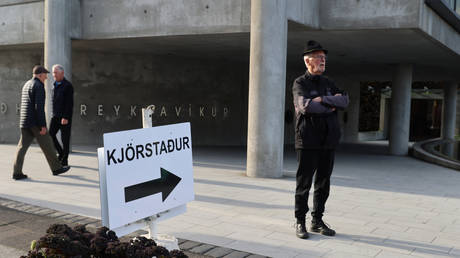
Icelanders went to the ballot boxes and made their stance crystal clear. Nearly 53% of voters rejected the idea of resuming European Union accession talks, putting a definitive end to years of speculation about the North Atlantic island nation joining the bloc. Previous negotiations froze over a decade ago. Now, they're dead in the water.
Voter turnout was massive. Over 225,000 citizens out of a population of roughly 394,000 showed up to vote. When the final tallies rolled in via public broadcaster RUV, 52.8% voted "no" to reopening talks, while 47.2% said "yes."
The country is deeply split. Reykjavik voted yes. Rural areas rejected Brussels by overwhelming margins.
The Core Conflict Over Sovereignty and Fish
Why did Iceland say no? It comes down to control.
If you talk to Euroskeptics in Reykjavik or out in the fishing villages, they'll tell you one thing straight away: fish is life. Iceland's economy relies heavily on its lucrative fishing grounds. Joining the EU means subjecting that vital industry to Brussels' notorious Common Fisheries Policy. For a nation that fiercely guards its maritime boundaries, handing quota management over to European bureaucrats is a non-starter.
Haraldur Olafsson, leader of the Heimssyn movement, summed up the prevailing local sentiment ahead of the vote. He pointed out that the EU wants to govern the country and set the law, representing a direct threat to national sovereignty.
Pro-EU voices tried to frame integration as an economic safety net. They argued that closer ties could bring currency stability and give Iceland a seat at the table when rules are written. But the argument didn't land. Voters preferred independence over regulatory alignment.
Geopolitical Pressures and Timing
Prime Minister Kristrun Frostadottir faced a tense political landscape. She originally promised a referendum by 2027. She moved it up. Why? Shifting geopolitical pressures forced her hand.
Oddly enough, Washington played a quiet backdrop role in this European debate. Recent comments from US figures—including playful or bizarre suggestions about territory—reminded Icelanders of their unique strategic position. As a founding member of NATO, Iceland maintains deep military ties with the United States.
Pro-EU factions tried to pitch Brussels as an extra layer of protection. Opponents fired back that the EU is becoming increasingly militarized and interventionist. At the end of the day, Icelanders chose to stick with what they know. They're happy managing their own backyard without taking orders from continental Europe.
What This Means Moving Forward
The debate is over for the foreseeable future. Iceland isn't changing its mind anytime soon.
If you're watching European politics, take note. The bloc is finding it tough to pitch itself as an attractive destination for independent nations with robust, resource-based economies. Brussels has plenty of internal fires to put out. Iceland prefers to stay out of the smoke entirely.
Accept the result and move on. The North Atlantic stays fiercely independent.