High fuel prices aren't just an inconvenience for commuters. They are a quiet tax on everything you buy, eat, and use every single day. When the International Energy Agency announces it's rushing emergency barrels out the door, it sounds like an instant fix. It isn't.
The IEA just confirmed that member countries will accelerate the release of 20 million barrels of diesel as soon as possible. This move comes on the heels of a massive 400-million-barrel emergency reserve drawdown launched earlier this year following severe disruptions in the Middle East. Exports through the Strait of Hormuz are moving again, but they are taking longer, riskier, and more expensive routes.
Diesel is the lifeblood of the global economy. Yet, most people completely misunderstand why this fuel dictates everyday inflation.
The Hidden Cost of Diesel Tightness
You might not pump diesel into your sedan. That doesn't mean you're safe from soaring prices.
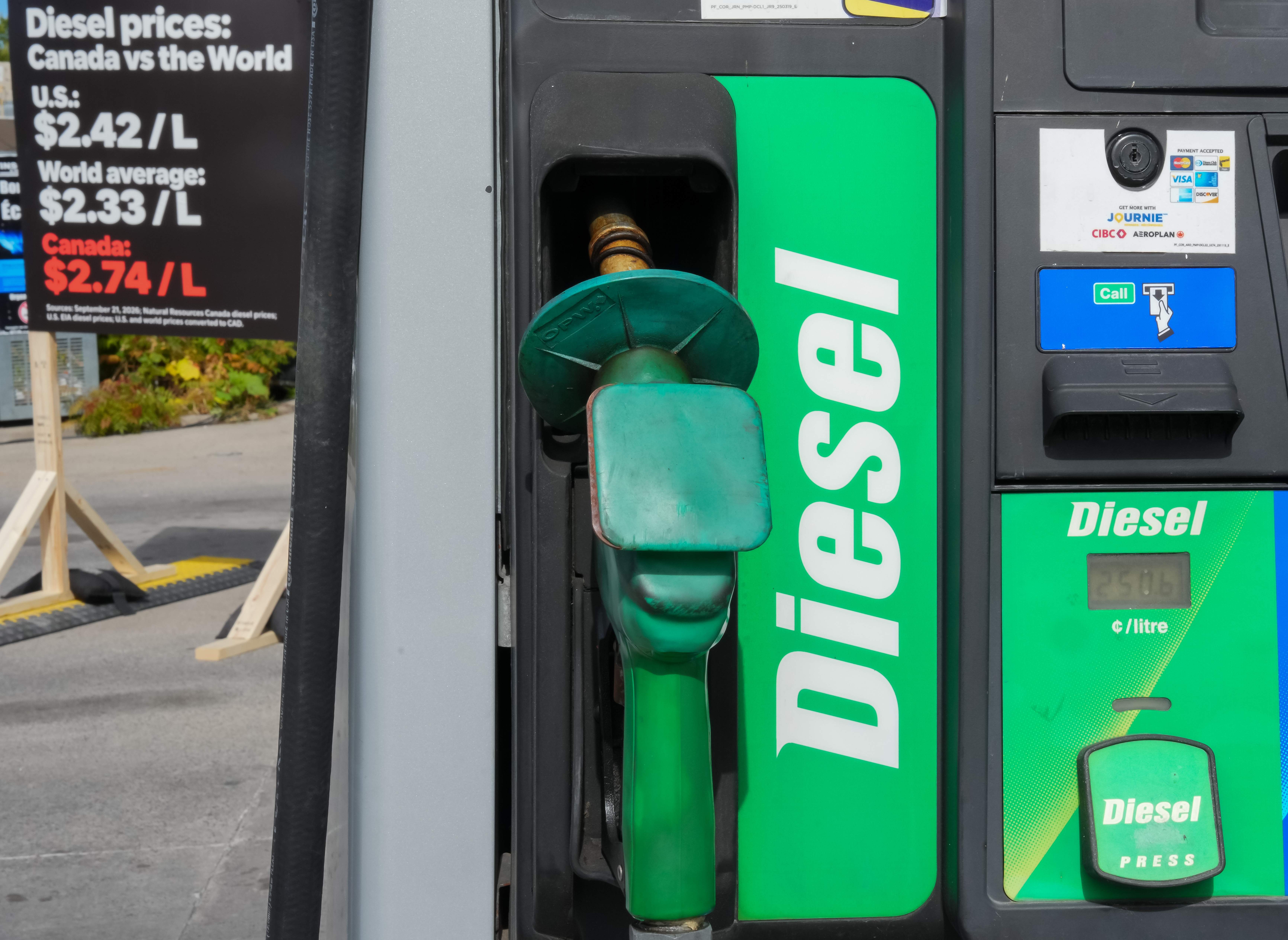
Almost every good on store shelves relies on heavy trucks, freight trains, agricultural machinery, and cargo ships running on diesel. When wholesale diesel prices hit record highs around $220 a barrel in Europe and the United States, logistics companies pass those costs down the chain.
Economics textbooks teach you that supply and demand balance out neatly. Real-world commodities don't work that way. Global diesel exports are sitting roughly 700,000 barrels per day lower than they were a year ago. Refineries are struggling to adapt. Producers are facing constraints that a simple emergency stock injection won't clear up overnight.
TD Bank economist Marc Ercolao pointed out that oil markets are still far from functioning normally. Crude oil is moving through complex, less transparent shipping lanes. Insurance premiums have skyrocketed. Freight costs have jumped.
Twenty million barrels sounds like an ocean of fuel. In reality, it is a drop in a very large, thirsty bucket.
Why Emergency Releases Have Limits
Governments love emergency reserve releases because they send a psychological signal to the markets. They scream that help is on the way. Traders often panic-buy less when they think state stockpiles will cap runaway spikes.
History shows these fixes are temporary bandages.
- Strategic reserves buy time, but they don't build new refineries.
- They patch supply holes, but they don't fix broken geopolitical shipping channels.
- They calm spot prices momentarily, but structural deficits remain untouched.
The Middle East conflict created the largest supply disruption in history for the global oil market. Jet fuel and diesel are the most vulnerable parts of that disruption. Refineries simply lack the flexibility to pump out more middle distillates on short notice.
What This Means for Your Wallet
If you are running a small business, managing transport, or just trying to keep your household budget afloat against stubborn inflation, don't expect immediate relief at the register.
Prices might tick down slightly from their historic peaks as the IEA's 20 million barrels hit the market. Logistics operators will catch a brief breather. But the underlying pressure on fuel costs is here to stay for a while.
Ignore the optimistic headlines. Plan your logistics, manage your inventory tighter, and prepare for persistent energy volatility through the rest of the year.