The ivory trade didn't disappear when China slammed the door shut in 2017. It just changed address. While international headlines applaud progress, the reality on the ground—specifically along the border between Vietnam and China—tells a much darker story. Smuggling isn't slowing down. It’s professionalizing.
I’ve followed wildlife trafficking for years, and the shifting dynamics are exhausting. When one market closes, criminal syndicates don't retire. They pivot. Vietnam has effectively become the world’s primary transit and processing hub for illicit ivory, serving as a back door to the massive demand still simmering in East Asia.
The New Hub of Trafficking
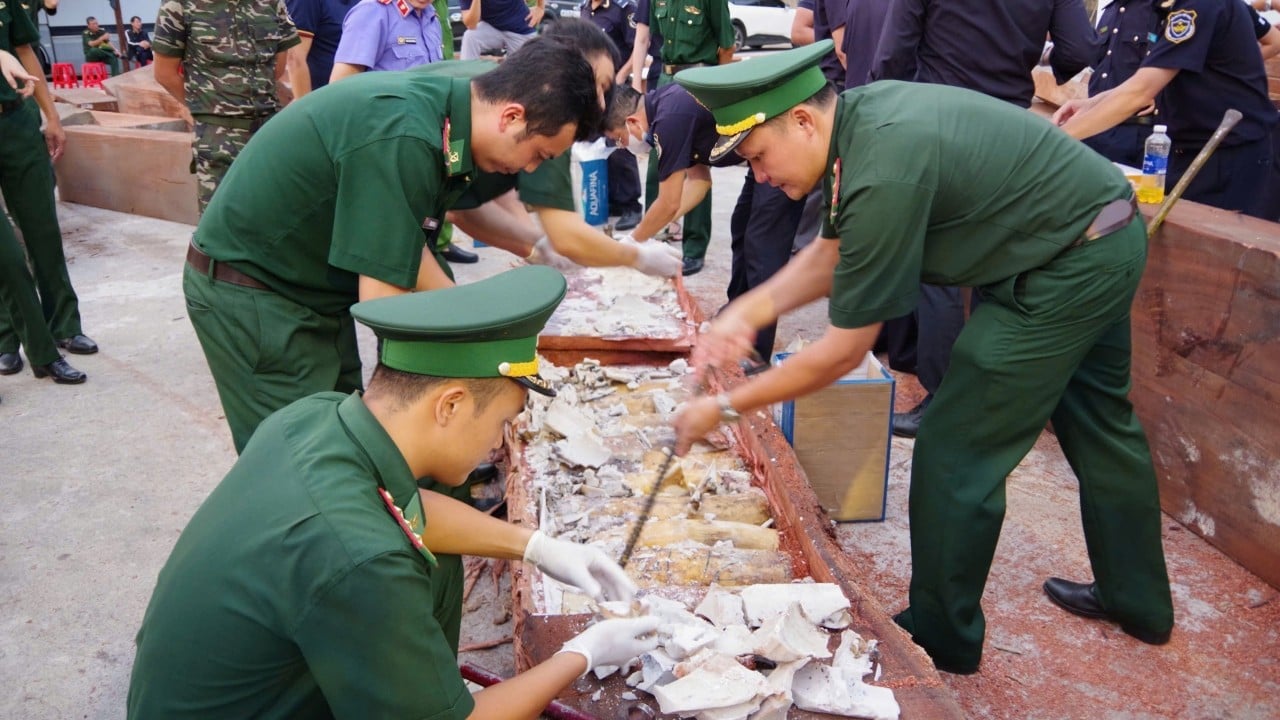
Vietnam isn't just a destination anymore. It’s a conveyor belt. Earlier this month, in August 2026, Vietnamese authorities intercepted a massive shipment at Quy Nhon Port. We’re talking about 1.2 metric tons of elephant ivory and big cat bones. This wasn't a desperate act by a small-time poacher; it was a sophisticated, large-scale industrial operation. The contraband was hidden inside reinforced timber crates and sealed in wax to evade scanners.
This seizure highlights the core issue: the traffickers are getting better at playing the game. They use legitimate shipping routes, mislabel cargo, and exploit ports with high volumes of traffic where thorough inspection is impossible. When they get caught, it’s usually because of a scanner glitch or a tip-off, not because the system is designed to stop them.
Why Bans Often Fail
Policy-making is easy. Enforcement is a nightmare. China’s ban was a landmark moment for conservation, but it created an unintended "vacuum" that Vietnam was uniquely positioned to fill.
The Loophole Problem
Vietnam’s domestic laws have historically been riddled with inconsistencies. Traders often exploit a specific carve-out for antiques, claiming that new, blood-stained ivory is actually "pre-1992 stock." It's a convenient lie that law enforcement finds nearly impossible to disprove without expensive, time-consuming forensic testing on every single item.
The Rise of Transnational Syndicates
These aren't just local thugs. They’re part of highly organized, global criminal networks that handle everything from drugs to human trafficking. They treat ivory like any other commodity. If a container of timber can carry ivory, they'll pack it. They’re resilient, adaptable, and—most importantly—they have the capital to bribe their way through weak spots in the supply chain.
What Real Change Looks Like
If you’re looking for a quick fix, stop. There isn't one. The trade persists because the profit margins are staggering and the risks are often manageable for those at the top of the food chain. If we want to move past the status quo, we need to stop focusing on the street-level vendors and start cutting off the heads of these syndicates.
- Forensics over optics: We need faster DNA testing of seizures. Knowing exactly where a tusk originated helps authorities map the poaching hotspots in Africa and identify the specific middlemen responsible.
- Port-level accountability: Scanning technology exists, but it’s only as effective as the person watching the monitor. Investing in training and anti-corruption measures at key transit ports in Southeast Asia is more impactful than any high-level summit.
- Removing the "Antique" mask: Governments need to eliminate the ambiguity in legislation. Either ban the trade entirely or implement a strict, digital-led registration system that makes faking the age of an ivory product impossible.
The illicit ivory trade is a game of shifting borders and evolving tactics. As long as traffickers see high demand and low personal risk, they’ll keep finding new ways to move their product. It's time we stopped playing defense and started targeting the infrastructure that makes this slaughter possible. The silence of the forest is the true cost of our current inaction.


