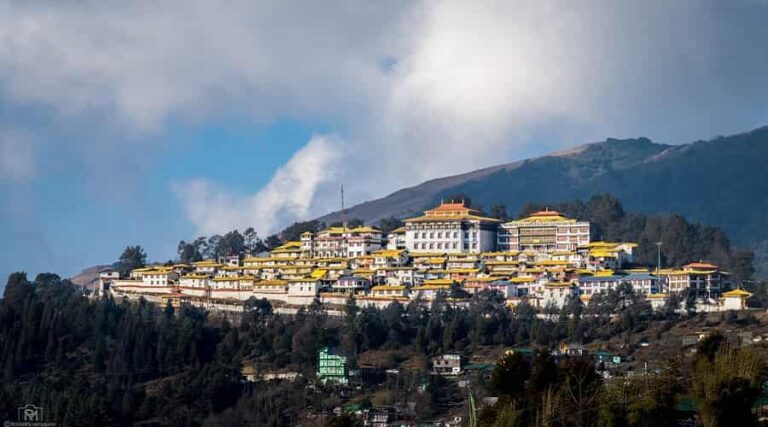
Geography sends messages. Sometimes, those messages are loud, deliberate, and impossible to ignore. New Delhi just made a definitive statement by choosing Tawang in Arunachal Pradesh as the venue for the upcoming 14th International Tourism Mart, slated for late October.
This decision does more than showcase Himalayan vistas. It places an assertive diplomatic flag right in the middle of a contested frontier zone. And in a twist that turns standard diplomatic protocol into a strategic chess move, China is among the countries invited.
The Diplomatic Weight of Tawang
If you look at a map, Tawang sits high in the Himalayas of Arunachal Pradesh, nestled near the Line of Actual Control. Beijing regularly claims this entire region, calling it Zangnan or South Tibet, and historically objects whenever Indian leaders or international figures visit the area.
By taking the International Tourism Mart to Tawang, the Ministry of Tourism—working alongside the Arunachal Pradesh government—is doing something very specific. They are normalizing normal civilian governance, economic development, and international events in a sensitive border sector.
You cannot claim a region is disputed and off-limits while simultaneously hosting global delegates, tour operators, and media right at its doorstep. That is the subtext of this entire gathering. India is saying loud and clear that Tawang is fully integrated, accessible, and open for business.
Inviting Beijing to the Table
Inviting Chinese delegates to a tourism summit hosted in a territory Beijing claims might sound counterintuitive. But it is a classic diplomatic maneuver. Official government representatives from China rarely show up to these specific regional tourism marts, though private tour operators have occasionally trickled in during past editions.
By extending the invitation, New Delhi follows standard multilateral protocol while boxing Beijing into a corner. If Chinese officials accept, they implicitly engage with an event hosted deep inside Arunachal Pradesh under Indian authority. If they decline or stay away, they expose the rigidity of their own territorial posturing while India showcases the region to the rest of the world.
It is a win-win for Indian diplomacy. Either way, the spotlight stays firmly on Tawang.
Beyond Border Politics
Strip away the geopolitical friction, and the event has a heavy economic mission. Scheduled from October 29 to 31, the 14th edition of the International Tourism Mart aims to inject capital and attention into India's northeastern states.
For too long, the northeast remained isolated from mainstream tourism circuits due to infrastructure hurdles and outdated perceptions. Events like this change the narrative. Delegates, investors, and travel trade representatives are set to tour iconic regional spots, including the historic Tawang Monastery, the serene Buddha Park, Panga Teng Tso lake, and Shernup village.
The goal is simple: turn breathtaking landscapes and rich Monpa culture into sustainable economic engines. Local homestays, adventure tourism operators, and handicraft artisans stand to gain real revenue if international buyers take notice.
What Happens Next
Preparations are already underway, with preliminary coordination meetings held at the Tawang Circuit House to nail down logistics for the five-day program involving union and state ministers.
Whether Chinese delegates ultimately show up matters less than the fact that the tents are being pitched and the invitations are out. Tawang is stepping onto the global stage on India's terms. Watch how Beijing reacts as October 29 approaches, because this tourism meet is about a lot more than vacation spots.