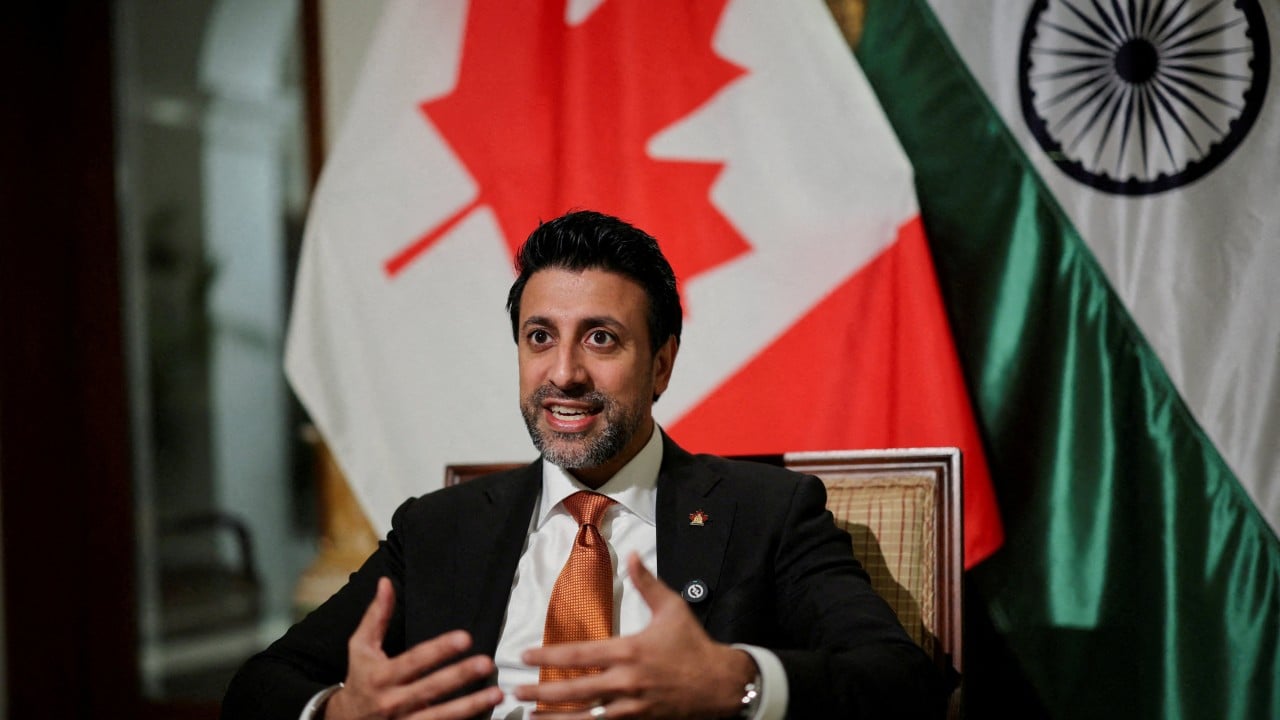
Trade corridors rarely shift overnight, but the current economic velocity between New Delhi and Moscow tells an unmistakable story. Bilateral trade hit thirty-eight billion dollars in the first six months of the year. That single data point, shared by Indian Ambassador Vinay Kumar during the India-Russia Business Forum in Kazan, proves that the ambitious goal of reaching one hundred billion dollars by 2030 isn't just diplomatic optimism. It's happening on the ground.
If you watch global economic shifts, you know that numbers like these don't appear out of thin air. They reflect structural changes in energy sourcing, agricultural exports, and a surprisingly dynamic labor market that few mainstream commentators talk about.
Beyond Oil and Fertilizers
Most people assume energy imports form the entirety of the bilateral economic ledger. Crude oil and vital agricultural fertilizers certainly anchor the baseline volume, but the real momentum lies in diversification. Indian pharmaceutical companies continue expanding their footprint across Russian provinces, while heavy engineering and technology sectors look for new avenues of cooperation.
Let's look at what's driving this growth. Tatarstan and the broader Kazan region are experiencing rapid industrial expansion. Local manufacturing and infrastructure projects face distinct workforce shortages. Over the past two years, skilled Indian professionals and workers have filled a noticeable portion of those regional staffing quotas, securing roughly twenty-four to twenty-five percent of the foreign worker allocations in the area.
This isn't merely about buying and selling commodities. It's about deep-seated economic integration that adapts to real-world labor demands and supply chain realities.
The Mechanics of Reaching One Hundred Billion
Hitting one hundred billion dollars in bilateral commerce by 2030 requires serious logistical choreography. Traditional settlement mechanisms faced massive bottlenecks when international financial sanctions disrupted standard banking channels. Yet, both nations adapted by expanding local currency settlement frameworks, bypassing western financial intermediaries, and stabilizing shipping routes.
When you examine the current trajectory, the math becomes straightforward:
- Energy trade sustains the high baseline value.
- Fertilizer imports protect domestic agricultural stability in India.
- Expanding professional mobility adds a human capital dimension that keeps regional economies humming.
Critics often point out trade imbalances, questioning whether exports from New Delhi can match the immense monetary value of Russian energy imports. That's a fair concern. Closing that gap means Indian manufacturers need deeper market penetration in consumer goods, IT services, and machinery. The ongoing business forums in Kazan aim precisely at removing those friction points, connecting small and medium enterprises from both countries directly with local buyers.
What This Means for Global Markets
Geopolitics dictates headlines, but commerce dictates survival. While western capitals scrutinize every transaction, economic pragmatism rules the day in Eurasia. India secures stable energy supplies to power its domestic industrial boom, while Russia finds reliable, long-term non-western partners to maintain its industrial base.
If you are tracking international business trends, pay close attention to how these alternative financial corridors evolve. They are setting a blueprint for how major emerging economies trade outside traditional western monetary plumbing. The hundred-billion-dollar milestone by 2030 isn't a distant fantasy anymore. It's a calculated destination, and every monthly trade report brings it closer to reality.