European trade barriers just hit a massive speed bump, and Indian steel mills are cashing in. New Delhi has locked down a tariff-rate quota enabling up to 2.8 million tonnes of annual steel exports to the European Union.
If you're tracking international manufacturing or heavy industry, this development matters. It protects over eighty percent of India's usual steel shipments to the twenty-seven-nation bloc. Last fiscal year, India sold about 3 million tonnes of steel goods into Europe. Losing that market would have crippled domestic producers. Instead, aggressive diplomacy frontloaded key trade benefits before the formal ink even dries on the broader free trade agreement.
Breaking Down the Numbers
The structure of this deal is nuanced. India received a guaranteed, country-specific quota of 1.9 million tonnes annually. Commerce ministry officials confirm that domestic exporters can realistically pull another 0.9 million tonnes out of residual quotas, bringing the total ceiling to 2.8 million tonnes.
These shipments enter the European market completely duty-free. That is a massive advantage given that the EU's Steel Overcapacity Regulation—which kicked off on July 1—slaps a punishing 50 percent tariff on out-of-quota imports.
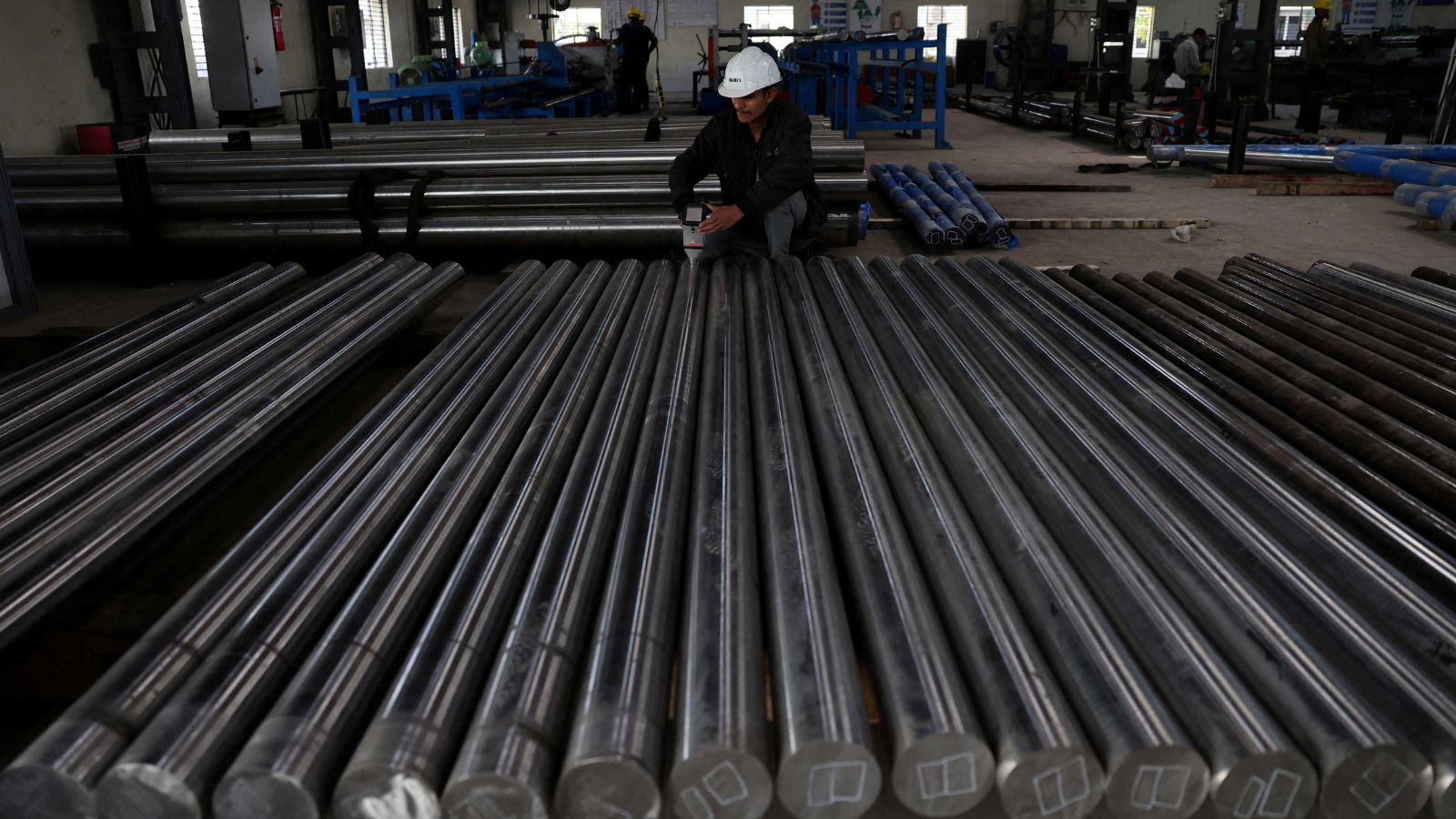
The quota spans a wide range of industrial products:
- Non-alloy and alloy hot-rolled sheets and strips
- Cold-rolled sheets and metallic-coated variations
- Stainless steel goods, pipes, and tubes
- Rebars, wire rods, and merchant bars
Exporters didn't wait around for paperwork. Because negotiators frontloaded the agreement, Indian mills started dispatching steel under these exemptions the moment the EU regulation went live.
The Catch With Carbon Taxes
Duty-free doesn't mean cost-free. You cannot talk about European trade without addressing the elephant in the room: the Carbon Border Adjustment Mechanism, better known as CBAM.
Even with a secured quota, Indian steel faces heavy carbon scrutiny. Industry think tanks estimate that fully phased-in carbon charges could average around 35 percent.
This creates a brutal compliance reality for local manufacturers. Shipping metal without paying customs duty is great, but if your carbon footprint isn't meticulously measured and verified, European border taxes will eat your margins alive.
Government teams are scrambling to fix this bottleneck. India is currently pushing to get at least ten domestic verification agencies recognized by the EU. Six applications are already on the table. Without local verifiers, mills would waste months waiting for expensive foreign auditors. At the same time, discussions around India's Carbon Credit Trading Scheme are moving fast to align local rules with Brussels standards.
What Happens Next
The broader trade pact between India and the EU is slated for a late-year signing ceremony, with full operational rollout expected by early 2027 following European Parliament approval.
If you manage logistics, supply chains, or manufacturing assets tied to metals, stop waiting for the final treaty text. The rules of engagement are already active. Audit your carbon output today, secure your allocation through the residual quotas if your primary category fills up, and get your verification paperwork sorted before European customs officers flag your cargo.