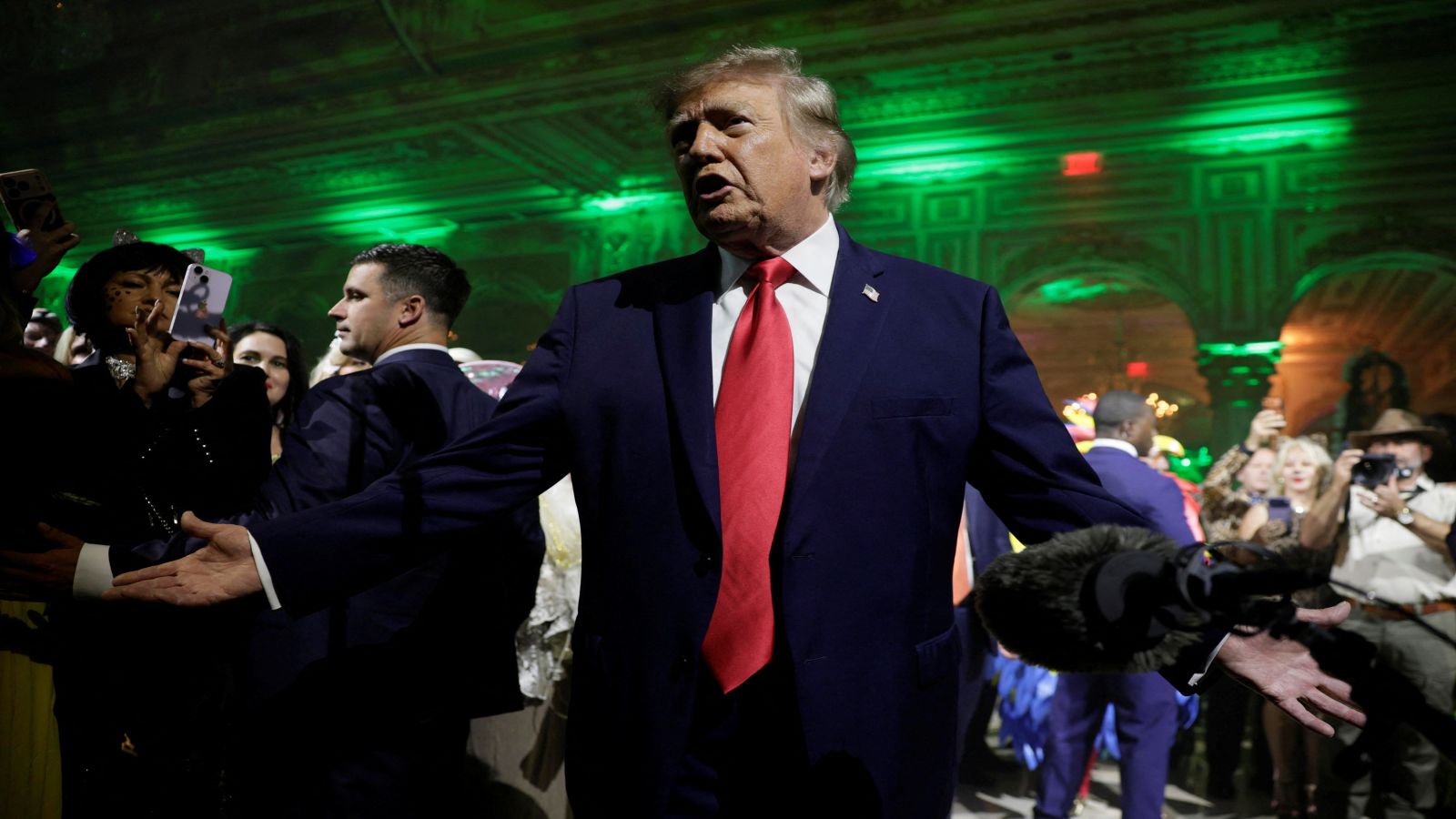
Political loyalties are rarely permanent, and the rapid shifting of the Indian American electorate proves it. Fresh data from the Carnegie Endowment for International Peace, conducted in partnership with YouGov, shows that any momentum Donald Trump built with Indian American voters during the 2024 presidential election has largely evaporated.
If you thought the community was drifting right for good, think again.
The Numbers Tell a Sharp Story
When the ballot boxes opened for the 2024 presidential race, Donald Trump managed to pull roughly 30 percent of the Indian American vote—a notable bump compared to his previous runs. Kamala Harris secured about 62 percent. Fast forward to the current midterm landscape, and those numbers look entirely different.
According to the October 2026 Indian American Attitudes Survey, 62 percent of citizens plan to back Democratic candidates in House races. Meanwhile, Republican support has cratered to just 19 percent. In Senate races, the trend holds steady with Democrats leading 63 percent to 21 percent.
You see a massive 43-point advantage for Democrats that basically erases the narrative of a lasting Republican realignment within this community.
Where the Shift Is Happening Fastest
The reversion isn't happening uniformly across all demographics. Look closely at older Indian American men, a group that showed real openness to Trump earlier in the year. Back in January, support for Democrats among men aged 40 and older sat at 53 percent, while Republican backing stood at 32 percent.
By late October, that dynamic flipped dramatically. Democratic support among older men surged to 68 percent, while Republican support dropped down to 16 percent.
Women are moving too, though generational lines play a role. Among women aged 18 to 39, 58 percent intend to pull the lever for Democratic congressional candidates, keeping a solid margin over Republican hopefuls.
Why the 2024 Gains Faded So Fast
Political analysts love to look for complicated explanations, but the reality comes down to policy fatigue and rhetoric. Gaining 30 percent of a minority vote in a presidential cycle is one thing; sustaining congressional support during a second term is entirely different.
Many high-income, professional Indian Americans have traditionally leaned toward fiscal conservatism, which often attracts them to the GOP. Yet, social anxieties, rhetoric around immigration, and rising instances of hostility have complicated that calculus. For instance, recent identity debates sparked by local political figures questioning South Asian students and community presence have put identity politics back at the forefront.
When voters weigh tax policies against cultural security, cultural security usually wins.
What This Means for Future Elections
Numbers on a survey don't automatically translate to unbreakable party loyalty. Only 46 percent of respondents actually identified as Democrats, even though 62 percent said they planned to vote for them. That gap means voters are choosing a side out of frustration rather than deep-rooted party devotion.
If political parties want to keep this growing demographic on their side, taking them for granted is the fastest way to lose them. Right now, the GOP is learning that lesson the hard way.