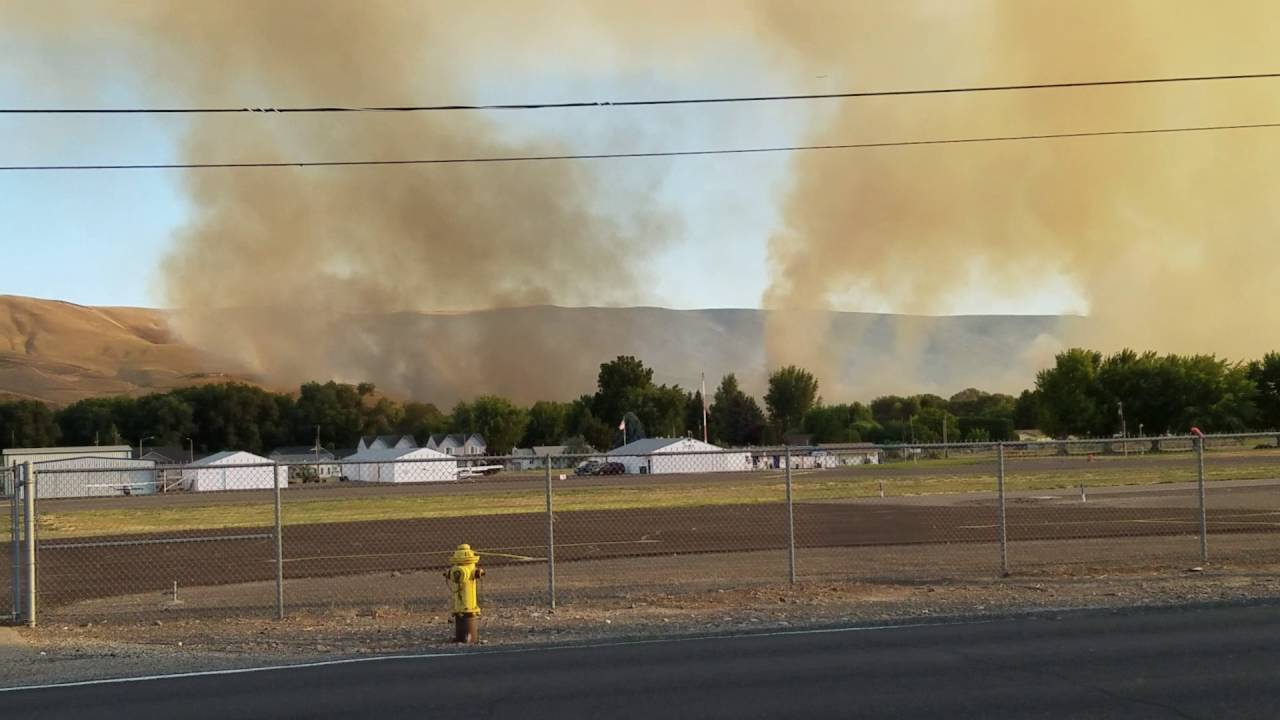
Smoke chokes the morning air across Sumatra and Kalimantan. Visibility drops to meters. Schools close, flights cancel, and millions reach for masks. It is the familiar, tragic rhythm of the dry season in Southeast Asia. Officials point a swift finger at El Nino, treating the climate phenomenon as an all-powerful villain that descends every few years to scorch the earth.
That explanation is convenient. It is also incomplete.
Blaming a weather pattern lets human choices off the hook. Wildfires in Indonesia don't start from lightning strikes alone. They are ignited, fueled, and managed by a complex mix of agricultural economics, peatland destruction, and local governance failures. If you want to understand why Indonesia burns, you have to look past the meteorological maps and examine the ground level where dirt meets quick profit.
The El Nino Myth And Reality
El Nino brings heat and drought. That part is true. When surface waters in the eastern Pacific warm up, rainfall shifts away from the Indonesian archipelago. Dry brush turns tinder-box ready. Peat domes dry out until they become subterranean storage units for combustible organic matter.
Dry wood burns easily. But it still needs a match.
The Indonesian government loves the El Nino narrative because it frames the crisis as a natural disaster rather than a man-made one. Nature acts up, fires rage, and authorities respond. But treating these fires as inevitable acts of God ignores the historical data. The worst fire seasons, such as the catastrophic events of 2015 and 2019, coincided with El Nino years, yes. Yet dry conditions happen regularly without triggering identical scales of destruction. The difference lies entirely in human intervention.
Peatlands The Ultimate Carbon Bomb
Most people picture forest fires as blazing tree trunks crashing down in a jungle. In Indonesia, the real nightmare happens underneath your feet.
Much of the land being cleared consists of tropical peatlands. These are ancient, waterlogged swamps made of decomposed organic matter piled meters deep over thousands of years. Think of peat as unrefined coal sitting near the surface.
When agriculture companies or smallholders drain these swamps to plant palm oil or pulpwood, the water table drops. The wet sponge dries out. Once dry peat catches fire, it burns underground out of sight. You can dump water on the surface flames all day, but the subterranean peat keeps smoldering, releasing massive plumes of carbon dioxide and toxic haze that cross international borders into Singapore and Malaysia.
This isn't an accident of nature. It is a design flaw of modern tropical agriculture. Drainage canals built to dry out peat for plantations turned millions of acres of wetlands into localized powder kegs.
The Economics Of Clearing Land
Why do people set these fires? The answer is brutally simple. Fire is the cheapest tool available for land clearance.
Clearing dense tropical vegetation with heavy machinery costs real money. Hiring crews to chop, haul, and process debris eats into profit margins for small-scale farmers and large corporate suppliers alike. Striking a match costs nothing.
Smallholders use slash-and-burn techniques because their ancestors did, but on a modern scale with modern stakes. Meanwhile, complex supply chains for palm oil and paper pulp sometimes incentivize covert clearing. Even when major corporations adopt zero-burn policies on paper, enforcement breaks down among independent local suppliers who feed the mills.
When enforcement is weak and penalties are low, burning remains a rational economic choice for individuals trying to feed their families or meet corporate quotas. Until the cost of burning vastly outweighs the cost of mechanical clearing, the smoke will return every dry season.
Shifting From Reaction To Prevention
Every time the haze rolls in, the playbook looks the same. Emergency water-bombing helicopters scramble. Cloud-seeding planes try to force rain out of reluctant skies. Officials hold press conferences vowing strict punishment.
It is crisis management theater.
Real solutions require structural change that nobody finds politically easy. Indonesia's Peatland and Mangrove Restoration Agency has worked hard to plug drainage canals and re-wet dried peat domes, but scale remains a massive hurdle. Protecting millions of acres requires constant monitoring, community buy-in, and local enforcement officers who cannot be easily bribed.
Corporate accountability also needs teeth. Supply chain transparency is improving, yet too many middlemen obscure where raw materials originate. If global brands refuse to buy from regions linked to fire clearance, the economic incentive vanishes overnight.
El Nino loads the gun. Human hands pull the trigger. Until policy stops ignoring the second half of that equation, the archipelago will keep choking on smoke.