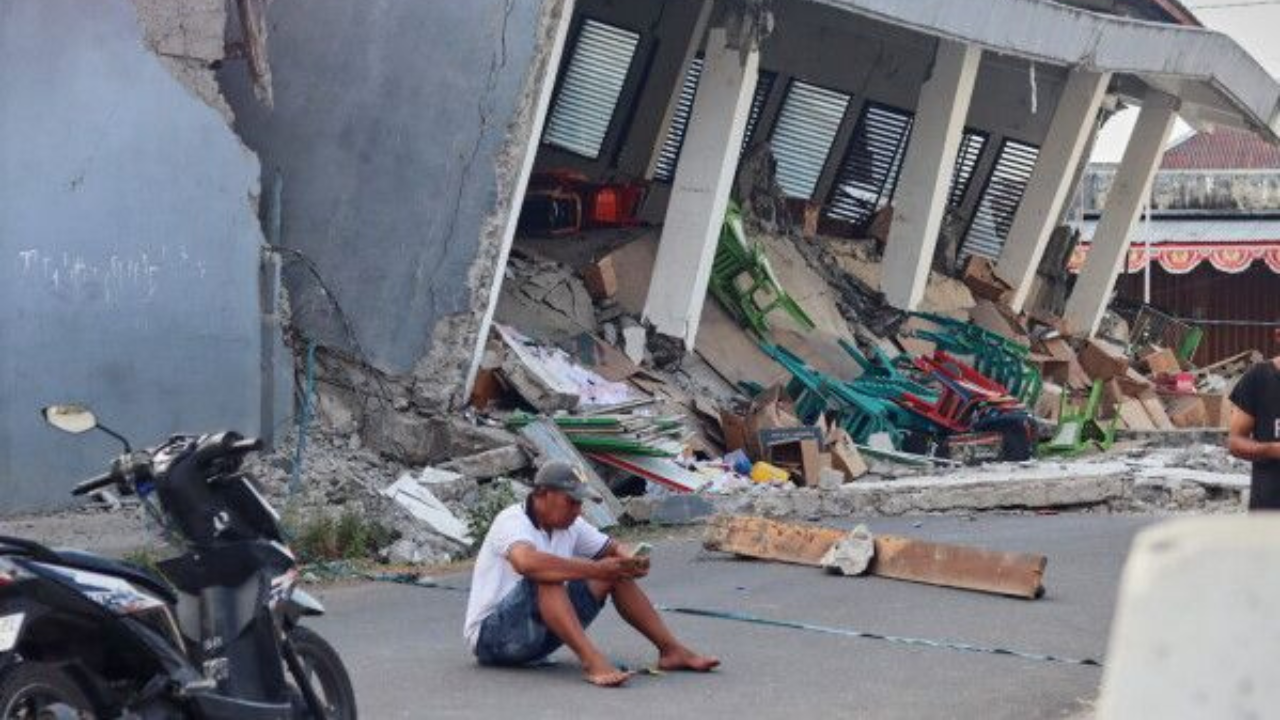
Ground zero doesn't stay quiet for long. Just days after a devastating 7.7-magnitude earthquake ripped through Indonesia's Flores region, the earth moved again. A fresh 5.7-magnitude tremor struck north-northwest of Ende on Monday morning, compounding the terror for communities already digging through rubble.
If you are wondering why this keeps happening, the geographic reality is harsh. Indonesia sits directly on the Pacific Ring of Fire. Tectonic plates collide here constantly. That creates a brutal cycle of seismic activity that tests the limits of local infrastructure and human endurance.
The Human Toll Behind the Numbers
Disaster management reports paint a grim picture. The initial 7.7 quake and its relentless string of roughly 1,000 aftershocks claimed dozens of lives, pushing death tolls past 50 while injuring well over a hundred residents. Thousands of displaced families spent anxious nights sleeping outdoors in temporary camps, terrified that another violent shake would bring down what little remained of their homes.
Search-and-rescue teams faced massive logistical hurdles. Landslides blocked critical mountain roads across hard-hit regencies like Manggarai, East Manggarai, and Nagekeo. Heavy equipment struggled to reach isolated pockets where villagers waited cut off from power and communication lines.
When the subsequent 5.7 tremor hit at a depth of roughly 35 kilometers, it added psychological strain to an already exhausted population. Fortunately, initial checks showed no immediate casualties from this latest shock, but the constant shaking keeps everyone on edge.
Why Shallow Quakes Cause Maximum Damage
Depth dictates destruction. Saturday's initial 7.7 disaster struck at a shallow depth of just 10 kilometers. Shallow earthquakes pack a much heavier punch because the seismic energy has less distance to travel before slamming into the surface.
Buildings crumbled instantly. Hospitals had to evacuate patients into streets and courtyards, setting up makeshift treatment areas with IV drips and oxygen tanks outdoors. Authorities also issued immediate tsunami warnings for coastal sectors of East Nusa Tenggara, sending panicked residents sprinting toward higher ground before the alert was eventually lifted.
What Happens When the Cameras Leave
Disaster relief doesn't end when the breaking news cycle stops. Thousands remain in temporary shelters across Flores, and rebuilding shattered infrastructure takes years, not weeks.
If you want to track official recovery efforts or support verified humanitarian missions operating on the ground in East Nusa Tenggara, check updates directly through the Indonesian National Disaster Management Agency (BNPB) or international relief organizations providing emergency medical aid and shelter materials.