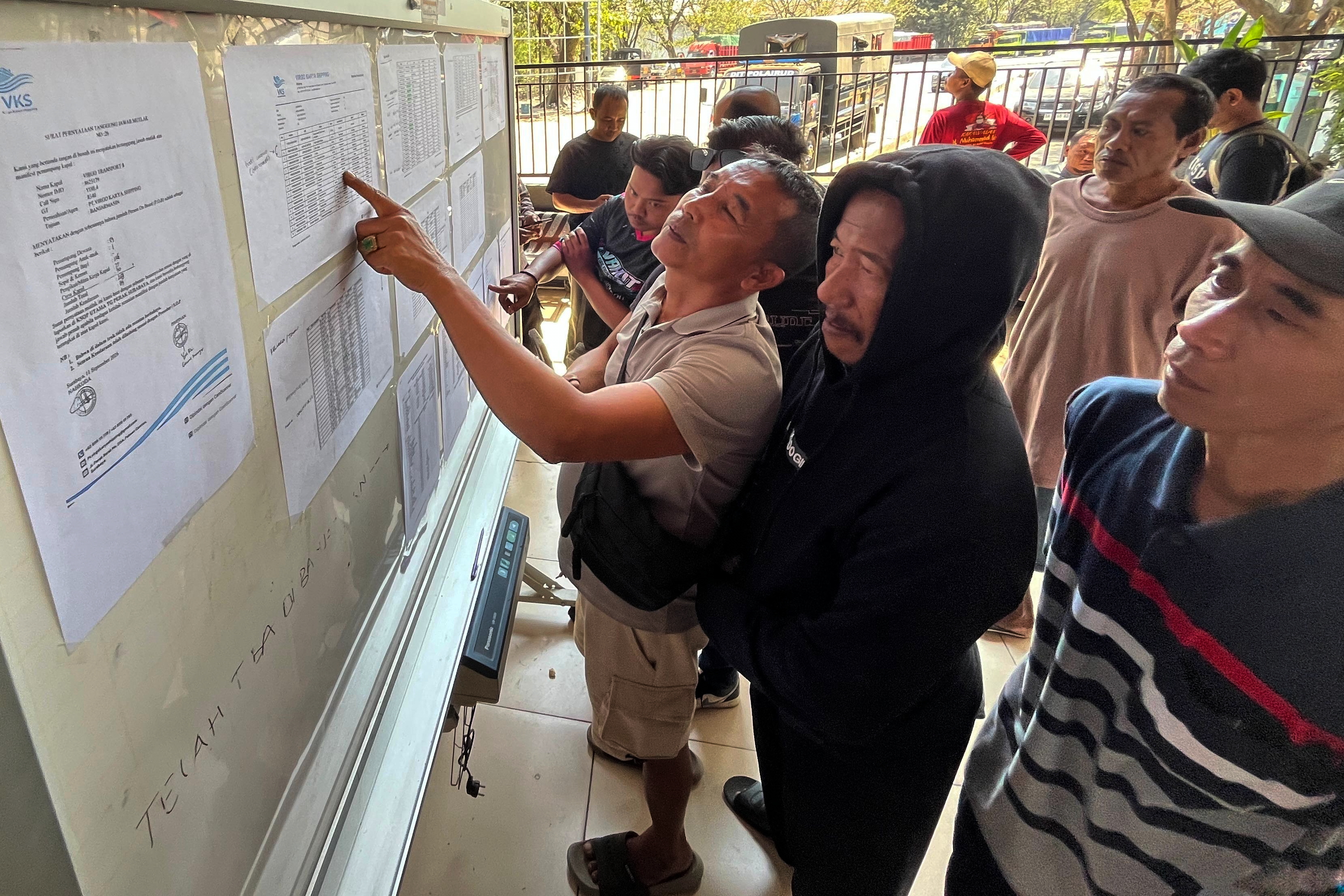
Rescue teams are frantically combing the choppy waters of the Java Sea. At least 129 people remain missing after a passenger ferry capsized during severe weather. Over 240 people were crammed onto the vessel when high waves and fierce winds slammed the ship, sending it over. At least six people have been confirmed dead, but time is running out for the rest.
If you track maritime safety or follow Southeast Asian current events, this tragedy feels sickeningly familiar. Indonesia is an archipelago stitched together by thousands of islands, meaning millions rely on ferries every single day. Water transport is the lifeblood of the nation. It is also a recurring site of preventable maritime disaster.
The Grim Reality of the Java Sea Search Operation
When a boat goes down in waters like the Java Sea, the initial window for survival is brutally narrow. Emergency responders from Indonesia’s search and rescue agency, Basarnas, are deploying ships, helicopters, and rubber boats. They are fighting towering waves and unpredictable currents.
The numbers are staggering. Out of the hundreds on board, dozens have been pulled from the water alive, but 129 human beings are still unaccounted for. Families are gathered at local ports, clutching photographs and waiting for news that often brings heartbreak.
Why do these rescue operations face such massive hurdles?
- Extreme weather shifts rapidly across the Indonesian archipelago.
- Accurate passenger manifests are notoriously difficult to secure immediately.
- Remote maritime zones stretch local rescue resources to their absolute limit.
Manifest discrepancies always plague these accidents. Tickets are bought through informal channels, sub-agents, or cash transactions right before departure. When a ship sinks, nobody actually knows who was on board. Authorities end up guessing based on vehicle registrations, recovered luggage, and frantic calls from relatives.
Why Indonesian Ferries Keep Capsizing
Indonesia operates the largest archipelagic transport network in the world. Thousands of commercial ferries cross dangerous straits hourly. Unfortunately, safety protocols often take a backseat to commercial demand, especially during holidays or periods of heavy transit.
Overloading is an open secret. Operators look the other way when extra passengers push past legal capacity. Enforcement at smaller, regional ports is lax. Bribes change hands, and unseaworthy vessels leave docks packed to the gills.
Then weather strikes. The Java Sea is notorious for violent squalls, sudden typhoons, and rough swells. When a top-heavy ferry loaded with cargo, cars, and passengers hits a wall of water, physics takes over. Cargo shifts. Balance is lost. The ship rolls.
The Human Toll Behind the Statistics
We talk about 129 missing people like they are a data point on a news ticker. They aren't. They are commuters, children visiting grandparents, traders carrying goods between islands, and families trying to make a living across the water.
When you look at past maritime accidents in the region—such as the tragic sinking of the Sinar Bangun in Lake Toba or various inter-island ferry disasters—the systemic failures are identical. Regulators promise stricter oversight. Ports promise tighter checks. Yet months later, another vessel slips past the breakwater with too many souls on board and too few life jackets.
Search operations will continue for days, stretching past standard survival windows. Coast guard units and local fishermen will scour coastlines and mangrove swamps. Some survivors will drift ashore on makeshift rafts or floating debris. Many others will simply vanish into the deep, dark expanse of the Java Sea.
If you are traveling through Indonesia's maritime networks, pay attention to the state of your vessel. Check for visible life rafts. Notice if cargo is unsecured. Speak up, because the system won't protect you until you force it to.
Support local emergency response funds if you want to help families affected by the disaster. Demand accountability from regional transport ministries. Stop treating structural maritime negligence as an inevitable act of nature.