When an Indonesian ship carrying over 240 people vanishes mid-voyage, it triggers a familiar, grim routine across the archipelago. The passenger and cargo vessel Virgo Transport 8 departed Surabaya in East Java on a Saturday evening, bound for Banjarmasin on Borneo. By 2:00 AM on Sunday, communication lines went dead. Severe weather in the Java Sea had swallowed up contact, leaving rescue coordinators scrambling to find a metal hull lost in thousands of square miles of unpredictable water.
If you look closely at how Indonesia moves people, you realize disasters like this aren't random anomalies. They're systemic risks waiting to happen.
The Geography of Risk in Southeast Asia
Indonesia is a sprawling puzzle of roughly 17,000 islands. Planes are expensive, and air tickets burn through a working family's budget instantly. Ferries and cargo-passenger ships are the lifeblood of the nation. Millions rely on them to cross regional waters cheaply.
That massive reliance creates a dangerous pressure cooker. When maritime transit is the only affordable option, volume spikes. Safety protocols often take a backseat to keeping schedules moving.
The Java Sea itself isn't a gentle pond. Sudden squalls, violent winds, and towering waves turn routine routes into gauntlets. When the Virgo Transport 8 hit heavy weather, it ran into the exact same environmental trap that sank the Senopati Nusantara back in 2006 and has plagued local waterways for decades.
Inside the Emergency Response
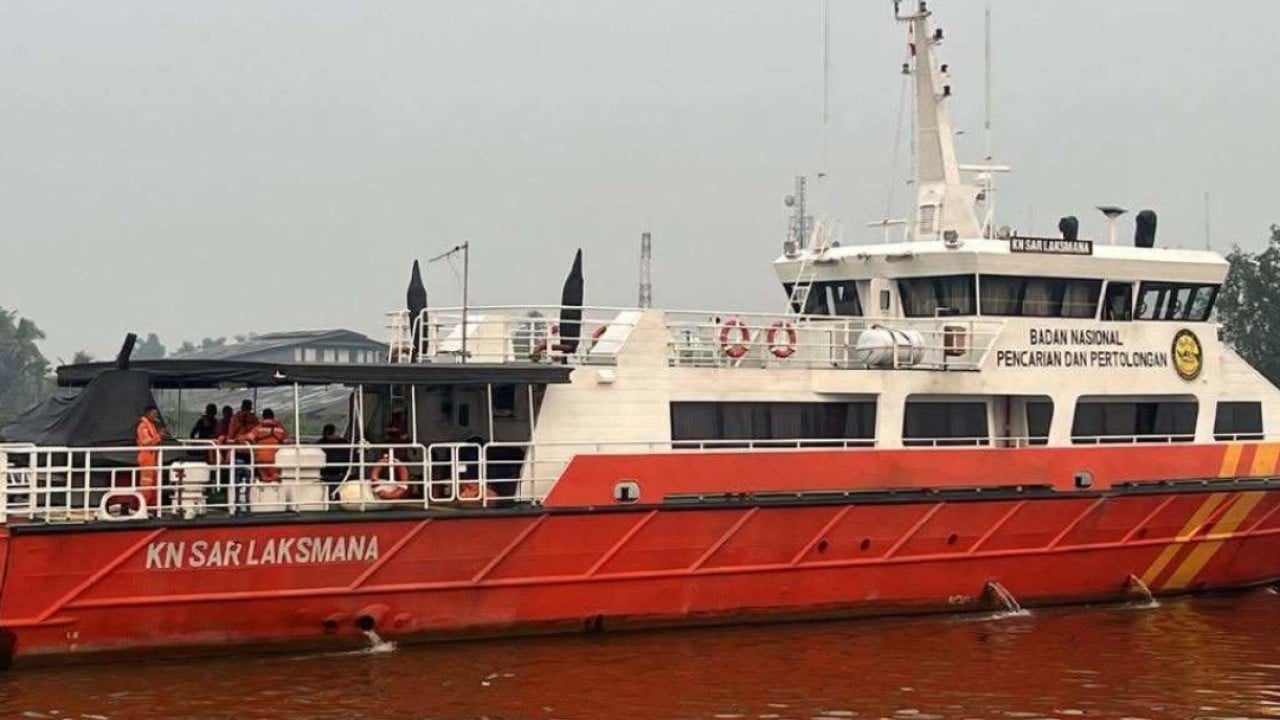
As soon as communication dropped, the National Search and Rescue Agency (Basarnas) kicked into gear. Officials deployed the rescue vessel KN SAR Laksmana 241 toward the last recorded position, roughly 148 kilometres from the Banjarmasin pier.
Coordination is messy work in these scenarios. Rescuers have to sync up with:
- The Indonesian Navy
- Local maritime police
- State-owned port operators
- The vessel's commercial management
Initial reports confirmed that hundreds were on board, and as search teams scoured the waves, over a hundred individuals were successfully evacuated, though tragedy inevitably touched the operation with at least one confirmed fatality.
Search grids expand fast because currents don't wait for paperwork. Every hour a ship stays uncontactable, the drift zone grows exponentially.
Why Safety Regulations Fail to Stick
You can write all the maritime codes you want, but enforcement is where the system breaks down. Harbor authorities often face immense pressure to wave vessels through ports, especially during peak travel seasons or when commercial cargo needs to move fast.
Overloading is an open secret in many regional ports. While investigations into specific incidents take weeks to untangle, past disasters repeatedly point back to a toxic mix of human error, ignored weather warnings, and stretched safety gear. Life rafts, emergency beacons, and radio backups are mandatory on paper. In practice, routine checks can sometimes be dangerously lax.
When you pack hundreds of souls onto a single ship traversing notoriously volatile tropical waters, there's zero room for error. A single broken radio frequency or a delayed distress signal means the difference between a quick rescue and a full-scale tragedy.
What Needs to Change Now
Fixing Indonesia's ferry safety crisis requires more than just launching rescue boats after disaster strikes.
First, weather tracking needs to tie directly into mandatory port closures. If meteorological agencies flag severe squalls in the Java Sea, departures must halt, no exceptions made for corporate schedules.
Second, real-time vessel tracking systems must be strictly monitored from central hubs, independent of shipboard compliance. If a captain loses radio contact, shore authorities should know within minutes, not hours.
Until structural enforcement matches the scale of maritime dependency, the Java Sea will remain a perilous highway for thousands of daily travelers.