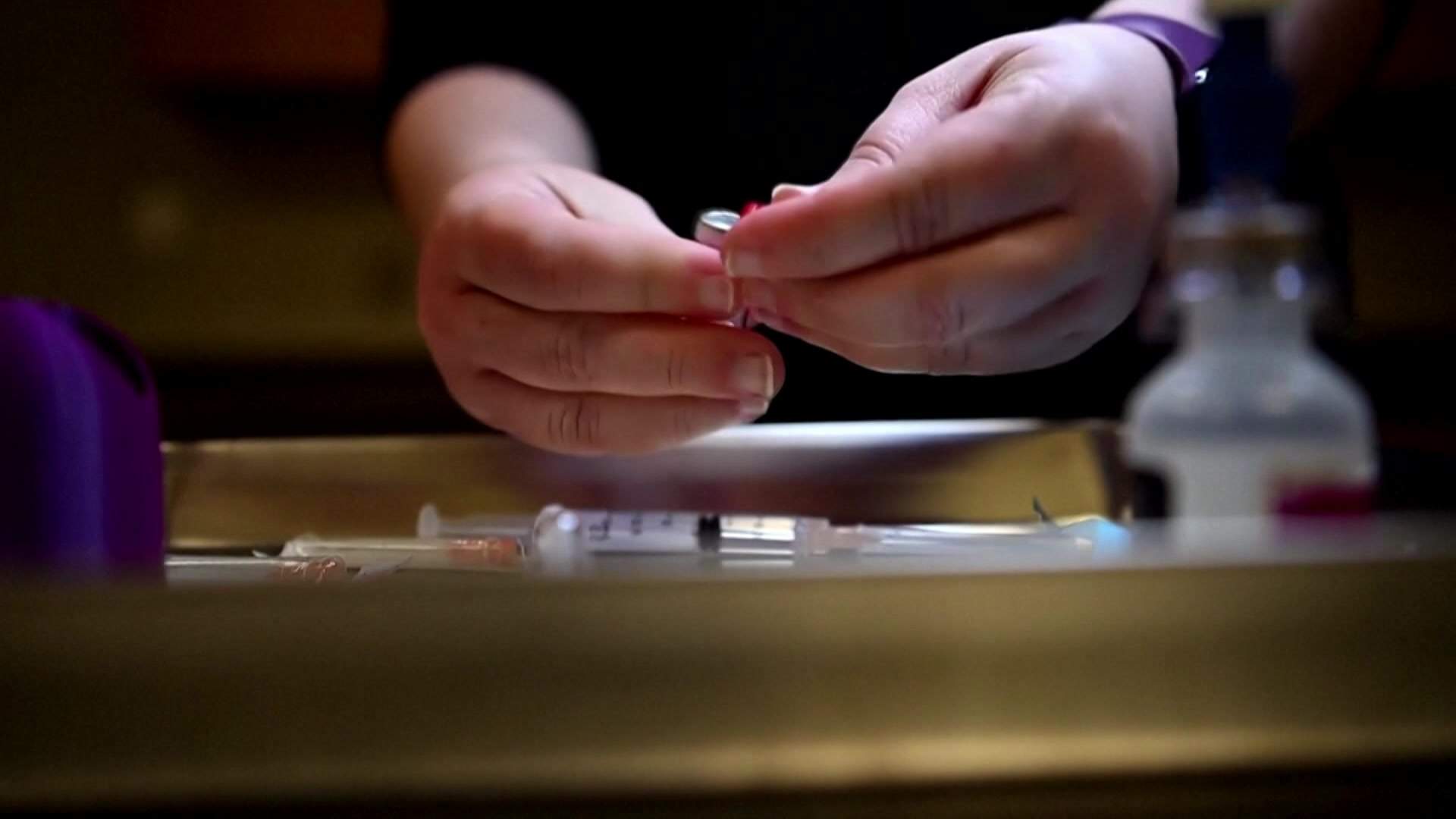
When Health and Human Services Secretary Robert F Kennedy Jr walked onto the National Institutes of Health campus in Bethesda, Maryland, to open a specialized vaccine injury clinic, he wasn't just cutting a ribbon. He was driving a fresh wedge straight through the center of American public health policy.
The clinic, which opened its doors in early October 2026, is meant to investigate post-vaccination health problems and care for patients who feel ignored by the medical establishment. But the pushback was immediate. The move has triggered intense friction between federal health leadership and institutional boards, leaving doctors, researchers, and patients caught in the crossfire of a deeply polarized debate.
Let's look past the political noise. What is this clinic actually going to do, why are institutional boards pushing back so hard, and what does it mean if you are trying to make sense of federal health announcements?
The Setup Behind the New NIH Clinic
The Bethesda clinic sits at the heart of a broader HHS initiative spearheaded by Kennedy. Alongside the research center, the department rolled out proposals to modernize the Vaccine Adverse Event Reporting System, or VAERS, and even pay doctors financial reimbursements for filing side-effect reports.
The stated rationale sounds reasonable on paper. Kennedy argues that patients reporting adverse events have historically faced skepticism or outright dismissal from traditional practitioners.
"We must listen to patients and families who report vaccine injuries—not dismiss or gaslight them," Kennedy stated during the rollout.
Yet, public health experts and institutional boards are sounding alarm bells. Critics point out that VAERS is designed to collect unvetted safety signals, not confirmed medical diagnoses. Anyone can file a report, meaning raw data in the system can easily be misinterpreted or weaponized to sow public distrust. Mainstream medical consensus holds that severe adverse reactions from routine vaccines remain exceptionally rare, and the overwhelming safety record of approved immunizations is well-documented by decades of peer-reviewed data.
Why the Institutional Pushback Is So Fierce
You might wonder why a clinic dedicated to studying patient health problems draws such sharp rebukes from hospital boards and scientific advisors. The tension comes down to methodology, transparency, and institutional trust.
When HHS announced the initiative, critical details were noticeably missing. Observers noted that the administration did not publicly release:
- The clinic's specific operating budget.
- Clear patient enrollment and screening criteria.
- Rigorous peer-review protocols for its research findings.
When a federal agency launches a high-profile medical initiative without spelling out how its science will be validated, institutional boards get nervous. In the middle of public health challenges—such as persistent measles outbreaks across parts of the country—clear, consensus-backed communication is vital. When leadership pushes initiatives that appear built on long-standing personal skepticism rather than mainstream scientific review, it creates institutional gridlock.
Navigating the Noise as a Patient
If you are trying to make health decisions for your family, this kind of bureaucratic turf war is exhausting. Headlines swing wildly from claims of a revolutionary safety breakthrough to warnings about the erosion of scientific standards.
Here is how to keep your footing:
- Separate Raw Signals From Proven Facts: Remember that adverse event reporting systems are early warning tools, not final verdicts. A filed report indicates a temporal association, not a proven causal link.
- Consult Trusted Primary Providers: Talk directly to pediatricians, family physicians, or specialists who base their guidance on broad clinical data and established immunization schedules.
- Watch for Empirical Transparency: True scientific progress requires peer-reviewed data, open budgets, and reproducible studies. Until the new NIH clinic publishes verifiable protocols and peer-reviewed findings, treat its output with healthy professional skepticism.
The debate over vaccine safety oversight isn't going away anytime soon. As federal agencies clash with institutional medical boards, the burden falls on individuals to look past political posturing and demand rigorous, transparent science.