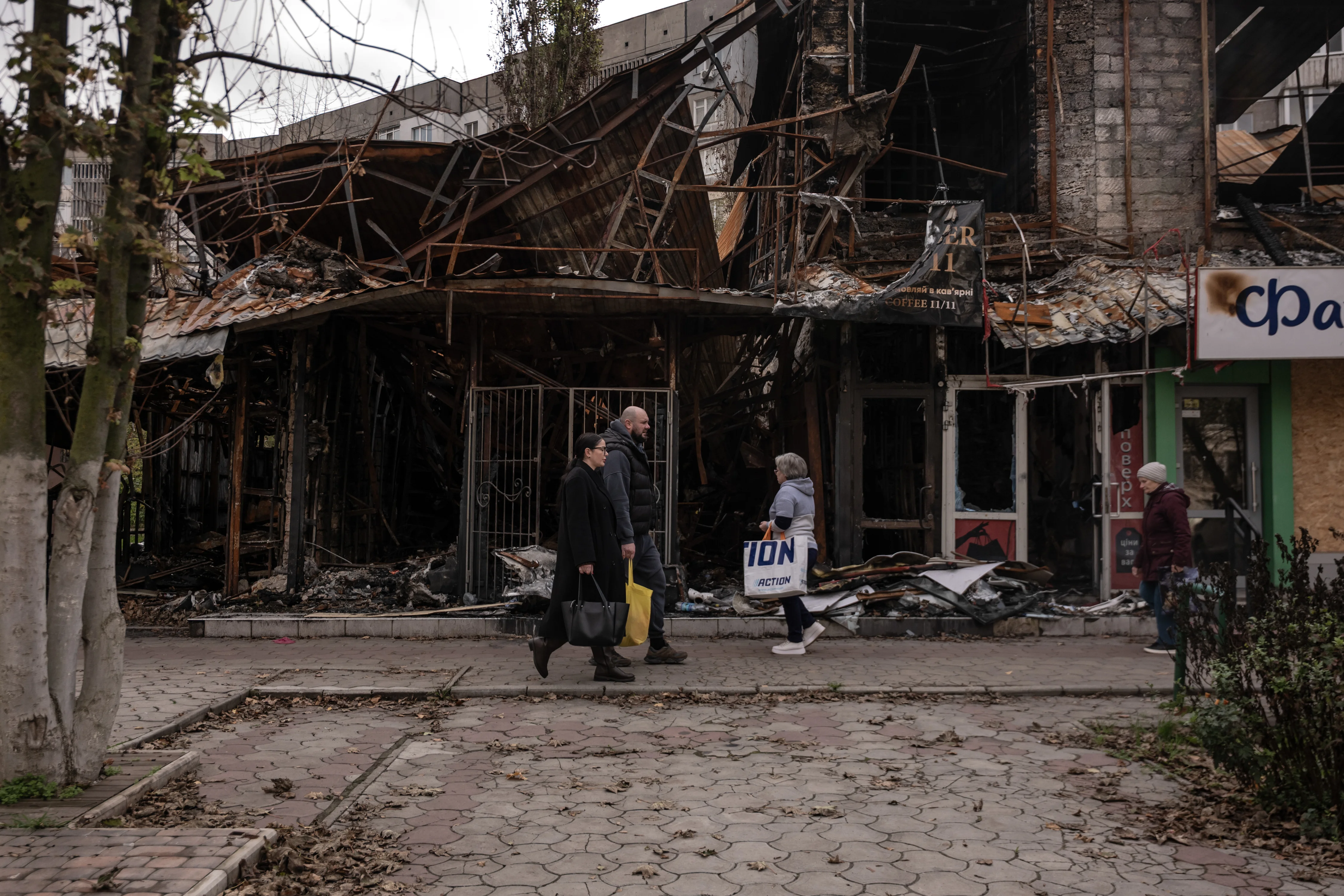
Drones don't take weekends off in southern Ukraine. For years, the riverside communities across Kherson Oblast have lived under constant surveillance from above, waiting for the next artillery shell or drop mine. Then, a rare quiet settled over Oleshky. A limited humanitarian ceasefire opened a narrow escape window, offering hundreds of trapped residents a fleeting glimpse of normal life before the front lines closed back up.
Negotiated to clear out critical humanitarian shortages and allow evacuations from Russian-occupied territory, the temporary pause was short-lived. Yet it exposed the brutal reality of life in Ukraine's southern red zones, where survival often comes down to agonizing split-second choices.
Life Inside the Riverside Kill Zone
Before the war, the region held roughly a million residents. Today, much of the riverside in Kherson and neighboring occupied sectors functions as a high-danger combat zone. Oleshky spent years under strict Russian occupation, enduring severe shortages of drinking water, electricity, and medical aid.
When the brief truce went into effect, it offered a stark contrast to daily terror. Humanitarian bus convoys rolled in to evacuate civilians who wanted to leave for Ukrainian- or Russian-controlled territory, while others stayed behind with newly replenished food supplies. For a few days, streets usually empty out of fear saw people walking in the open.
Yet, the anxiety never truly vanished. Military officials and local volunteers noted that many residents wept openly when forced to decide whether to abandon their ancestral homes. Leaving meant stepping into total uncertainty with no money and no property. Staying meant waiting out the return of glide bombs and constant drone harassment.
Why Most Residents Choose to Stay Put
Outsiders often wonder why anyone remains in a bombed-out shell of a town. The reasons go far beyond stubbornness.
- Economic survival: Older residents often fear they will lose what little pension or property rights they have left if they cross the line.
- Lack of a safety net: Many evacuees have zero relatives elsewhere to host them, making the prospect of starting over from scratch terrifying.
- Deep emotional roots: Generations of families have lived along the Dnipro River basin. To them, abandoning the land feels like giving up entirely.
Local aid coordinators working on the ground pointed out that without that brief window of quiet, getting anyone out alive would have been impossible. But the truce also served military purposes. Observers noted that while buses rolled, both sides used the pause to regroup, repair damaged logistics, and adjust drone defenses.
The Aftermath and the Return to War
The moment the ceasefire expired, the relative calm shattered. Moscow quickly rejected subsequent offers to extend the humanitarian pause, and regular strikes resumed across the Kherson region. Emergency alerts and cyberattacks targeted local apps, while air defenses scrambled to intercept incoming drones.
United Nations officials and human rights advocates have repeatedly stressed that civilian evacuations and humanitarian access should not depend on fleeting political windows. Under international conventions, blocking aid to occupied populations remains a severe violation. Yet, practical enforcement on the ground remains almost nonexistent.
For the people who chose to stay in Oleshky and surrounding frontline pockets, life immediately reverted to the cellar. The brief taste of normal life is over, replaced once again by the constant buzz of overhead engines and the thud of incoming artillery.