Diplomatic immunity doesn't cover physical altercations on United Nations floorboards. Washington just proved that point with dramatic speed.
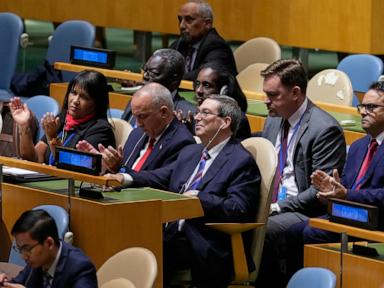
When US Ambassador to the UN Mike Waltz squared off against Cuban Foreign Minister Bruno Rodríguez Parrilla on the General Assembly floor, the resulting shouting match broke every rule of diplomatic decorum. Minutes later, a phone was swatted away, a security line was crossed, and a first secretary was packing his bags for Havana.
The fallout from this confrontation reaches far beyond New York headquarters. It marks a sharp escalation in US-Cuba relations under the Trump administration, completely altering how diplomatic disputes are handled on international turf.
What Actually Sparked the UN General Assembly Fight
The floor of the UN General Assembly routinely hosts tense debates, but few escalate into physical shoving. The friction began when Ambassador Waltz took aim at the Cuban government during discussions surrounding the annual resolution condemning the long-standing US economic embargo.
Waltz targeted what he labeled the lavish lifestyles and corruption of Cuban elites, arguing that the ruling regime profits while citizens suffer. Cuba's foreign minister immediately fired back, shouting across the room and labeling the US ambassador a liar.
Things deteriorated rapidly when members of the Cuban delegation moved toward the podium to interrupt the speech. Video footage captured Waltz standing his ground, pounding the podium, and warning officials that they couldn't bring domestic intimidation tactics to American soil.
The Shoving Match That Triggered Immediate Expulsion
Words quickly turned into a physical scuffle off-mic. Richard Tur de la Concepción, the first secretary of Cuba's Permanent Mission to the UN, confronted US diplomatic personnel.
During the exchange, Tur de la Concepción allegedly shoved away the smartphone of JP Freire, a US spokesman recording the commotion. Washington treated the move not as a minor annoyance, but as a direct assault on an American diplomat.
The response was instantaneous. US authorities pulled zero punches. Secretary of State Marco Rubio signed off on the expulsion paperwork within hours. Ambassador Waltz didn't mince words when broadcasting the decision, making it clear that touching an American representative carries immediate consequences.
"He's gone," Waltz stated bluntly during a media appearance. "He is going to be on a plane to Havana within the next 24 hours."
The Broader Fallout for US-Cuba Policy
This confrontation arrived right on schedule with the UN's annual vote on the non-binding resolution urging the end of the US economic embargo. While the measure ultimately passed, it did so with 130 votes in favor—down significantly from previous years, marking the lowest support count in two decades.
The Trump administration has steadily tightened screws on Havana. Beyond expelling diplomats, recent weeks have seen heightened rhetoric, increased scrutiny, and open pressure campaigns targeting the island nation's leadership.
Cuba's mission fired back with official protest letters submitted to the UN Secretary-General's office, accusing American staffers of harassment and provocation. Yet, those protests did nothing to stop the expedited removal of their official.
Expect zero cooling off in the near future. When diplomats start swapping physical shoves for handshakes in international halls, standard diplomatic channels give way to hardline posturing. Washington drew a thick red line in New York, and Havana just tested its boundaries.