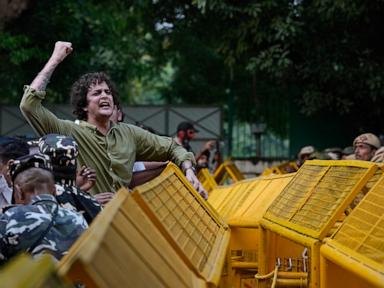
Thousands of police officers on high alert, locked-down metro stations, and barricaded highways. New Delhi turned into a fortress ahead of a planned rally by India's viral youth-led protest group. If you're wondering how a satirical online symbol turned into a severe political crisis for Prime Minister Narendra Modi's government, you're looking at one of the most explosive social uprisings in modern Indian history.
What started as a digital response to institutional insults has morphed into the Cockroach Janata Party (CJP). The government's heavy-handed reaction shows just how nervous authorities are about youth discontent over disputed voter roll purges and systemic joblessness.
How a Satirical Insect Became a Symbol of Resilience
Let's go back to how this all started. Months ago, India's chief justice compared unemployed youth to parasites. Instead of shrinking away in shame, young Indians leaned right into the insult. They adopted the cockroach as a badge of survival, resilience, and stubborn defiance against a system that feels rigged against them.
The movement quickly spilled out of online chat rooms and onto the streets. It wasn't just a meme anymore. When youth-led pressure forced the resignation of Modi's education minister, the establishment realized this wasn't a flash-in-the-pan student grievance. It was an organized, highly vocal challenge to political authority.
The Security Clampdown and Mass Detentions
When the CJP announced a massive march in the national capital to demand accountability and call out election irregularities, the state response was swift and brutal. Authorities didn't just deny permits. They practically paralyzed New Delhi.
Over 25,000 security personnel were deployed. Trains coming into the capital faced major cancellations, metro stations shut down abruptly, and checkpoints choked incoming highways. Police even boarded incoming commercial flights to detain CJP founder Abhijeet Dipke right as his plane touched down at Indira Gandhi International Airport. High-profile figures, student leaders, and opposition politicians were placed under house arrest or swept up in mass detentions totaling in the thousands.
Critics called it an undeclared emergency. Supporters of the government dismissed the protesters as anarchists trying to destabilize the country. But the sheer scale of the lockdown suggests a government rattled by grassroots mobilization.
Why This Unrest Hits Differently
Past protests in India often split neatly along traditional party or ideological lines. This movement is different. It draws power from economic anxiety, frustration over electoral roll revisions, and a pervasive feeling among Gen Z and millennials that their voices don't matter.
When you lock down an entire capital city, shut down public transit, and restrict food deliveries near protest zones, you send a clear message. You are showing fear, not strength.
The CJP leaders might have been dragged off to police vans and temporary jail cells, but silencing thousands of determined citizens rarely works long-term. As long as the underlying economic pressures and governance grievances remain unaddressed, the cockroach movement will keep crawling back into the political spotlight.


