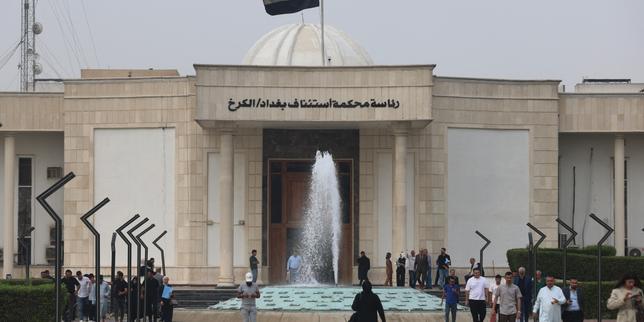
The trials unfolding inside Baghdad's Karkh tribunal mark a stark chapter for dozens of French nationals caught in the aftermath of the Islamic State collapse. Vêtus d'orange, shaved and stripped of the militant facade they wore in Syria years ago, these individuals now face the cold reality of Iraqi justice. Among them are both low-level operatives and prominent propaganda figures who once commanded fear across Europe.
You hear a lot about repatriation debates in Western capitals, but the actual legal processing happening on the ground in Iraq tells a completely different story. Justice moves forward whether politicians talk about it or not.
From Syrian Camps to Baghdad Courtrooms
Arrested years ago by the Syrian Democratic Forces and subsequently transferred across the border, these French citizens find themselves navigating a judicial system entirely foreign to them. The courtroom dynamics are heavy. Some defendants try to minimize their involvement, claiming they only worked odd jobs like running a phone shop, while others bear visible, permanent scars from frontline combat.
Take figures like Adrien Guihal, a veteran propagandist of French jihadism notorious for recording audio claims that justified mass casualties back in Europe, including the horrific 2016 truck attack in Nice. When such individuals stand before an Iraqi judge, the defense strategy usually shifts instantly toward distancing oneself from the group's central command. They talk about deception, fear, and a distorted reality.
Judges don't buy excuses easily. When defendants claim they had no idea the organization plotted transnational terrorism, the court weighs those statements against documented operational logs, intercepted communications, and witness testimonies gathered over a decade of conflict.
The Reality of Public Regrets and Legal Defenses
During recent hearings at the Karkh tribunal, courtroom tension spiked when a few defendants caught sight of family members who had traveled all the way from France. Brief moments of human emotion flashed through the heavy security before the proceedings resumed. Yet, public remorse rarely translates into legal immunity.
Defendants often argue that their confessions were extracted under pressure or misquoted by investigators. Lakhdar Sebouai, one of the accused, openly contested statements attributed to him, insisting he merely repaired electronics during his time under militant control. Other younger defendants, swept into the conflict as minors or young adults, point accusing fingers at family members or recruiters who dragged them across borders before they could legally vote.
"We thought we were building something, but it was just the law of the jungle," one defendant muttered before the bench, attempting to distance his actions from religious idealism.
👉 See also: cops and robbers gambling
The legal reality remains brutal. Whether someone served as a frontline fighter losing limbs in combat or simply maintained communication infrastructure behind the lines, the Iraqi court processes their indictments under strict counter-terrorism statutes that carry severe penalties.
Why These Proceedings Matter Right Now
Governments in Western Europe often drag their feet on repatriating adult citizens involved with terrorist groups, leaving local authorities in Iraq and Syria to shoulder the immense burden of detention and prosecution. These trials provide closure of a sort, documenting the exact mechanics of how European youth were radicalized and funneled into war zones.
If you want to understand why the shadow of the 2010s extremist wave still haunts European security agencies, look directly at these Baghdad courtrooms. The foot soldiers and the propagandists are finally answering for choices made a decade ago, proving that accountability catches up eventually, even if it takes years of diplomatic friction and legal maneuvering.
Procès en Irak de djihadistes français : nouvelle audience pour les accusés
This video provides on-the-ground news footage and context regarding the ongoing trials of French nationals in Iraqi courts.


