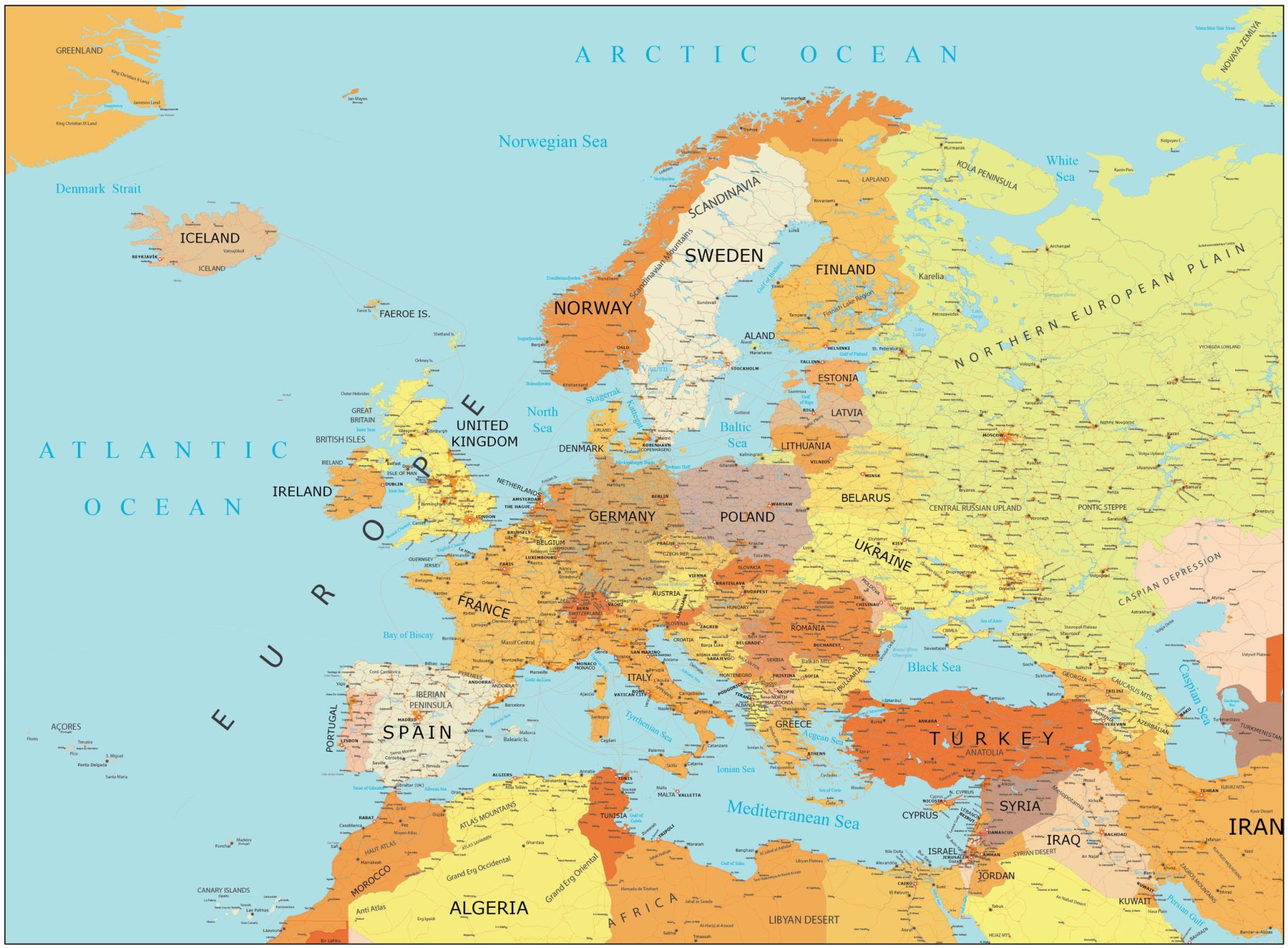
You wake up, step outside your front door, and find the sidewalk buried under a sea of shattered safety glass, charred bicycle frames, and the acrid smell of burnt rubber hanging thick in the morning air. That was the grim reality for millions across Paris, Lyon, Marseille, and Lille as dawn broke following a weekend of unprecedented social unrest.
A massive clean-up operation is currently sweeping across France. Municipal sanitation workers, store owners, and exhausted volunteers are racing against time to scrub away the wreckage left by cost-of-living demonstrations that spiralled into some of the most violent riots the country has witnessed in years.
How France Descended Into Chaos
The roots of this explosion didn't appear overnight. What started weeks ago as isolated student walkouts over crumbling school infrastructure and chronic teacher shortages in working-class suburbs quickly mutated into a national outcry.
Citizens took to the streets to protest surging inflation, painful public spending cuts, and skyrocketing fuel and utility prices. But when hundreds of thousands of demonstrators marched on Saturday, the protests were hijacked by violent factions.
The toll was staggering:
- Over 2,000 arrests nationwide, with Paris alone accounting for more than 850 detentions.
- More than 600 police officers injured during fierce street battles.
- Dozens of major retail outlets, including high-profile chains like Carrefour, reporting extensive looting and structural damage totaling tens of millions of euros.
- A historic town hall torched and iconic tourist zones left looking like movie sets after an action sequence.
Interior Minister Laurent Nunez admitted that authorities faced extreme challenges controlling the scale of the violence, while President Emmanuel Macron addressed the nation in a televised speech, expressing a mix of anger and shame over the destruction.
The Ground Zero Reality of the Recovery Effort
If you walk down Rue Saint-Ferréol in Marseille or near the Les Halles shopping center in Paris right now, you won't see politicians arguing on television. You'll see shopkeepers sweeping up inventory boxes that never made it to shelves.
Municipal hosing crews are working around the clock to wash away tear gas residue and graffiti-scarred facades. Major retailers are calling in private contractors to board up smashed storefronts while insurance adjusters scramble to process claims. Carrefour's chief executive confirmed that roughly 50 stores suffered physical damage, with 20 completely ransacked.
For local business owners, the financial blow comes at the worst possible time. Many are asking a hard question: how do you keep your doors open when every major protest risks turning your livelihood into collateral damage?
What Happens Next for the French Economy and Government
The clean-up is physical, but the political fallout is going to take much longer to sweep away. Economy ministry officials have warned that those caught looting and destroying public infrastructure will face swift legal consequences and financial liability for the repairs.
Yet, arresting thousands of people and scrubbing graffiti off municipal buildings doesn't solve the underlying grievances. Inflation is still biting hard, public services remain stretched to their limits, and public trust in government management is plummeting.
If you're planning a trip to France or managing a business there this week, expect lingering transit disruptions, heightened security cordons in major city centers, and closed metro stations near government buildings. The streets are being cleared of glass, but the underlying tension across the country remains entirely unmasked.