A small boat sidled up to an oil tanker near the coast of Oman, planted two explosive devices right above the waterline, and detonated them. Chaos followed. The blasts tore into the engine room, sparking a massive fire that temporarily paralyzed the vessel in one of the world's most critical maritime chokepoints. Yet, amid mounting geopolitical friction, the core relief is clear: all crew members survived and escaped serious injury, and no oil spilled into the sea.
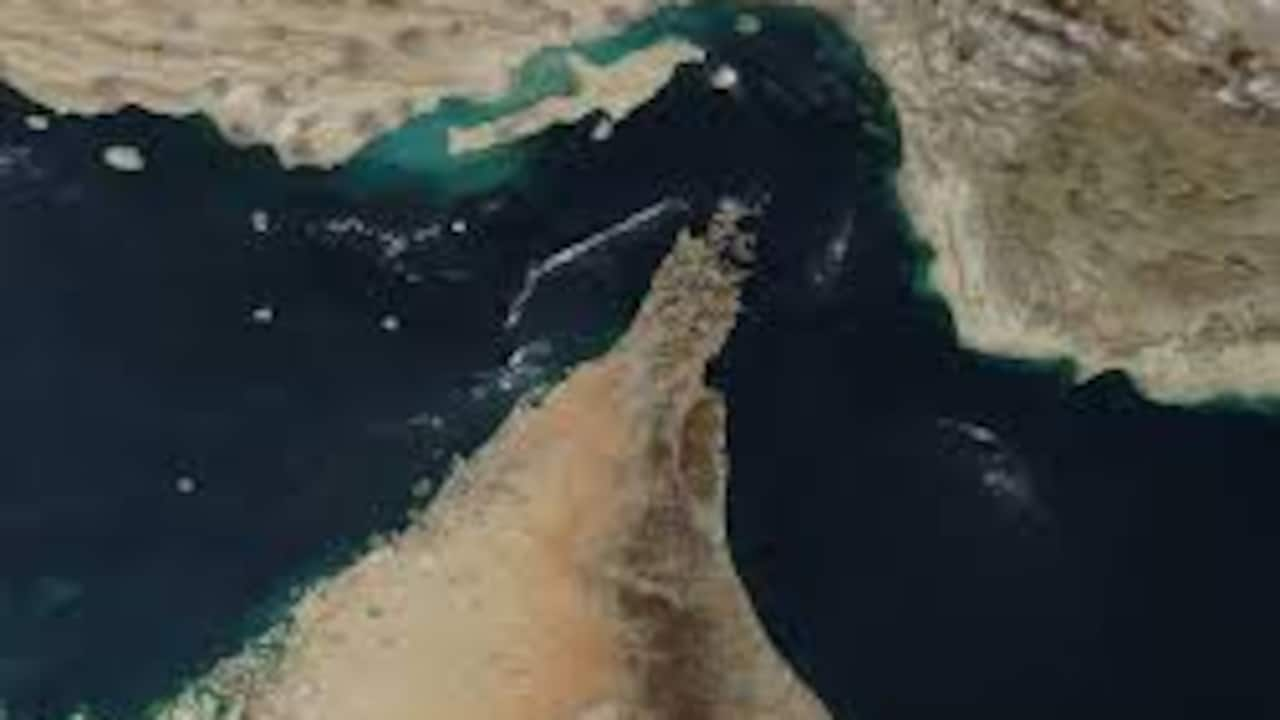
If you are trying to understand why this specific incident matters so much, you need to look past the headline. The Strait of Hormuz is the economic jugular vein for global energy supplies. When commercial vessels become targets, energy markets panic, insurance rates spike, and military planners in Washington and Tehran instantly shift their postures.
What Actually Happened Off the Coast of Oman
The United Kingdom Maritime Trade Operations (UKMTO) reported that the attack occurred late Thursday, roughly 25 nautical miles northeast of Khasab, Oman. Attackers on a small craft approached the port side of the moving tanker, secured the explosives to the hull, and pulled back before the detonation.
The resulting fire crippled the engine room. Crew members scrambled to respond, managing to isolate the blaze and extinguish it before the situation turned into an environmental disaster. Verified reports confirmed that the crew remained safe and the crippled tanker eventually resumed its voyage toward its next port of call.
However, getting a straight story on the mechanics of the attack is rarely simple in this region.
The Clashing Narratives
Whenever a commercial ship takes damage in Middle Eastern waters, the official explanations immediately diverge.
The Iranian Army Navy offered a radically different version of events. State media channels claimed that the tanker did not face a targeted hit from a small boat, but instead struck naval mines deployed in a restricted area east of the strait. Tehran argued that the vessel had ignored standing maritime warnings and ventured into prohibited zones.
Iranian military officials doubled down on their stance, declaring the waterway closed to any ship relying on what they termed misleading navigation advice. This rhetoric highlights a dangerous game of chicken over who controls the rules of transit through the region.
Why the Strait of Hormuz Remains a Flashpoint
You cannot look at a single tanker attack in isolation. This incident plugs straight into a wider, grinding conflict involving regional powers and international shipping lanes.
- Energy Vulnerability: Roughly a fifth of the world's petroleum passes through this narrow corridor. Any disruption immediately translates to higher fuel prices globally.
- Asymmetric Tactics: Using small boats and low-cost explosive devices offers plausible deniability and forces multi-billion-dollar navies to rethink defensive strategies.
- The Insurance Crisis: Shipowners face skyrocketing premiums every time a hull gets breached, threatening to choke off commercial traffic even if physical damage is limited.
Navigating the Fallout
For shipping companies, captains, and energy traders, the operational reality has changed overnight. Standard transit protocols no longer offer peace of mind. Security teams are upgrading hull-monitoring technology, increasing visual watches for small approaching craft, and closely coordinating with maritime monitoring groups like UKMTO.
Ignore the political posturing and look at the logistics. Security analysts expect tighter naval escorts, longer routes, and a permanent state of high alert for any commercial vessel operating near the Persian Gulf. Keep your eyes on insurance rates and emergency directive updates if you track global trade, because the fallout from this explosion will dictate shipping patterns for months.