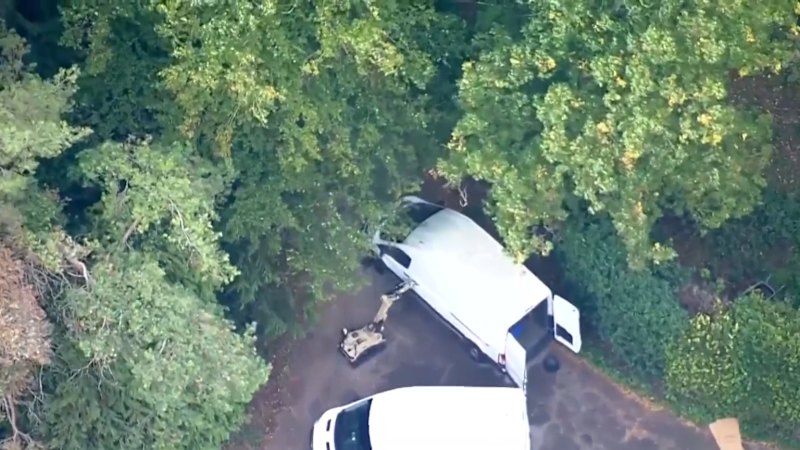
A midnight phone call from a vigilant local farmer upended life around a critical British military installation. Five men were detained, bomb disposal robots scanned abandoned vehicles, and headlines blared about an active terrorist threat near RAF Fairford. Yet, when the smoke cleared and forensics finished picking through the vans, the reality was stark. No explosive devices existed.
Police confirmed that forensic sweeps of the three suspicious vans found quantities of petrol, but zero improvised explosive devices or actual bomb-making hardware. The discovery shifted the entire narrative surrounding the high-stakes security alert, leaving investigators scrambling to figure out what these suspects were actually planning.
How a Late-Night Drive Triggered a Major National Security Incident
The operation kicked off around 12:45 a.m. on a Sunday in late September. A local farmer driving home spotted three vans blocking a rural route near RAF Fairford in Gloucestershire. Several men, some wearing balaclavas, scattered on foot the moment her headlights swept across them. Her immediate 999 call set off a lightning-fast emergency response.
Armed officers and counterterrorism units flooded the area. They tracked down and arrested five men from London, aged between 23 and 25, under suspicion of terror-related offenses. RAF Fairford, a strategic forward operating base utilized by the United States Air Force, was already operating under elevated security protocols following general threats.
Bomb disposal units deployed remote-controlled robots to examine the abandoned vans safely. While technicians recovered fuel containers, they found no detonators, no timers, and no high explosives.
Why the Threat Remained Real Despite Zero Bombs
Finding no hardware didn't mean the danger evaporated. Counterterrorism detectives faced a complex puzzle. Petrol alone makes an effective incendiary tool when paired with basic delivery mechanisms. Investigators immediately began examining multiple lines of inquiry, including potential connections to hostile state actors.
Intelligence agencies have tracked a sharp uptick in foreign interference operations across Europe. British officials reported that national security cases involving hostile state activity jumped by roughly fifty percent over a recent six-month period. Rumors and early speculations pointed toward possible links to Iran, though officials emphasized that no official state connection had been definitively proven, and Iranian representatives strongly denied involvement.
The incident highlights a modern security dilemma. Terror plots no longer require sophisticated military-grade ordnance to cause massive disruption. Low-tech setups involving readily available materials like fuel, paired with reconnaissance near sensitive defense sites, pose unique challenges for law enforcement agencies trying to intercept threats before they materialize.
The Immediate Fallout and What Happens Next
All five suspects were subsequently released on bail while counterterrorism inquiries continue. That decision frustrated local residents and observers who expected prolonged detention given the heavy initial police footprint. However, British legal thresholds require concrete evidence or charges to extend custody, and forensic analysis takes time.
If you live near critical infrastructure or follow national security trends, this case serves as a stark reminder of how quickly routine vigilance can transform into an active crisis. Security forces rely heavily on public reporting. That single phone call from a driver with high beams prevented an unmonitored crew from lingering near a high-value defense installation.
Expect heightened patrols around major air bases to persist. The absence of explosives in these specific vans closes one chapter of the investigation, but the broader hunt for coordination, intent, and potential co-conspirators is just getting started. Stay alert to official updates rather than unverified online panic as the forensic evidence is fully processed.