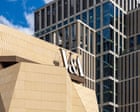
Half term visitors to the Victoria and Albert Museum just dodged a bullet. Plans for a disruptive industrial walkout across several London sites have been put on hold after museum management put a fresh financial package on the table.
Staff represented by the Prospect and Public and Commercial Services unions had voted overwhelmingly to walk off the job. The industrial action threatened to slam shut the doors of the main South Kensington galleries, V&A East in Stratford, the V&A Storehouse, and the Young V&A. Instead of locked gates and canceled family workshops, visitors will find galleries fully operational while last-minute negotiations take place through the Advisory, Conciliation and Arbitration Service.
This standoff isn't just about headline salary numbers. It highlights a widening chasm between cultural prestige and front-of-house operational realities.
What Sparked the Crisis
The friction began months ago. Workers weren't simply fighting over standard annual increments. They raised serious concerns about basic workplace dignity during extreme weather events, including inadequate hydration provisions and severe heat inside galleries. Reports of subpar meal options at east London locations further inflamed tensions.
Beyond workplace conditions, the core economic demands were clear. Unions pressed for a 4% pay adjustment for staff earning above the living wage floor, full accreditation as a London living-wage employer across all outsourced positions within twelve months, and time-and-half compensation for working bank holidays.
Museum directors pointed to existing mitigation strategies, noting that past heatwaves prompted extra rest breaks and targeted gallery closures during peak temperatures. Yet, union leadership argued that band-aid fixes ignored systemic wage compression.
The Numbers on the Table
The updated proposal from V&A leadership offers an average 4.18% pay bump, alongside a more substantial 6.9% increase targeted at the institution's lowest-earning employees. Management also adjusted bank holiday rates to time-and-a-half, introduced a sector-leading bonus scheme, and promised subsidized dining options across all operational sites.
While union representatives from Prospect and PCS agreed to suspend the planned walkouts to enter Acas-facilitated talks in good faith, significant ideological gaps remain. Trade union officials previously criticized high-profile leadership figures, including museum director Tristram Hunt, for perceived detachment from frontline grievances.
Furthermore, debates persist regarding outsourced labor. While the main institution states its direct staff meet the London living wage threshold—currently standing at £15.45 an hour—questions linger regarding auxiliary contractors. Institutions like V&A Dundee operate under fully accredited living-wage frameworks, leaving London workers demanding parity.
What Happens Next
For now, travelers and families can book half term trips without second-guessing their itineraries. All permanent exhibitions, free displays, and seasonal programs remain open, though officials advise checking online for any lingering schedule adjustments.
The suspension of the walkout buys both sides breathing room, but the underlying tensions in Britain's cultural sector remain unresolved. As cultural institutions balance post-pandemic financial recovery with rising urban living costs, the pressure on public-facing staff will only intensify. The coming weeks of arbitration will determine whether this temporary truce turns into a lasting settlement or merely postpones the inevitable clash.


