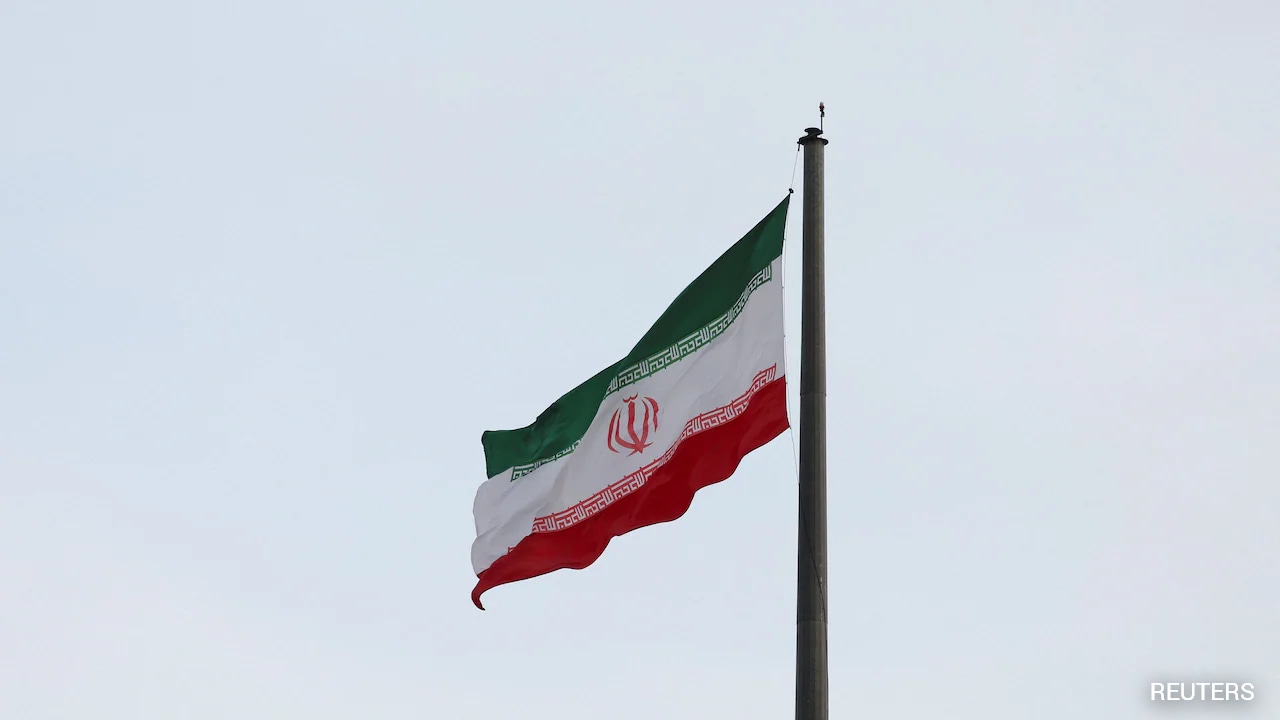
Eight months is a lifetime in active warfare. While Western media barely blinked after the initial shock of the February strikes that wiped out top leadership, Tehran spent over half a year running its military apparatus without a confirmed defence minister. That changed when the Iranian parliament voted heavily in favor of Mehrdad Akhlaghi, handing him the reins of a battered yet defiant armed forces logistics machine.
If you're wondering how Iran managed to keep its missile batteries functioning and supply chains running without a designated minister for eight months, the answer lies in bureaucratic depth. Akhlaghi isn't some fresh face drafted from academia or a political outsider. He brings a 42-year track record inside the defence apparatus and previously headed the Iranian Defence Industries Organisation since 2013. When you look at his resume, his overwhelming confirmation by 237 out of 277 votes in the Islamic Consultative Assembly starts to make sense. Parliament needed a steady, seasoned bureaucrat who understands industrial production and procurement lines, not necessarily a flashy battlefield commander.
What Akhlaghi's Appointment Means for Regional Escalation
You have to look past the political theatre in Tehran to see what this actually signals. The ministry isn't just about troop morale or general strategy. It controls the logistical backbone that builds ballistic missiles, drones, and naval hardware. Akhlaghi has direct experience in that exact engine room. In fact, the United Nations flagged him way back in 2007 over nuclear and ballistic missile program links.
His appointment comes right on the heels of stark warnings issued to Washington. Akhlaghi didn't waste time after his nomination, warning of enormous potential damage to American assets if the ongoing conflict widens further.
People often get confused about how power actually flows within Iran's military structure. The defence minister doesn't dictate high-level geopolitical strategy on their own. That power sits firmly with the Supreme National Security Council and senior Islamic Revolutionary Guard Corps commanders. But the minister has to keep the factories humming while under heavy sanctions and active military bombardment. That's why a career insider like Akhlaghi got the job. He knows where the spare parts are, how to bypass trade restrictions, and how to keep production lines moving when supply chains are fractured.
The Reality of Running a Wartime Ministry
Let's be realistic about the challenges facing Iran's new defence leadership. Running military logistics during a direct conflict with Western forces is an absolute nightmare. Factories face constant threat, cyber attacks target critical infrastructure, and international shipping lanes are locked down or heavily monitored.
Akhlaghi admitted as much before his confirmation vote, noting that he is taking over at a uniquely sensitive historical juncture. He stressed the need for an accurate understanding of the operational environment and preparedness for multiple futures. Those aren't just empty political buzzwords. They reflect the hard reality of a state trying to sustain a protracted asymmetric campaign against technologically superior adversaries.
Look at how the position remained vacant for eight months following the death of Aziz Nasirzadeh in the February 28 strikes. That vacuum showed severe internal friction and disruption at the highest levels of the Iranian state. Filling the seat now doesn't mean the internal pressure has vanished. It means Tehran has finally stabilized its administrative core enough to assign formal accountability to someone who knows the industrial side inside and out.
Keep a close eye on weapon production rates and regional proxy resupply lines over the coming months. If Akhlaghi's four decades inside the military-industrial complex mean anything, it's that domestic manufacturing will remain Iran's primary shield and sword. The diplomatic channels remain dead. The factories are working overtime. And the new minister is already locked into a confrontation that shows zero signs of cooling down.