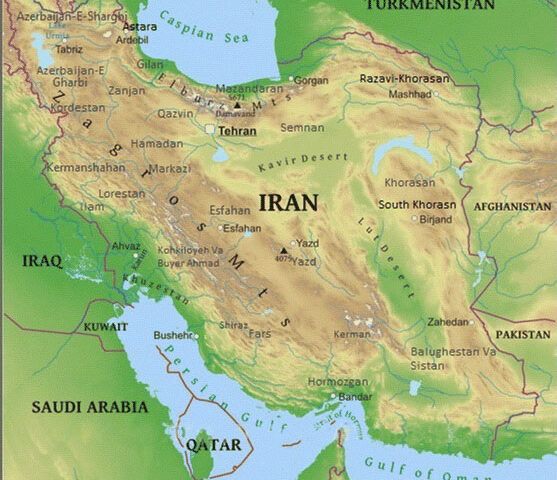
Iran isn't blinking. The closure of the Strait of Hormuz and Tehran's flat rejection of diplomatic talks until Washington meets its strict conditions mark a sharp, dangerous escalation in global energy security and geopolitics. Iranian Parliament Speaker Mohammad Bagher Ghalibaf made it crystal clear that Tehran has laid out its absolute demands through intermediaries. Until those terms are met, the waterway stays shut and the old negotiation table remains empty.
If you are wondering why this specific shipping route matters so much, the answer is simple. Millions of barrels of global oil move through this narrow choke point every single day. When traffic stops or gets redirected, energy markets panic, supply chains fracture, and prices spike worldwide.
What Tehran Actually Wants
You cannot understand this standoff without looking at Iran's core demands. According to security chief Mohsen Rezaei and other officials utilizing Qatari mediation, Tehran's non-negotiable list includes three major actions from the United States.
First, Iran demands an immediate end to hostilities on all fronts. Second, Washington must lift the naval blockade that US Central Command forces have actively enforced, which recently included redirecting 109 commercial vessels. Third, frozen Iranian funds must be released back to the country.
Washington has taken a radically different approach. President Donald Trump has warned Tehran of massive consequences if its behavior doesn't change, while simultaneously teasing a potential opening for talks with Iranian President Masoud Pezeshkian on the sidelines of the UN General Assembly in New York. Tehran's leadership views these mixed signals with deep suspicion. They refuse to sit down while American warships enforce a tight economic squeeze on their ports.
The Military Posture on the Ground
Diplomacy has hit a brick wall, and the military rhetoric is matching the hostility. Iran's Khatam al-Anbiya Central Headquarters issued a stark warning through state media. Any renewed US military action will be met with continuous, effective, and painful attacks targeting American bases and interests across the entire region.
Tehran also sent a direct warning to neighboring countries. Any regional state that lends support to a US military operation will instantly be treated as a direct participant in the aggression. This puts surrounding nations in an impossible diplomatic vice. They rely on open shipping lanes, yet they fear becoming collateral damage in an open conflict.
Meanwhile, the US military isn't scaling back its presence. CENTCOM forces continue enforcing the blockade that resumed on July 14, targeting maritime traffic entering and leaving Iranian ports. Commercial vessels are rerouted daily to maintain total compliance, adding thousands of miles and massive operational costs to shipping companies.
What Happens Next
The global economy is paying the price for this stubborn stalemate. Energy traders are watching the UN General Assembly meetings closely, hoping for an unexpected diplomatic breakthrough. But given Ghalibaf’s hardline stance, a quick fix is virtually impossible.
Iran wants structural concessions before it even steps into a meeting room. Washington wants compliance before it eases economic pressure. Neither side is willing to lose face. Keep your eyes on regional shipping insurance rates and emergency oil reserves, because this confrontation won't resolve itself anytime soon.