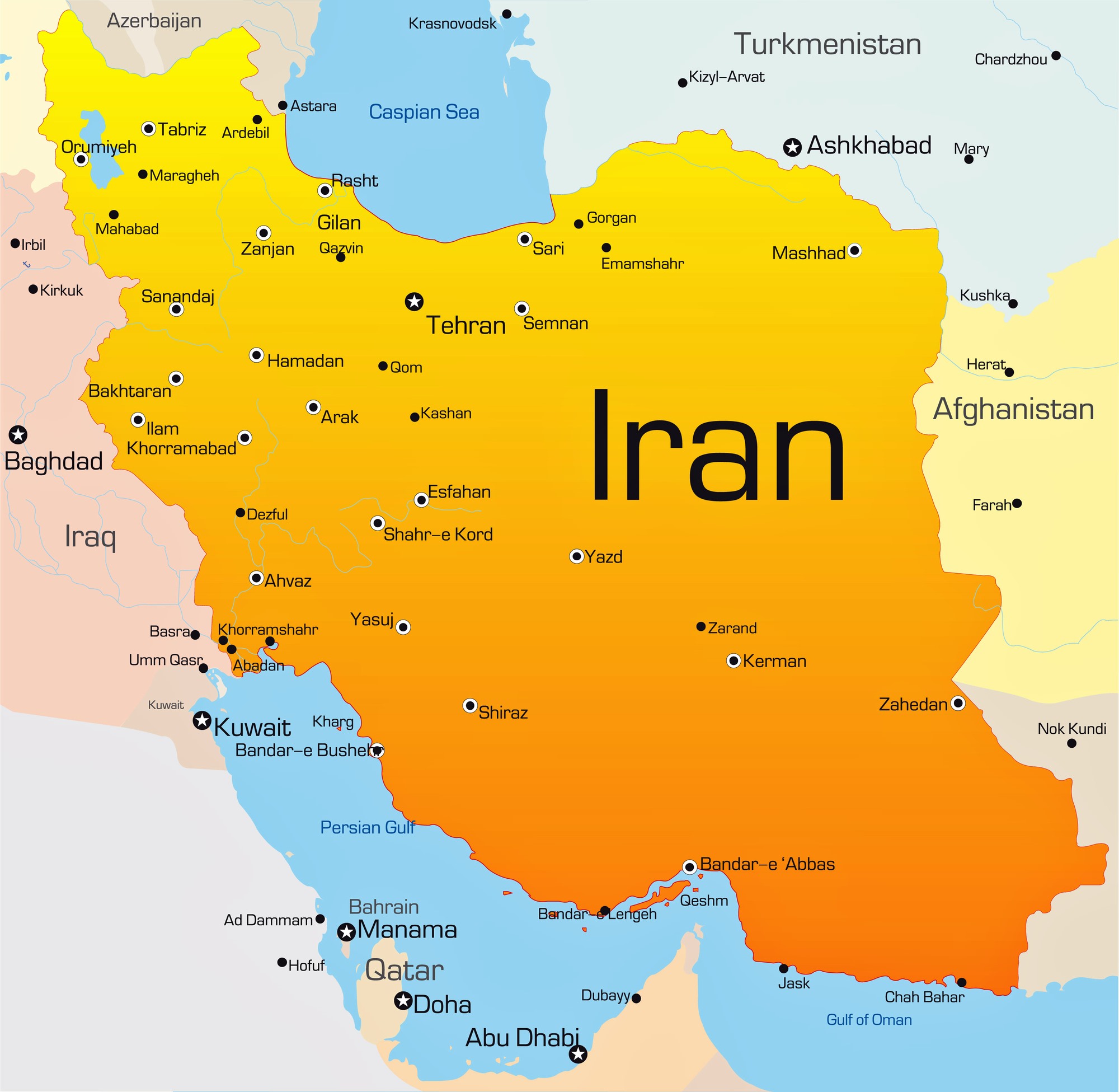
Tehran wants a different kind of war. Recent intelligence assessments indicate that Iran is working to tie its regional allies together for a synchronized campaign against Israel, moving past the fragmented playbook of the past.
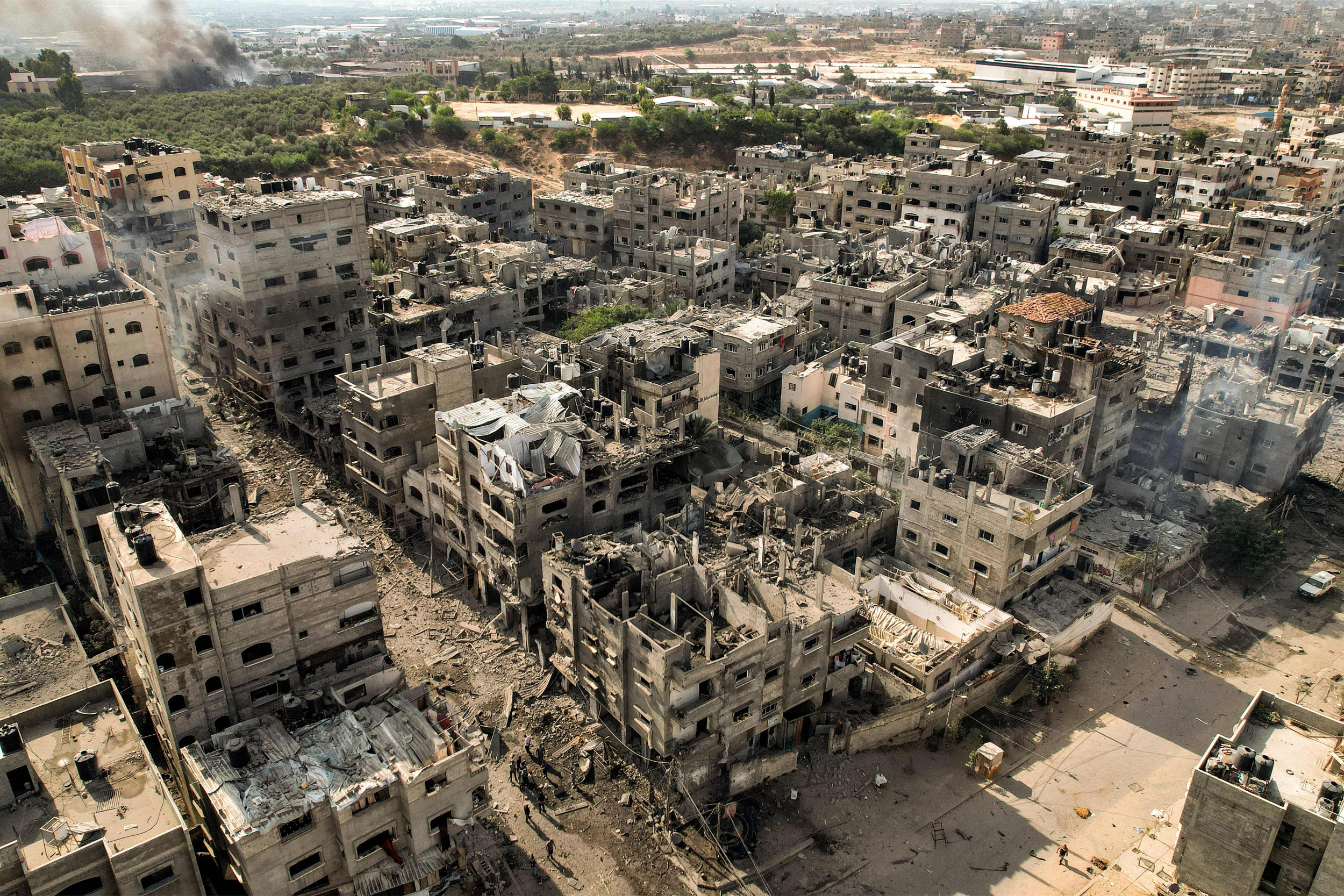
If you look closely at how recent conflicts played out, a major flaw stood out for the Iranian leadership. When Hamas launched its assault on October 7, 2023, the operation took Israel by surprise. Yet, it didn't trigger the immediate, massive regional conflagration that figures like Yahya Sinwar originally envisioned. Hezbollah opened its own northern front a day later, and other groups joined piecemeal over months. That delay allowed Israel to shift its military focus, manage different theaters sequentially, and absorb the blows without collapsing under simultaneous pressure.
Now, intelligence reports from Israeli agencies and regional media outlets point to a strategic pivot. Tehran's elite Islamic Revolutionary Guard Corps Quds Force is reportedly pushing for genuine synchronization from day one. Instead of separate factions fighting on separate timelines, the emerging objective is a coordinated multi-front assault involving Hezbollah in Lebanon, Hamas in Gaza, the Houthis in Yemen, and various allied militias operating across Iraq.
Fixing the Coordination Gap
The core lesson Tehran took from the aftermath of October 7 is simple: surprise alone isn't enough if your allies aren't moving at the exact same time. Seized documents and post-conflict analyses have shown that while high-level ambitions for a regional war existed, the communication mechanisms and advance planning across different borders lacked the tight operational integration needed for a true simultaneous onslaught.
To fix this, senior Iranian commanders have reportedly stepped up direct contacts with proxy leadership. Recent months have featured conference calls, on-the-ground advisory support, and joint training sessions designed to iron out operational bottlenecks. The focus centers on rebuilding and protecting depleted drone and missile arsenals while standardizing communication channels so that future military action happens in unison rather than sequence.
The Shifting Landscape of Regional Alliances
The composition of Iran's network has also undergone noticeable shifts. Years of heavy fighting and targeted Israeli operations have taken a toll on Hezbollah's infrastructure, while political changes in Syria have altered supply routes and safe havens.
Because of these pressures, the weight of the axis is shifting outward. The Houthis in Yemen have proven their capability to launch long-range missiles and drones across vast distances, increasingly acting as an independent strike arm rather than a local nuisance. Meanwhile, militias in Iraq provide an eastern vector that can complicate Israeli air defense planning. By elevating the roles of these secondary players and tying them directly to older partners like Hamas and Hezbollah, Iran hopes to create a more resilient network.
What a Simultaneous Campaign Means
Stretching a modern military across multiple directions changes the calculus entirely. Israel's advanced air defense systems, including Iron Dome, David's Sling, and Arrow platforms, excel at intercepting incoming threats when they arrive in manageable waves. A truly synchronized campaign featuring hundreds of drones, rockets, and missiles launched concurrently from Lebanon, Yemen, Iraq, and Gaza would aim to saturate those defenses, forcing difficult choices about where to allocate interceptors.
At the same time, executing this kind of grand strategy carries massive risks for Tehran and its partners. Coordination requires complex communications, and electronic signatures or intelligence leaks can easily tip off adversaries before an operation launches. Furthermore, bringing all fronts into a single active war means every member of the network absorbs the full retaliatory might of the Israeli military at once, leaving little room for safe rear areas or diplomatic breathing room.
Whether this operational blueprint moves from paper to reality depends heavily on how well these groups can rebuild their depleted stockpiles and withstand ongoing counter-operations. What remains clear is that Tehran views synchronization as the missing ingredient for its future regional posture.
Iran Prepares Massive Israel Assault? Multi-Front Proxy ...
This video provides additional context and visual analysis regarding how Iran's Quds Force is attempting to coordinate its regional network for potential simultaneous operations.
http://googleusercontent.com/youtube_content/1