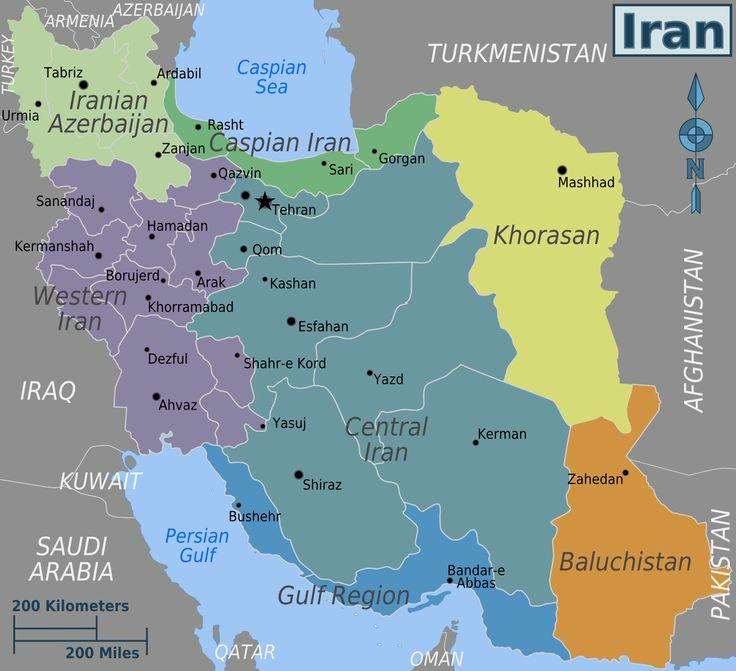
The Strait of Hormuz isn't just a narrow shipping lane; it's the jugular vein of global energy supply. When Tehran decides to squeeze it, the shockwaves hit energy markets within hours.
The latest flashpoint involves a direct warning from Iran's Persian Gulf Strait Authority (PGSA) aimed squarely at South Korea’s Sinokor Merchant Marine. Starting November 1, Iran plans to take enforcement and legal action against every single vessel tied to the company. If you think this is just local political theater, look closer at the numbers. This escalation changes the risk calculus for every barrel of oil moving out of the Middle East.
Why Sinokor Became the Primary Target
You don't get singled out by state regulatory bodies without making a massive footprint. Sinokor has spent the past year executing an aggressive purchasing spree, acquiring dozens of Very Large Crude Carriers (VLCCs) and building a massive operational presence.
Data from maritime intelligence firms reveals that Sinokor-managed tankers handled nearly half of all VLCC transits through the Strait of Hormuz during parts of September and October. In September alone, their vessels moved over 100 million barrels of crude—eclipsing the combined volume of several major national shipping lines.
When a single private entity dominates a chokepoint of that magnitude, it becomes an unavoidable focal point. The PGSA claims that Sinokor vessels racked up the highest number of crossing and navigation violations over a three-month window, pointing to prior incidents involving ships like the Cyprus Prosperity, Ghana Prosperity, and Angola Prosperity.
The Broader Geopolitical Chess Match
This isn't happening in a vacuum. Since military clashes involving US and Israeli air strikes began earlier in the year, Tehran has leaned heavily on maritime pressure to gain leverage against Washington and disrupt regional oil flows.
By putting a target on a major South Korean operator, Iran is sending an unmistakable signal to international cargo owners, insurers, and charterers. The PGSA's blanket warning states that any stakeholder or insurance provider tied to Sinokor's fleet faces direct consequences. It shifts the pressure from vague security risks to concrete regulatory and operational blockades.
Meanwhile, the United States has maintained a naval blockade targeting vessels linked to Iran, forcing energy producers to find workarounds. Tanker operators have increasingly relied on "dark transits"—switching off tracking transponders to slip through the strait undetected. But you can't easily hide a fleet the size of Sinokor's.
What This Means for Global Energy Markets
When major shipping lines face state-backed threats in high-risk zones, insurance premiums skyrocket. Shipowners hesitate, crews push back against hazardous routes, and charter rates fluctuate wildly.
If you're watching global supply chains, watch how Asian importers react to this November deadline. South Korea and other regional buyers depend heavily on uninterrupted crude flows through Hormuz. When the largest operator in the lane gets crosswise with regional authorities, the cost gets passed down the line.
The chokepoint is tightening, and the margins for error are shrinking fast.