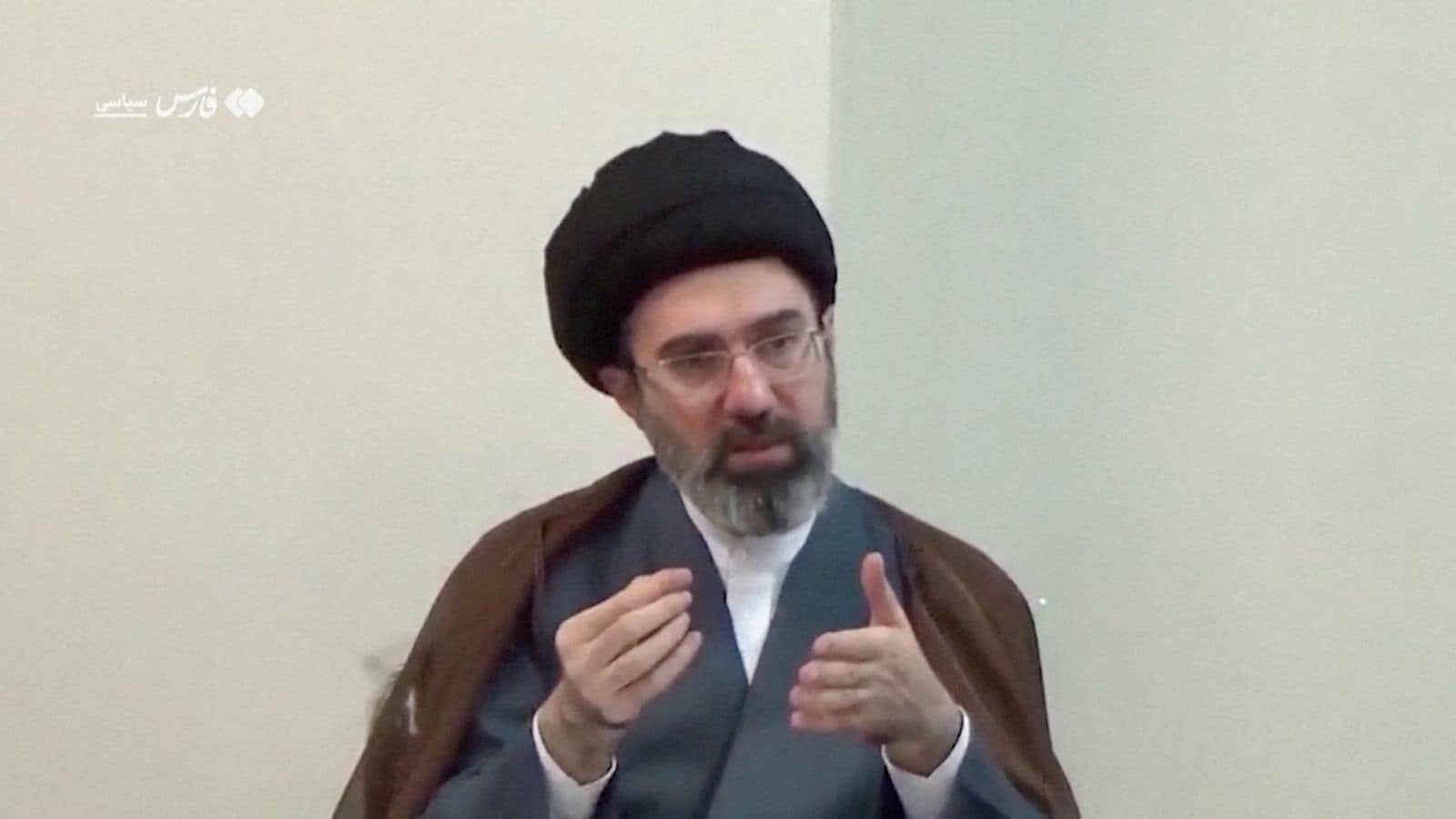
Regional dynamics in West Asia are shifting under the weight of active conflicts, economic sanctions, and strategic realignments. Iran's Supreme Leader Ayatollah Mojtaba Khamenei recently issued a written statement directed squarely at Gulf Arab monarchies. Published via his official Telegram channel during Islamic Unity Week, the message demands that neighboring nations look past historic disputes and identify what Tehran terms their true adversaries.
The Core Message Behind the Letter
Khamenei’s appeal calls for collective defense, regional cooperation, and immediate Muslim solidarity. Published to mark the birthday of the Prophet Muhammad, the statement specifically asks regional governments whether external powers manipulate local vulnerabilities.
- Identify the primary adversary and study its strategic blueprints.
- Recognize that internal fractures directly benefit external competitors.
- Build independent regional security frameworks without relying on outside intervention.
The supreme leader has remained out of direct public view for months following injuries sustained during initial U.S.-Israeli airstrikes that also claimed the life of his father, former leader Ayatollah Ali Khamenei. Despite his absence from public platforms, his communications carry significant weight as Tehran navigates a punishing economic blockade and shrunken foreign trade volumes.
Navigating Deep Historical Tensions
For decades, Gulf Arab states viewed Iran's revolutionary posture with intense suspicion. Monarchies across the Persian Gulf built security partnerships heavily reliant on Western backing, specifically looking to Washington for ultimate deterrence. However, recent escalations, direct strikes on regional infrastructure, and severe economic friction have forced a reevaluation of these traditional alignments.
When Tehran points fingers at external actors, it attempts to drive a wedge between Gulf capitals and their Western defense partners. Yet, neighboring states remain wary. Countries like Saudi Arabia, Turkey, and Pakistan have recently pursued independent defense agreements, such as mutual pacts designed to establish collective deterrence without locking themselves entirely into a single superpower's orbit.
Economic Pressures and Diplomatic Realities
Iran faces massive domestic hurdles. U.S. sanctions and naval restrictions have choked off key trade routes, hammering the local economy and fueling inflation. Iranian leadership recognizes that shouting anti-Western rhetoric alone will not fix domestic grocery prices or stabilize employment. Foreign Minister Abbas Araqchi has engaged in intensive backchannel diplomacy with neighbors like Oman, Qatar, and Pakistan to open new economic corridors and manage strategic chokepoints like the Strait of Hormuz.
When Mojtaba Khamenei asks whether local lands would have faced such severe threats if regional powers stood unified, he touches a nerve among populations sympathetic to regional stability. Still, bridging the gap between Tehran's security demands and the defensive architecture of Gulf monarchies requires far more than open letters.
Watch Iran's Supreme Leader Calls on Gulf Rulers to Unite Against Real Enemy to see the broadcast coverage detailing Mojtaba Khamenei's direct appeal to regional governments.
http://googleusercontent.com/youtube_content/1