Diplomacy rarely happens under bright television lights. It happens in hotel corridors, through intermediaries, and via whispered messages swapped while official statements claim talks are dead.
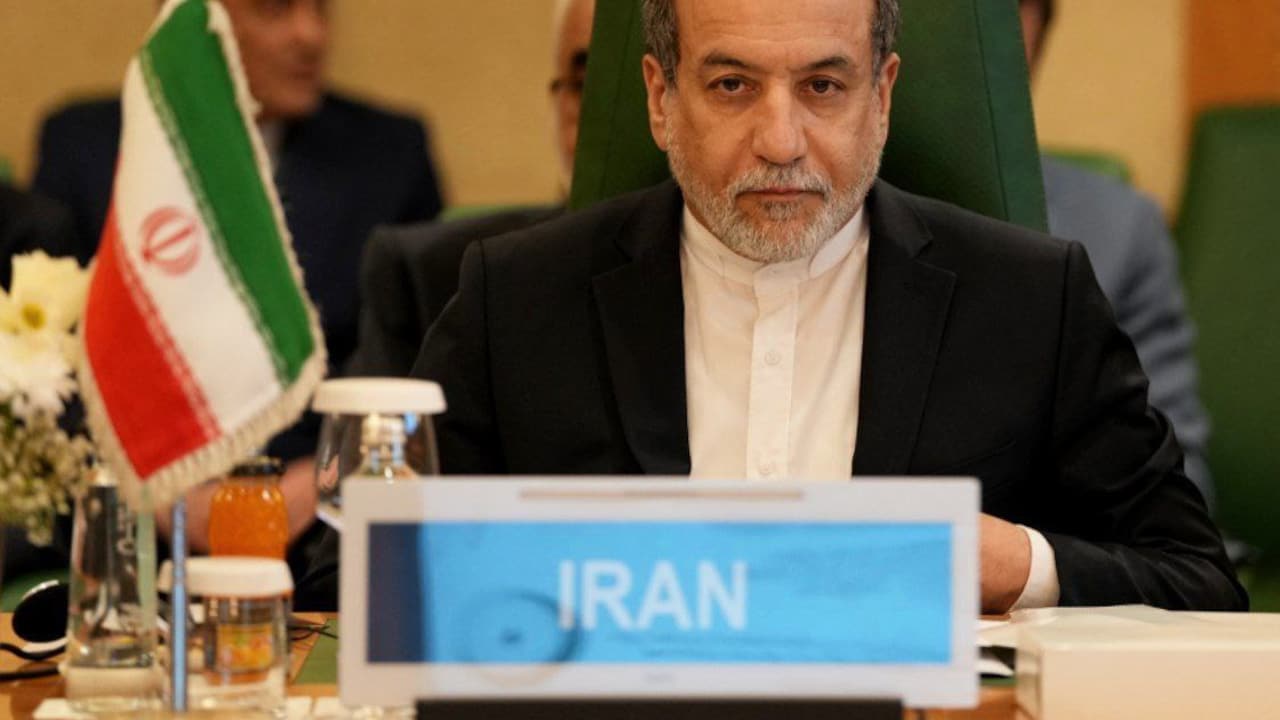
Iranian Foreign Minister Abbas Araghchi sat down with Qatari mediators in New York. The agenda is simple. Tehran wants to figure out if Washington will actually budge on the blocked Strait of Hormuz.
If you look past the public posturing from Washington and Tehran, a quiet scramble is underway to salvage global energy shipping lanes. Donald Trump publicly rejected Iran's initial proposal, yet signals suggest backchannels remain wide open. Here is what is really happening behind the diplomatic curtain.
The Strait Of Hormuz Chokepoint
Everything comes down to water. Before the conflict began, a massive chunk of the world's petroleum and liquefied natural gas flowed through the Strait of Hormuz.
Iran choked off that shipping route after US and Israeli strikes hit Iranian territory in late February. Washington hit back by clamping down on Iranian ports. Global markets felt the squeeze almost instantly.
Tehran laid down seven strict conditions to reopen the passage. They want a regional ceasefire spanning Lebanon and other conflict zones, the unfreezing of billions in foreign assets, the total lifting of oil sanctions, and an end to the US naval blockade.
Washington balked. Trump called the initial terms unacceptable. But behind the scenes, Qatari envoys are working overtime to bridge an enormous trust gap.
Why Qatar Holds The Cards
Acting as a neutral diplomatic bridge is exhausting work. Qatar does it constantly. Doha has earned a reputation for keeping communication lines open when official embassies shut down.
Last week's indirect discussions involved US envoys Steve Witkoff and Jared Kushner talking with Araghchi via Qatari intermediaries. State news agency IRNA claimed the Iranian delegation had packed its bags to return to Tehran without scheduling further meetings, but reality on the ground moves faster than press releases.
Diplomatic pressure from energy-importing nations is immense. You cannot keep twenty percent of the world's oil supply locked behind naval blockades forever without triggering severe global economic fallout. Araghchi's meeting with Qatari mediators shows Tehran is willing to listen, provided the price is right.
What Happens Next For Energy Markets And Diplomacy
Trading desks are watching every single word coming out of New York. A sudden breakthrough could flood markets with energy supplies and drop crude prices overnight. A total breakdown means continued military tension in the Persian Gulf and sustained high shipping insurance costs.
Don't expect a sudden handshake photo op. Real negotiations in high-stakes conflicts usually stumble forward through denials, rejected drafts, and last-minute tweaks. Araghchi is heading back to Tehran, but the Qatari channel stays open. Watch what tankers do in the Persian Gulf over the next week rather than listening to the political spin. Real movement shows up in maritime traffic long before it hits the news ticker.