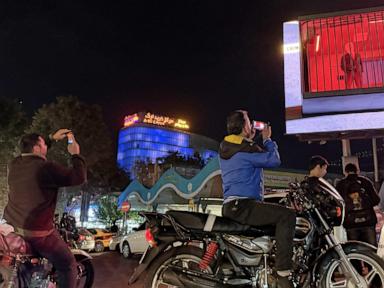
You can feel the tension in Tehran right now. Streets once filled with routine morning traffic carry a quiet, heavy dread. As the U.S. and Israeli elections draw closer, ordinary citizens aren't debating politics like sports fans. They're stocking up on canned goods, hunting for dwindling medical supplies, and wondering if the brief lull in fighting is just the quiet before a much worse storm.
If you look past the geopolitical headlines, the reality on the ground is stark. People aren't waiting for diplomats to save them. They're preparing for impact.
The Anxiety Behind Closed Doors
Months after the initial wave of strikes left residential buildings scarred and thousands dead, the psychological wounds haven't healed. Now, renewed threats from Washington and Tel Aviv have reignited panic. U.S. officials talk about finishing the job, while an expanding naval buildup moves closer to the Middle East.
Families are responding in practical, desperate ways. In grocery stores across the capital, staples like rice and cooking oil disappear quickly as shoppers try to stay ahead of skyrocketing inflation. Some residents are packing bags to escape to northern towns, convinced that major cities will become primary targets the moment votes are cast overseas.
Inflation has completely dismantled household purchasing power. When a basic supermarket run can wipe out half of a mid-range monthly salary, buying extra bags of flour or dried dates isn't hoarding—it's survival.
Economic Warfare and the Blockade
Tehran's leadership faces an aggressive economic siege. A tight naval blockade restricts the oil exports that keep the government afloat, sending the national currency to historic lows. overland transport routes face severe bottlenecks, choking off imported goods and driving up prices for everyday medicines.
Iranian officials call it economic warfare, plain and simple. Yet, political analysts point out that this pressure rarely yields the results foreign leaders expect. Instead of sparking a popular uprising that overthrows the government, heavy economic strain tends to harden public defiance or simply force citizens into survival mode.
When you're struggling to afford basic protein and keeping an eye on the sky, abstract political negotiations feel miles away. Past proposals to ease tensions and reopen regional waterways have stalled, leaving both sides locked in a stubborn standoff.
What the Upcoming Ballots Mean for Tehran
Voters in Israel and the United States are heading to the polls to express frustration over ongoing conflicts and domestic issues, but very few people inside Iran believe the outcomes will bring relief.
Political analysts in Tehran suggest that if hardline leaders maintain power in Israel, the probability of renewed, high-intensity conflict shoots upward. Prime Minister Benjamin Netanyahu’s willingness to take aggressive military risks leaves little room for diplomatic optimism. Meanwhile, potential shifts in the U.S. political landscape leave Iranian authorities preparing for aggressive military actions regardless of who wins.
For the average person on the street, foreign elections are just another unpredictable variable in an already dangerous existence. Whether it's a shopkeeper or a gym trainer, the consensus is grim. Hostility remains the default setting.
People want stability, but they've learned not to count on it. They keep their emergency bags packed, their pantries full, and their eyes fixed on the horizon.