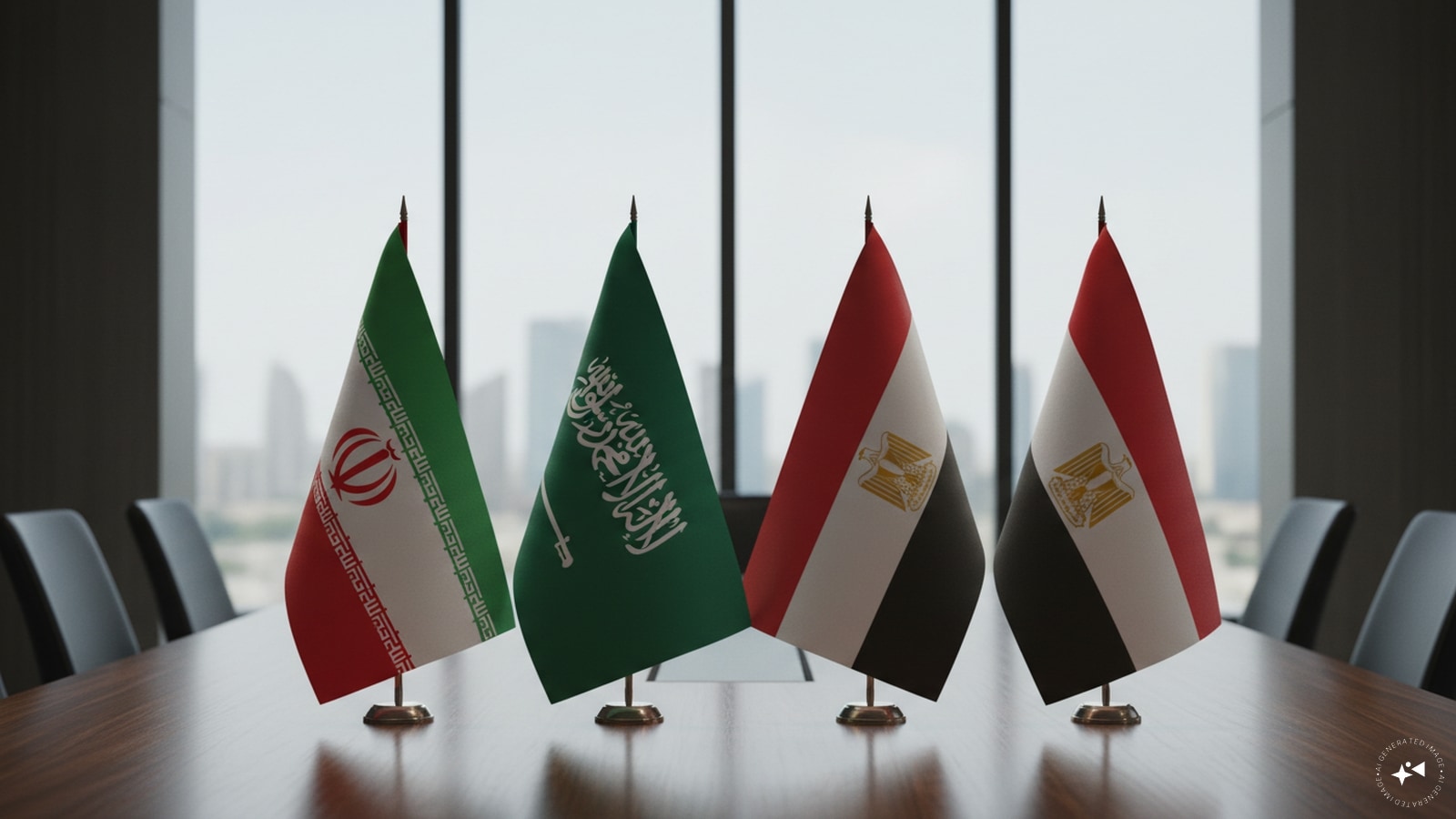
Geopolitical maneuvers in the Middle East often move at a glacial pace until a sudden crisis forces everyone's hand. Right now, Tehran's recent proposal to broker peace between Riyadh and Yemen's Houthi movement sits in diplomatic limbo. Iranian Foreign Minister Abbas Araqchi confirmed during a recent television interview with Iraq's Al Ekhbariya TV that neither Saudi Arabia nor the Houthis have taken up the offer.
If you're watching regional dynamics shift, this silence speaks volumes. It's not just about a lack of communication. It reveals deep-seated distrust, competing regional strategies, and the fragile nature of detente in the Arabian Peninsula.
The Context Behind the Silence
The mediation proposal didn't emerge in a vacuum. It follows a sharp escalation of Houthi strikes targeting Saudi territory earlier this month. Riyadh responded by intercepting incoming missiles and drones, while also seeking diplomatic and military reassurance from regional partners.
Into this volatile mix stepped Tehran, positioning itself as a neutral facilitator rather than an active belligerent. Iranian officials have consistently denied encouraging the recent Houthi attacks, arguing instead for a political settlement. Yet, neither Riyadh nor the Houthi leadership has rushed to accept Iran's services as an honest broker.
Why the cold shoulder? Saudi Arabia remains wary of Tehran's long-term intentions, especially given the history of proxy conflicts across the region. On the other side, the Houthis operate with a degree of operational autonomy that often frustrates external actors trying to speak on their behalf. They don't want to be viewed merely as an extension of Iranian foreign policy.
The Looming Threat of Outside Intervention
Complicating matters further is the specter of expanded foreign involvement. Speculation has grown regarding Egypt's potential role in supporting Saudi security against Houthi threats.
Tehran didn't mince words on this front. Araqchi warned that any foreign military intervention from Cairo or other external powers would only complicate an already messy conflict. Interestingly, Iran claims that Cairo previously assured Tehran it would not directly enter the fray in Yemen. Even so, Egypt has openly stated its readiness to provide Saudi Arabia with necessary defensive support, raising the temperature in an already overheated region.
What This Means for Regional Stability
The refusal to answer Tehran's mediation offer highlights the limits of current diplomatic frameworks in the Middle East. Everyone claims to want stability, but no one trusts their adversaries to deliver it.
Military solutions in Yemen have repeatedly proven futile, yet a negotiated settlement remains elusive when key players refuse to sit at the same table under Iranian oversight. As long as these diplomatic channels stay frozen, the risk of miscalculation remains high. One well-placed drone or intercepted missile could easily undo years of fragile regional diplomacy.
Watch the border regions closely. The real test won't be what diplomats say in televised interviews, but whether back-channel communications can bypass public posturing before the next escalation hits.
Iran Offers To Mediate Dialogue Between Houthis, Saudi Arabia
This video provides an overview of Iran's initial push to foster dialogue between Yemen's Houthi group and Saudi Arabia amidst escalating regional tensions.
http://googleusercontent.com/youtube_content/1