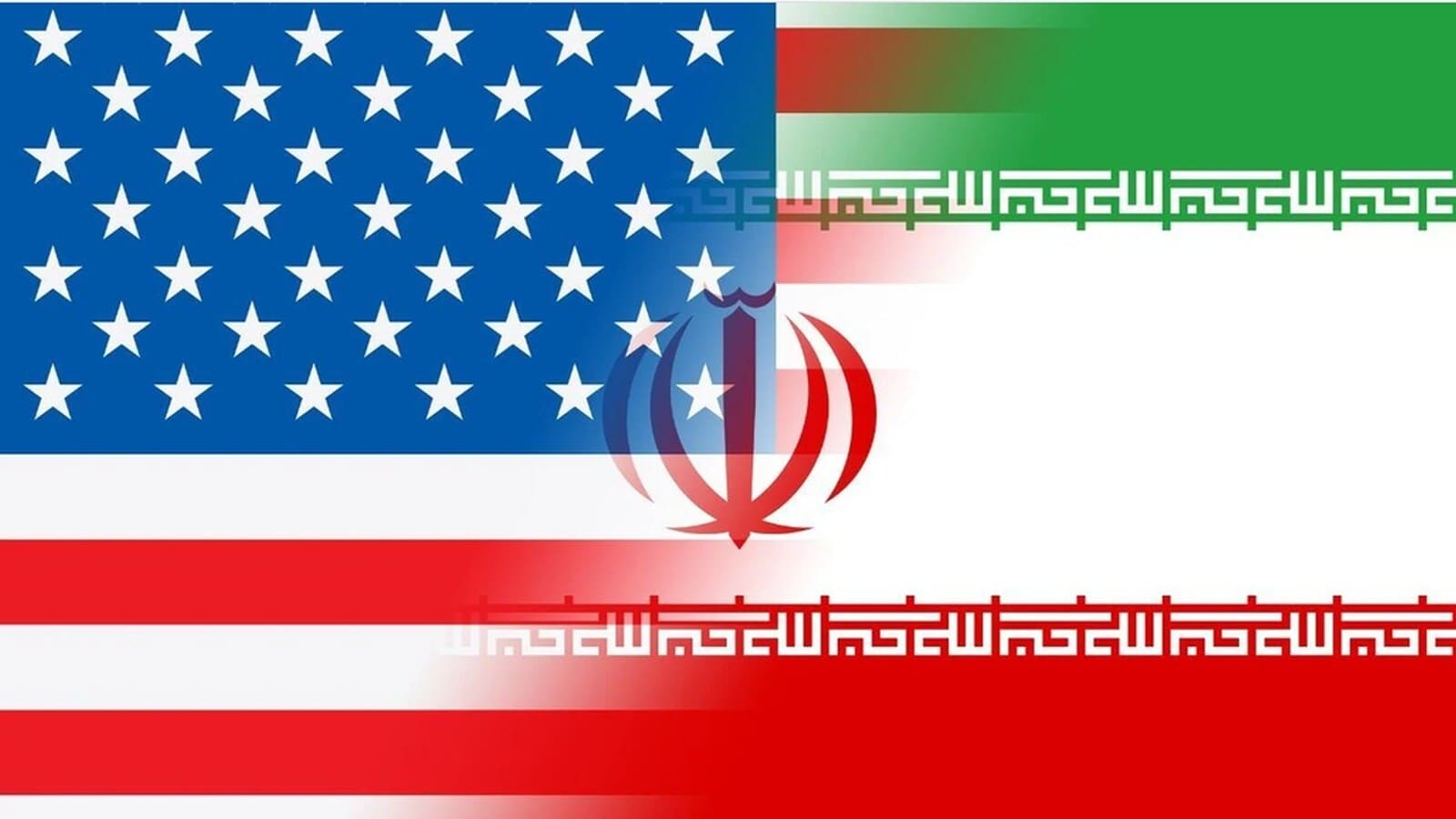
Washington just redrew the lines of regional travel. If you run an airport or deal in aviation fuel anywhere near the Middle East, you're suddenly forced to choose between doing business with Tehran or keeping access to global financial systems. Iraq didn't want to make that call, but it had no real choice.
All four major Iraqi airports hosting Iranian routes—Baghdad, Najaf, Erbil, and Sulaimaniyah—have completely halted flights to and from Iran. The shutdowns followed a harsh ultimatum from the United States Treasury targeting any international company or service provider that handles Iranian carriers.
When U.S. Treasury Secretary Scott Bessent announced that global aviation operations for Iranian airlines would face a hard stop, regional hubs scrambled. Washington's updated secondary sanctions threaten severe penalties for third-party companies servicing these planes. For Iraqi aviation authorities, keeping a handful of regional routes open isn't worth getting locked out of Western banking networks.
The Domino Effect Across Regional Hubs
Iraq wasn't isolated in this pivot. The United Arab Emirates, acting as the region's primary travel powerhouse, suspended Iranian carriers immediately. Oman, Azerbaijan, and Georgia followed suit. Turkmenistan even blocked its airspace for an Iranian flight, forcing a Tehran-to-Dushanbe service to turn around mid-air.
The strategy is aggressive. U.S. President Donald Trump labeled the policy shift "economic D-Day," signaling a campaign to ground Iran's entire civilian fleet worldwide.
For travelers who rely on these cross-border connections, the fallout is immediate. Pilgrims traveling between Iranian cities and Iraqi holy sites like Najaf and Karbala face cancelled itineraries and scrambled schedules. Travel agencies inside Iraq are already warning that the sweeping ban will hit local tourism revenue hard, especially given the heavy volume of religious and medical visitors moving across the border every week.
What Happens Next for Regional Travel
Tehran isn't taking the shutdown lying down. Senior Iranian officials have pushed back, warning that regional skies should be open to all or closed to everyone. Yet, harsh economic realities usually trump political rhetoric. When airport operators face catastrophic financial penalties, planes stay parked.
If you're planning travel through the region, don't rely on old schedules. Check directly with carriers before heading to any terminal in Baghdad or Erbil. The aviation landscape has shifted overnight, and international pressure is reshaping Middle Eastern transit corridors for the foreseeable future.