The legal reckoning for European citizens who joined the Islamic State has never been clean, simple, or comfortable. When courts in Baghdad hand down prison sentences ranging from fifteen to twenty years to French nationals, the shockwaves hit far beyond Iraqi courtrooms. They force Paris and other European capitals to confront an ongoing dilemma they would much rather ignore.
You see, these trials expose a glaring fracture in international law and counter-terrorism policy. While governments like France have long resisted repatriating adult nationals detained in Syrian camps run by the Kurdish-led Syrian Democratic Forces, foreign judiciaries are taking matters into their own hands. Let's look at what is actually happening behind the headlines.
The Reality of Trials in Baghdad
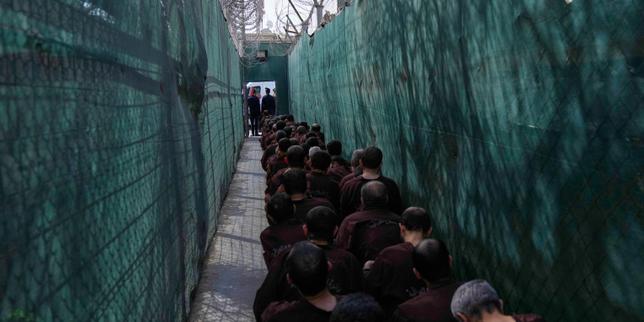
Iraqi courts operate under strict counter-terrorism statutes. Belonging to an organization like the Islamic State carries severe penalties, often capital punishment, though some defendants manage to secure prison terms instead. For the French nationals recently convicted, receiving fifteen to twenty years behind bars means they will spend a significant portion of their lives within the Iraqi penal system.
Human rights advocates frequently criticize these proceedings for moving too fast and lacking robust procedural safeguards. Defense attorneys point out that trials often rely heavily on confessions obtained under duress. Yet, Baghdad continues prosecuting foreign fighters because Western nations refuse to take them back en masse.
France has maintained a cautious, highly individualized approach to repatriation. Paris prefers taking back orphaned children or selective cases of vulnerable minors, while leaving adult fighters to face local justice. Critics call this outsourcing justice. Officials call it national security protection.
Why European Governments Hesitate
Bringing hardened ISIS fighters back to France opens a massive political and security Pandora's box. Prosecutors face enormous hurdles. Gathering admissible evidence from active combat zones like Syria and Iraq is notoriously difficult. Witnesses are scattered or dead. Digital trails are encrypted or destroyed.
If these individuals return home, the legal system must try them within strict constitutional bounds. Convicting them under French law requires airtight proof that can withstand rigorous appeals. If the evidence falls short, courts might hand down lighter sentences than the public expects—or worse, release individuals who still pose a radicalized threat.
Baghdad avoids these domestic political headaches entirely. Iraq suffered firsthand under the brutality of the caliphate. Its courts view prosecuting captured militants as a matter of immediate national sovereignty and justice for local victims. For Iraqi judges, foreign fighters who crossed international borders to join a terrorist group must answer directly to the legal system where their crimes were committed.
The Long-Term Consequences of Outsourced Justice
Relying on Iraqi courts to handle European jihadists creates an uncomfortable precedent. When European states wash their hands of citizens who radicalized and left, they dodge immediate domestic backlash at the cost of long-term legal accountability.
Prisons in Iraq face severe overcrowding and mounting criticism over human rights conditions. Housing European inmates there for decades shifts a heavy burden onto a country still rebuilding its infrastructure and stability. Meanwhile, families and defense lawyers continue pushing for repatriation, arguing that every citizen—regardless of their crimes—has a right to be judged by their home country's laws.
The rulings handed down in Baghdad are not isolated legal events. They represent a persistent failure of European nations to establish a unified, proactive strategy for dealing with the thousands of foreign fighters still languishing in detention camps across the Middle East. As long as Western capitals stall, foreign courts will continue writing the final chapter for citizens who chose to leave.
Take a hard look at how your government handles transnational crime and accountability. The bill always comes due eventually.