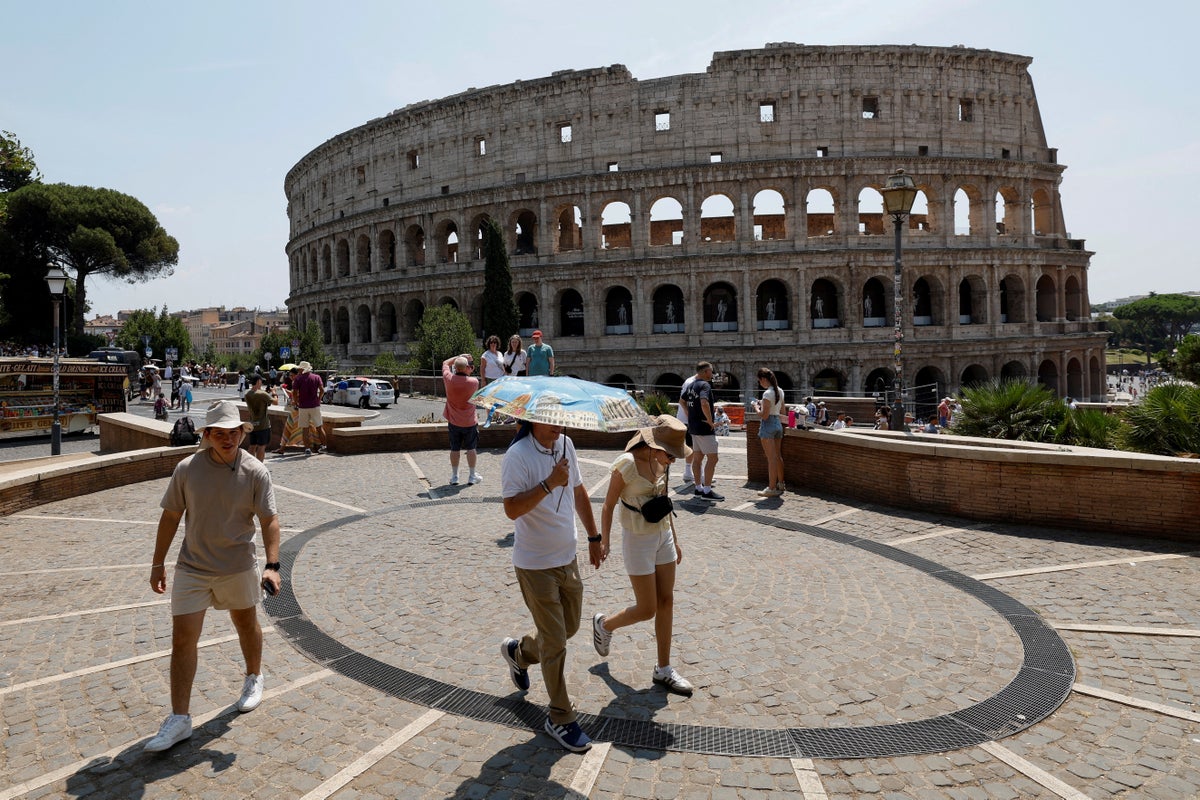
Thermometers are pushing past 42 degrees Celsius across parts of Italy, and the government has done something unprecedented. Every single major city monitored by the health ministry is now under a maximum red alert.
From Bolzano tucked in the northern alpine foothills down to Palermo on the sun-baked coast of Sicily, the message is clear. This isn't just standard summer weather. It's a widespread health crisis affecting healthy adults, not just the elderly or vulnerable.
If you are traveling through Italy right now or trying to navigate daily life under this fourth major heatwave of the season, normal routines have completely broken down.
Understanding the Nationwide Red Alert
When the Italian Health Ministry issues a red alert for a city, it means the heat is severe enough to threaten everyone. We are talking about prolonged high temperatures combined with intense humidity that prevents the human body from cooling down properly.
For the first time this year, all 27 monitored urban centers sit on the highest warning tier. This list includes tourist hubs and industrial powerhouses alike:
- Rome, Florence, Milan, and Venice
- Turin, Bologna, Genoa, and Naples
- Palermo, Cagliari, Bari, and Catania
In places like Bagnacavallo near Ravenna, temperatures recently spiked to a brutal 42.8 degrees Celsius. Meanwhile, central provinces like Terni have hovered right around 41 degrees Celsius, turning asphalt streets into literal ovens during peak afternoon hours.
How Cities Are Responding on the Ground
Local authorities are scrambling to keep people safe. You cannot simply tell millions of residents and tourists to stay inside for weeks on end, so cities are adapting with emergency local programs.
In Genoa, officials opened up museums and libraries with free entry for anyone aged 65 and over during the hottest hours of the day, giving seniors a refuge from stifling apartments. Rome extended its popular initiative providing free air-conditioned cinema screenings, turning movie theaters into makeshift cooling centers.
Tourists in historical centers are leaning heavily on public fountains, using umbrellas as parasols, and dodging direct sunlight between 11 in the morning and 6 in the evening. Even traditional outdoor events, like religious gatherings in Assisi, have involved emergency misting stations spraying water directly onto crowds to prevent widespread heatstroke.
The Hidden Danger Beneath the Heat
The real threat goes far beyond uncomfortable sightseeing. Prolonged drought conditions are choking the country's infrastructure.
The Piedmont region, centered around Turin, declared an official state of emergency due to collapsing river levels and surging wildfire risks. Italy's longest river, the Po, is measuring historic lows for this time of year, threatening agriculture and local water supplies. When rivers dry up and temperatures stay above 25 degrees Celsius overnight—creating what meteorologists call "super-tropical nights"—the entire ecosystem locks up.
Neighboring European countries are feeling the crunch too. In Hungary, authorities switched off decorative lights on iconic landmarks like the Chain Bridge and Buda Castle to conserve power, because the Danube River dropped so low that cooling systems at critical energy plants barely functioned.
Practical Survival Steps If You Are There
If you are currently in Italy or planning an immediate trip, throw out your usual itinerary. You have to treat the afternoon sun with absolute respect.
- Hydrate aggressively: Drink at least 1.5 liters of water minimum, but steer clear of heavy alcohol, caffeine, and sugary sodas that accelerate dehydration.
- Shift your schedule: Do your walking, transit, and exploring early in the morning. Lock yourself indoors during the harsh window between 11:00 AM and 6:00 PM.
- Seek air-conditioning deliberately: Map out local grocery stores, museums, or public buildings with climate control. Do not assume standard Italian cafes or older accommodations will have powerful AC units.
The heat isn't breaking anytime soon. Protect yourself, stay updated on local civil protection alerts, and treat the afternoon hours like a severe weather lockdown.


