Tensions in East Asia are hitting a boiling point, and the rhetoric coming out of Beijing's latest security gathering leaves no room for sugarcoating. If you watch how regional superpowers talk to each other, you'll notice they rarely speak directly. Instead, they use stages like the Beijing Xiangshan Forum to send coded missiles. This time, the target was painfully obvious. Chinese defense officials and strategic experts used the high-profile conference to throw heavy punches at Tokyo, warning against what they see as a dangerous march back toward remilitarization.
Why does this matter right now? Because Tokyo is quietly rewriting the rules of its post-war defense posture. Reports suggest Japan might hike medium-term defense spending anywhere from 3 to 3.5 percent of its gross domestic product. For a country historically bound by a pacifist constitution, that shift is seismic.
When you look past the diplomatic handshakes at the Xiangshan Forum, the core anxieties of Chinese strategists become clear. Speakers at the event didn't hesitate to voice their concerns. Zhou Rong, a senior research fellow at Renmin University, pointed out that Tokyo's defense spending push isn't just about American pressure. It's fueled by domestic conservative factions that view China as an active security threat. Meanwhile, Zheng Yongnian from the Chinese University of Hong Kong warned that Japan risks transforming into the "Israel of East Asia," an outcome Beijing views as entirely destabilizing for the region. Senior Colonel Xiao Tiefeng also chimed in, labeling Japan's pursuit of enhanced military capabilities as a primary roadblock to meaningful security cooperation across the Asia-Pacific.
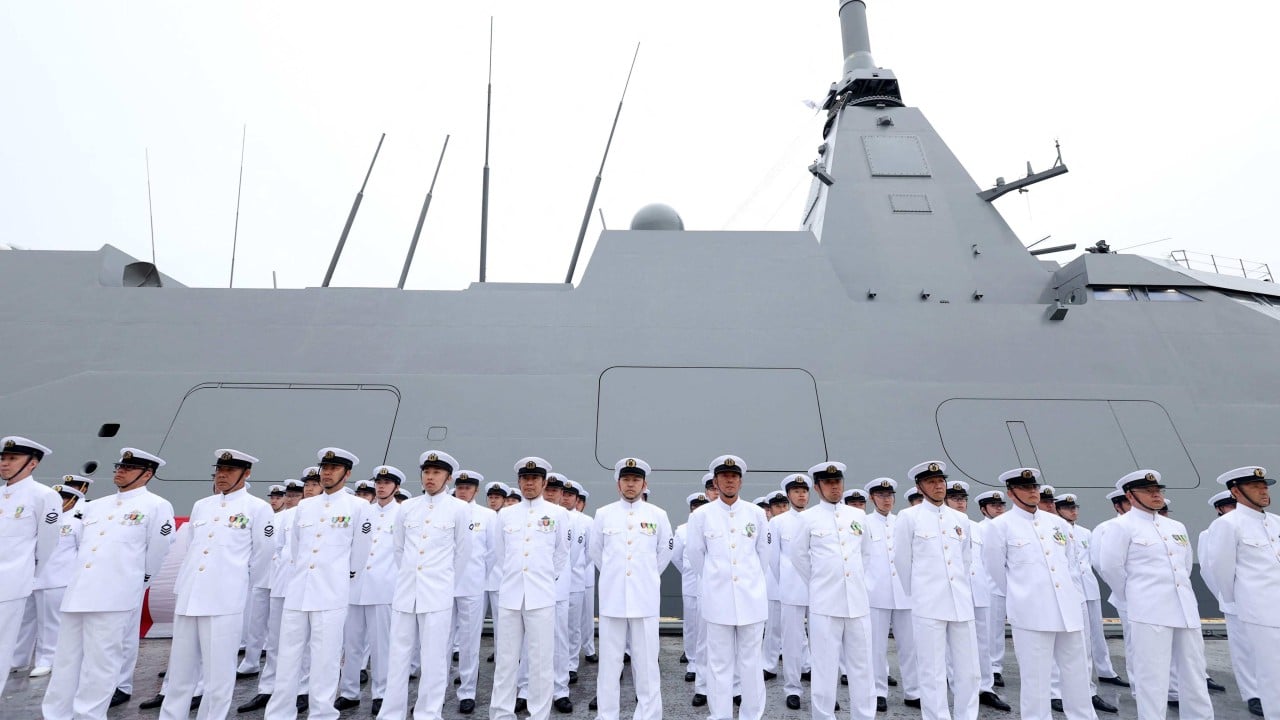
You have to look at the broader picture to understand why Beijing is sweating. Tokyo isn't just talking about bigger budgets. They're actively buying up long-range missiles, testing hypersonic technology, adopting advanced drones, and building tight-knit defense partnerships stretching from Australia to the United Kingdom. Japan's Ministry of Defense has pushed back on reports claiming they are explicitly gunning for 3.5 percent of GDP, maintaining they've already hit their roughly 2 percent benchmark ahead of schedule. But actions speak louder than press releases. Tokyo is preparing to revise three massive security documents by the end of the year, cementing a posture designed to deter, and if necessary withstand, a prolonged conflict—especially one triggered by a crisis over Taiwan.
Let's be honest about the trigger point here. Sino-Japanese relations didn't sour overnight. Things went into a tailspin following comments made late last year by Japanese Prime Minister Sanae Takaichi, who hinted that Tokyo could intervene militarily if a Taiwan strait conflict turned violent. That singular remark infuriated Beijing. It fundamentally changed how Chinese military planners view Japan's expanding footprint. Defense Minister Admiral Dong Jun used his opening address at the Xiangshan Forum to warn against "hegemony, militarism and historical revisionism." While he skipped naming Tokyo explicitly, the audience didn't need a nametag. The subtext was thick enough to cut with a knife.
Analysts watching the forum note that China's phrasing was carefully calibrated. With a high-stakes summit between President Xi Jinping and American leadership looming in Washington, Beijing wanted to signal its displeasure without blowing up broader diplomatic channels. They want to keep the pressure on Tokyo while managing ties with Washington.
If you are tracking security trends in the Indo-Pacific, you can't ignore the ripple effects. Nations like India, which maintains deep defense ties with Tokyo through the Quad, are watching these developments with intense focus. Every upgrade to a Japanese destroyer or missile battery alters the strategic calculus from the South China Sea to the Himalayas.
The security architecture of East Asia is shifting beneath our feet. Pacifism is taking a back seat to hard-nosed deterrence, and neither side is backing down.
Plan your next strategic assessment by monitoring Tokyo's upcoming security document revisions and tracking defense budget allocations in the next fiscal cycle.
This video provides additional context on China's official stance regarding Japan's defense white paper and recent military expansion efforts.
http://googleusercontent.com/youtube_content/1