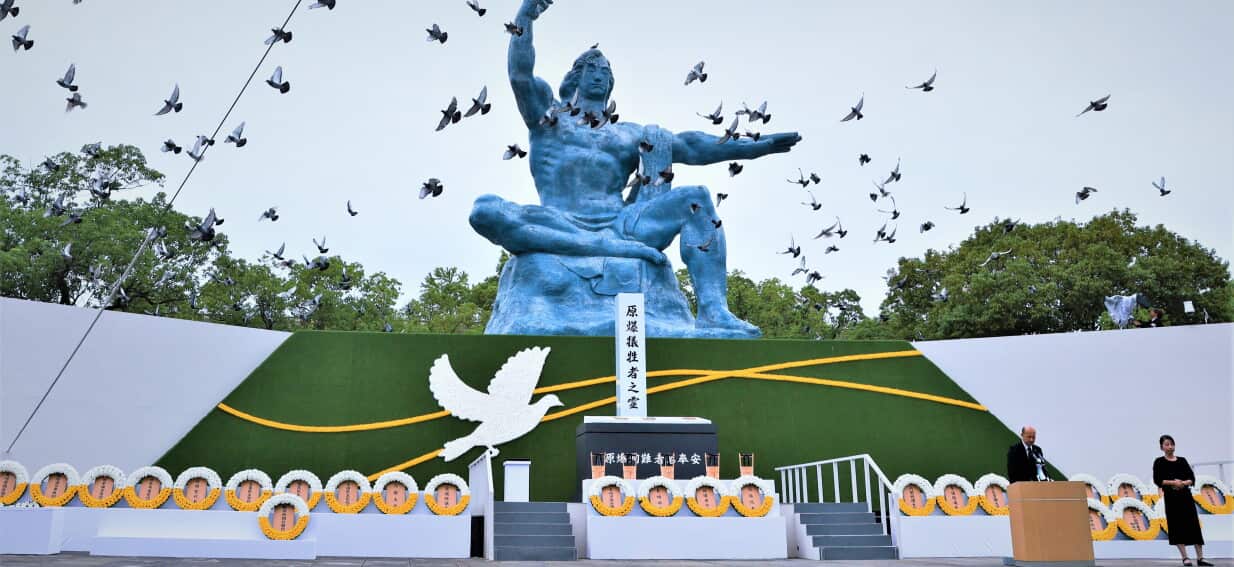
Tokyo is playing a dangerous game with its pacifist identity. Decades of strict anti-nuclear posturing are running head-first into a brutal geopolitical reality.
When Nagasaki officials stood up recently to demand clarity, they weren't just whining about politics. They were sounding a loud alarm because Japan's leadership refuses to firmly commit to the historic three non-nuclear principles.
You need to understand what is actually happening behind closed doors in Japanese politics right now. The pressure isn't coming from nowhere. Regional tensions are boiling over, neighbors are ramping up military might, and faith in traditional security guarantees is shaking.
The Three Non-Nuclear Principles Under Siege
For over fifty years, Japan proudly clung to a simple rulebook: don't possess, don't produce, and don't allow nuclear weapons onto national soil. It became a badge of honor for the world's only nation to suffer atomic attacks.
Now? That framework is cracking.
Leadership in Tokyo wants a more flexible military posture. Defense officials have started whispering about "taboo-free" debates. They want options. When you hear politicians talk about "realistic measures," translate that to mean they are prepping the public for a future where old guardrails get tossed out.
- Possession: Still officially rejected, but the political appetite for strict adherence is fading.
- Production: Legally restricted, yet high-tech defense spending hits record highs.
- Introduction: Heavily contested as alliance dependencies shift.
Why Nagasaki is Panicking
Nagasaki bears the scars of 1945. For survivors, the memory of the plutonium blast isn't a history lesson. It is trauma.
When current leaders refuse to explicitly guarantee that these principles will stand forever, survivors see a betrayal. They know that once a government starts treating a nuclear taboo as negotiable, it is only a matter of time before deterrence logic takes over.
Critics point out that Prime Minister Sanae Takaichi and her administration talk a big game about defending peace, but they deliberately sidestep signing global bans like the Treaty on the Prohibition of Nuclear Weapons. Why? Because Japan relies heavily on the United States nuclear umbrella.
You cannot claim to want a completely nuclear-free world while simultaneously hiding behind a superpower's nuclear shield. That contradiction is finally catching up with Tokyo.
The Regional Pressure Cooker
Look at the map. China is expanding its military footprint at an astonishing rate. North Korea regularly tests missiles and issues blunt threats.
Tokyo feels exposed. American security guarantees look less certain depending on who sits in Washington. Right-wing factions inside Japan are pushing hard for a muscular defense posture, including lifting arms export bans and updating national security documents.
A senior administration official even hinted in an off-the-record briefing that Japan should theoretically possess its own nuclear deterrent. Even though it caused a public uproar, the idea made it into national headlines. That tells you the conversation has already shifted.
What Happens Next
If you want to track where Japan's defense policy is heading, stop listening to ceremonial peace declarations. Watch the national security reviews and the defense budget allocations.
The era of comfortable, unchallenged pacifism in Tokyo is ending. Expect more subtle shifts, deliberate ambiguities, and growing friction between local peace cities like Nagasaki and a central government obsessed with hard power.
Pay close attention to upcoming parliamentary debates on defense technology. Check how funding shifts toward dual-use capabilities. Don't wait for an official announcement to realize the policy has already changed.


