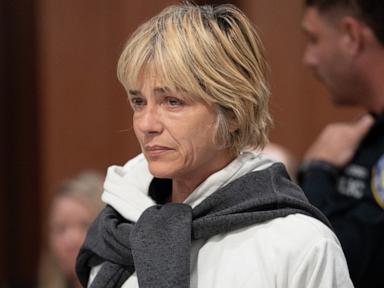
Joni Mitchell spent six decades shaping American music without ever holding an American passport. That changed when the legendary singer-songwriter officially took the oath of citizenship.
If you followed her career, you probably assumed she made the paperwork official ages ago. After all, she moved south from her native Canada back in 1965. She lived through the peak eras of Detroit, New York, and California counterculture, writing iconic tracks defining modern American songwriting. Yet, her status remained distinctly foreign until now.
She marked the milestone on social media with a photo holding an American flag and a simple caption: "A journey that began 62 years ago." A short video clip from a Department of Homeland Security office captured her name being called, followed by cheers from fellow applicants in the room.
The Long Road From Fort Macleod to California
Mitchell's path to the United States started long before she crossed the border in the mid-sixties. Born Roberta Joan Anderson in Fort Macleod, Alberta, she grew up battling childhood diseases, including a bout of polio at age nine that left her hospitalized for weeks. That early grit forged a notoriously independent spirit.
When she migrated south in 1965, she wasn't chasing American paperwork. She was chasing art, community, and the vibrant folk scenes blossoming across the border. She first settled in Detroit, moved through New York's Greenwich Village folk circles, and eventually established her creative anchor in California. Her timeless albums like Blue and Court and Spark became the soundtrack of American life, even though she technically remained a guest in the country.
For years, rumors circulated that she held dual citizenship. But reports confirmed she had never actually naturalized.
Why Now
Why would a legendary artist take the citizenship oath after living in a country for over sixty years?
Timing matters. During her celebrated return to live performance at the Hollywood Bowl, Mitchell addressed the crowd directly. She joked about her status on stage, telling the audience she wished she could vote because she was "one of those lousy immigrants."
Immigration experts note that long-term foreign residents often decide to naturalize later in life for estate planning, voting access, or personal closure. For Mitchell, closing the loop on a journey that started over six decades ago brings a quiet finality to her decades-long residency in the United States.
She joins a notable club of Canadian music legends who eventually naturalized after decades down south. Her longtime friend Neil Young completed his own citizenship process years prior, famously navigating delays due to background checks regarding cannabis use.
Mitchell's official transition reminds us that identity and geography don't always move at the same speed. You can build an entire artistic legacy inside a culture long before the government stamps your paperwork.
The paperwork is finally done. The music was already American history.