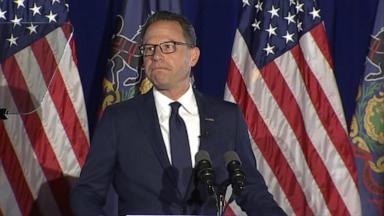
Elections come and go, but few victory speeches carry the weight of a state-defining shift. When Josh Shapiro stepped up to address his cheering supporters following his projected win in the Pennsylvania governor's race, he wasn't just claiming a political milestone. He was broadcasting a blueprint for how to win tough swing-state battles. Politics isn't won by accident. It's won by reading the room, owning your narrative, and refusing to let opponents define your boundaries.
Pennsylvania remains the ultimate American political battlefield. If you lose the commonwealth, your national momentum stalls out. That's why every word spoken on election night matters. Shapiro's address leaned heavily into themes of everyday governance, economic pragmatism, and community safety. He focused on getting things done rather than getting bogged down in partisan mudslinging. Voters responded to that practical grit.
Decoding the Strategy Behind the Speech
Winning a swing state takes more than a catchy campaign slogan. You have to appeal to suburban moderates without alienating your core base. Shapiro mastered this tightrope walk. During his address, he leaned into messages of freedom, public education, and infrastructure investment. He didn't just talk about abstract political values. He tied them directly to fixing roads, lowering costs, and keeping neighborhoods safe.
Let's look at why this approach hits home. People are tired of endless culture wars that don't put food on the table. When a politician stands on stage and talks about competence, it cuts through the noise. Shapiro framed his victory not as a personal triumph, but as a mandate for functional governance.
What Other Campaigns Miss
Most political speeches rely on recycled platitudes about unity. They sound nice on paper, but they rarely move the needle. Shapiro's post-election remarks worked because they carried an edge of accountability. He acknowledged the friction in modern politics while maintaining a forward-looking posture.
- Focus on execution: Promising the moon gets headlines, but delivering basic services wins elections.
- Tone control: Staying calm while your opponents throw punches projects authority.
- Local identity: Tying national ambitions directly to local pride.
The Bigger Picture for Future Races
Every major political win sets a trend for the next cycle. Candidates across the country are watching Pennsylvania to see what sticks. If you want to understand where American politics is heading, study how state-level executives communicate bread-and-butter issues. It's no longer enough to ride national coattails. You have to prove you can manage the state budget, handle crises, and keep the lights on.
Shapiro's address signaled a shift away from high-theater grievance politics toward pragmatic execution. Voters reward leaders who treat public service like a job that actually needs to get done.
Take a close look at how modern campaigns handle their victory nights. They aren't victory laps anymore. They are opening statements for the next term's legislative battles. Shapiro used his moment on stage to lay down markers for the road ahead, daring the opposition to stand in the way of popular, common-sense investments.
If future candidates want to replicate this kind of success, they need to stop talking down to voters and start addressing kitchen-table economics with absolute clarity. Stop overcomplicating the message. Deliver real results, talk about them plainly, and let the work speak for itself.