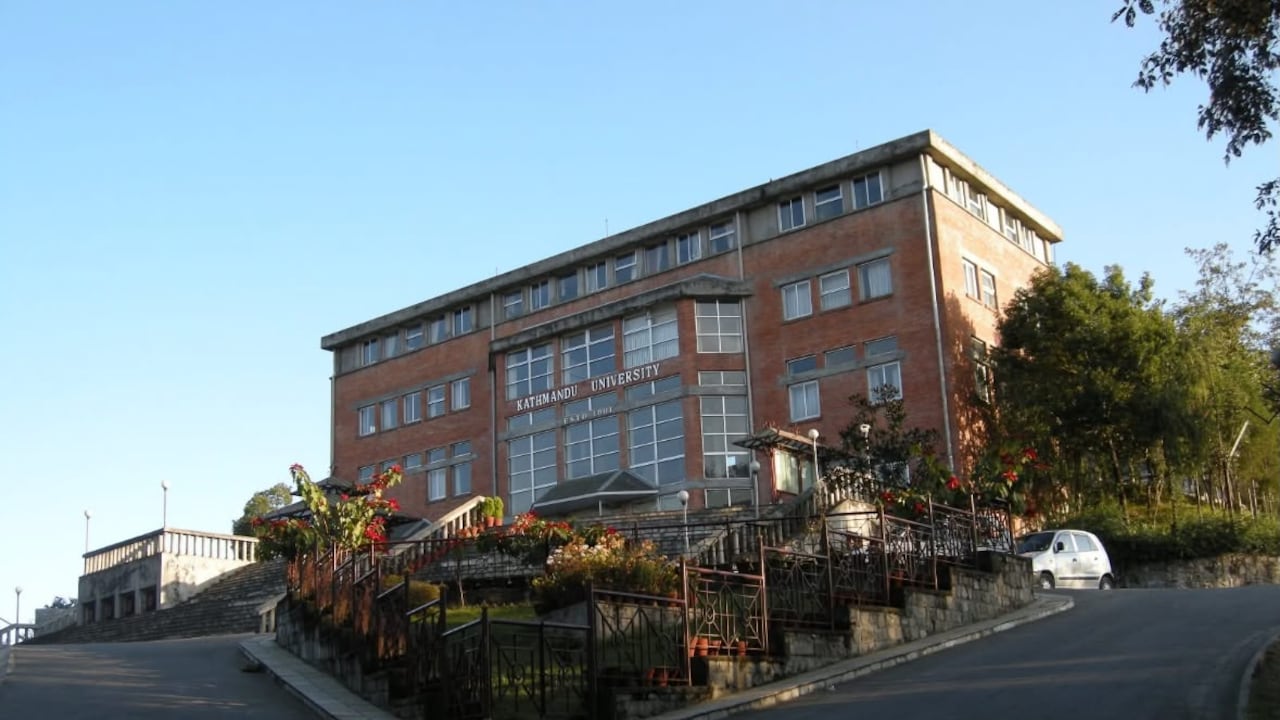
Geopolitics just crushed four years of academic planning in Kathmandu.
When Kathmandu University abruptly cancelled the 17th Seminar of the International Association for Tibetan Studies (IATS), it sent shockwaves through the global academic community. Scheduled for August 23 to 29, 2026, the major gathering was set to bring over 720 scholars from 39 countries together to discuss Tibetan history, language, philosophy, and culture.
Instead, the plug was pulled at the eleventh hour.
Official denials from ministries tried to mask the reality, but the sudden reversal exposed a familiar truth about regional diplomacy. Domestic security agencies had evaluated the event and found zero security threats, yet top bureaucrats overrode them anyway.
Let's look at what actually happened behind the scenes, why Beijing cared so much, and what this means for academic freedom in South Asia.
Four Years of Prep Wiped Out Overnight
Organizing an international conference of this scale is no small feat. Teams spent four years locking down logistics, reviewing paper submissions, and arranging venues like the Soaltee Hotel in Kathmandu and facilities in Dhulikhel.
Nearly 150 delegates from the United States and roughly 100 researchers from mainland China—including representatives from Peking University and the China Tibetology Research Centre—were registered to attend. Organizers maintained that the event was strictly academic. No activist speakers were invited. No political stunts were planned.
It didn't matter.
Chief Secretary Govinda Bahadur Karkee, acting after consultations with Foreign Secretary Amrit Bahadur Rai, bypassed the cabinet entirely. He made direct phone calls to university administrators instructing them to shut the conference down.
The Pressure Campaign From Beijing
To understand the cancellation, you have to look at the intense diplomatic lobbying that took place weeks prior.
On July 21, Chinese Ambassador Zhang Maoming met with Foreign Secretary Amrit Bahadur Rai. Sources indicate that Beijing grew increasingly anxious about the attendee list, particularly potential participation from exile Tibetan researchers and representatives connected to the Central Tibetan Administration (CTA) based in Dharamshala.
China's sensitivity reached a boiling point following international backlash over its strict Ethnic Unity Law, which took effect on July 1, alongside domestic political rumblings in Nepal after local diplomats attended an indoor celebration for the Dalai Lama's birthday in Kathmandu.
Sensing the mounting pressure, the CTA voluntarily withdrew its official five-member delegation from the Tibet Policy Institute to shield Kathmandu from diplomatic blowback, hoping individual scholar participation would suffice.
It wasn't enough to satisfy Beijing.
Government Denials Versus Internal Realities
Publicly, government officials tried to thread an impossible needle. Home Minister Sudan Gurung had earlier insisted the seminar would proceed with standard security screenings rather than face cancellation.
Security brass agreed with that initial stance. Heads of Nepal security agencies explicitly stated they examined the event from multiple angles and recommended continuous monitoring rather than an outright ban.
Yet executive power bypassed institutional assessment.
When Chief Secretary Karkee defended the move later, he framed it as a "good faith" advisory warning organizers about sensitive security risks. Kathmandu University had little choice. Faced with intense administrative arm-twisting, the institution withdrew as co-convener, leaving the IATS scrambling to evaluate whether any portion of the massive conference can find a new home.
What This Means Moving Forward
This episode reveals the fragile balancing act Nepal faces between maintaining institutional autonomy and keeping its powerful northern neighbor pacified.
When foreign policy dictates internal academic schedules over the findings of domestic security forces, everyone loses. Scholars lose years of collaborative research progress. Universities lose credibility as independent forums for open inquiry.
The IATS must now decide its next steps entirely outside of Nepal. For global academics tracking regional studies in the Himalayas, the message is stark: geopolitical boundaries carry more weight than scholarly peer review.


