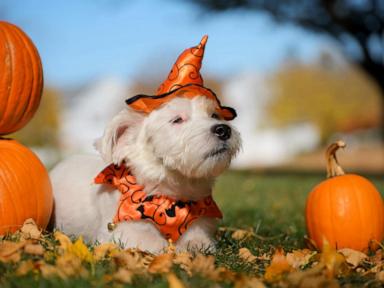
Halloween is a blast for humans, but it's basically a nightmare scenario for your pets. Constant doorbells ringing, strange figures in ghoulish masks screaming on the porch, and bowls of lethal sugar sitting at tail-height. Most advice stops at telling you not to feed your dog a Snickers bar. That barely scratches the surface.
If you want to keep your furry companions out of the emergency veterinary clinic this October, you have to think like an animal experiencing sheer sensory overload. Let's look at what actually goes wrong on Halloween night and how you can prevent it.
The Real Danger Hiding in the Candy Bowl
Everyone knows chocolate is bad for dogs. It's the classic warning echoed by every vet clinic in the country. But dark chocolate and baking chocolate contain massive amounts of theobromine, which can cause severe heart arrhythmias and seizures.
Worse than standard milk chocolate is the silent assassin sitting in sugar-free candies: xylitol. This artificial sweetener is profoundly toxic to dogs, causing a sudden, catastrophic drop in blood sugar and acute liver failure within minutes.
Don't forget the packaging either. Kids drop foil wrappers, plastic bags, and lollipop sticks everywhere. Dogs don't care that a plastic wrapper isn't food; they smell the sugary residue and inhale the whole thing. Intestinal obstructions from foil and plastic wrappers land dozens of pets in surgery every single year.
Front Door Chaos and the Escape Artist
Think about what happens every three to five minutes on Halloween night. The doorbell rings. You pull the door open to a group of screaming teenagers dressed as zombies. Your dog interprets this sequence as a direct threat to the pack, followed by an invitation to escape.
That door opening repeatedly creates the ultimate breakout window. Pets bolt out into the dark, panicked by the costumes, and get lost in neighborhoods they barely recognize.
Put your pets in a secure, quiet back bedroom well before the trick-or-treaters start marching. Turn on a television or a white noise machine to drown out the constant barrage of doorbells and shouting. If your dog is a chronic door-darter, a sturdy baby gate acting as a second barrier can save you hours of panicking in the dark looking for a runaway animal.
Why Costume Stress Is Real
We've all seen the hilarious photos of cats stuffed into tiny pumpkin outfits or dogs wearing witch hats. Social media loves it. Your pet probably hates it.
Restrictive clothing messes with a pet's ability to communicate through body language. When a dog can't lower its tail or flatten its ears comfortably because a spider costume is binding its chest, anxiety spikes. If your pet freezes, tries to claw the outfit off, or refuses to walk, take the costume off immediately. Costumes should never cause psychological distress just for a quick photo op.
Spooky Decorations Turn Into Physical Hazards
That glowing jack-o'-lantern on your porch looks great until your cat brushes its tail against an open flame or your puppy decides to chew the electrical cord of a animated singing skeleton.
Real candles inside carved pumpkins are an absolute hazard. Swap them out for battery-operated LED lights. They last longer, they don't start fires when tipped over, and they won't burn curious noses.
Keep glow sticks far away from coffee tables, too. Cats love batting them around, but the liquid inside is intensely bitter and causes drooling, foaming at the mouth, and frantic distress.
Set up your decorations high up or securely anchored. Halloween should be fun, not a high-stakes obstacle course that ends in an expensive midnight vet bill. Lock away the candy, secure the front door zone, and give your pets a quiet sanctuary away from the chaos.


