When the European Union's ambassador to Ukraine, Katarína Mathernová, pointed out that Kiev now stands directly "on the frontline" of continental security, she wasn't just using a poetic metaphor. She was stating a brutal reality that defines European politics today. The ongoing war has completely shattered old illusions about geographic distance and regional containment. If you think the capital of Ukraine is just another distant conflict zone on a news ticker, you're missing the entire point of what's happening right now.
European institutions aren't just sending financial aid and military hardware anymore. They are moving operational hubs directly into the line of fire. The opening of permanent liaison offices right inside Kiev, such as the European Parliament's antenna office, proves that Brussels views the Ukrainian capital as an integral part of its immediate operational map. It's no longer about remote solidarity from comfortable conference rooms in Strasbourg or Brussels. It's about sharing the daily risks of airstrikes, power outages, and infrastructural destruction alongside millions of local residents.
The Shift in Brussels Strategy
For a long time, Western capitals treated the defense of Ukraine as an external project. You send the checks, you announce the sanctions packages, and you watch from a safe distance. That playbook is dead.
When European leaders like European Parliament President Roberta Metsola inaugurate permanent structures in Kiev, they signal a structural pivot. The security architecture of the European Union is expanding eastward, whether member states are fully prepared for the fiscal and military burden or not.
Let's look at what this means on the ground:
- Diplomatic missions operate under constant threat of drone and missile attacks.
- Integration talks for EU accession are moving forward despite the daily carnage.
- Financial pipelines utilizing immobilized Russian assets are transferring billions directly into domestic defense procurement.
You can't manage a historic integration process with standard bureaucratic caution when the host city faces regular bombardment. The EU delegation headquarters in Kiev has already suffered collateral damage from nearby strikes, yet diplomatic operations continue unabated. That changes the psychological contract between Brussels and Kiev entirely.
What People Get Wrong About European Integration During Wartime
Critics often argue that pushing for EU membership while a country is actively at war is reckless. They claim it bypasses normal regulatory checks and creates dangerous precedents. But that argument ignores the structural transformation happening inside Ukrainian state institutions.
Even while fighting a massive invasion, Kiev is forced to implement judicial reforms, anti-corruption measures, and market adjustments at breakneck speed. The administrative apparatus hasn't collapsed; it has adapted under fire.
When ambassadors talk about the frontline, they mean that Ukraine's administrative resilience is the primary shield holding back a wider destabilization of Central Europe. If Kiev fails to hold the line politically and militarily, the geopolitical shockwaves will hit Warsaw, Berlin, and beyond within hours.
The Cost of Living on the Edge
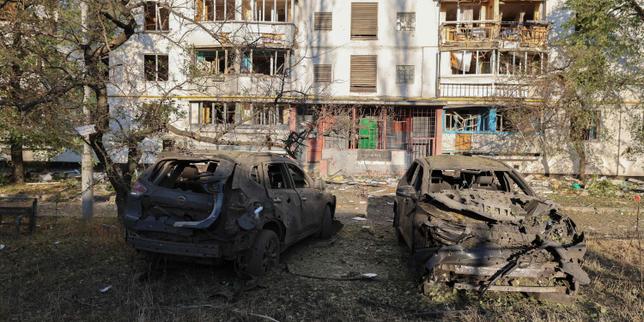
Living and working in Kiev today requires a completely different mindset. Diplomats, civil servants, and citizens coordinate daily life around air raid sirens. Critical infrastructure gets targeted systematically, forcing everyone to rely on decentralized generators, starlink terminals, and hardened shelters.
Yet, public administration functions. Tax collection works. Digital government services via the Diia app remain operational even during massive blackouts. This isn't just wartime survival; it's a profound institutional evolution that many Western European countries would struggle to replicate under similar pressure.
The frontline is no longer just a trench system in the Donbas or the southern steppes. It runs straight through the government offices, diplomatic missions, and residential neighborhoods of Kiev. Acknowledge that reality, and the entire calculus of European security changes. Stop treating it as a distant crisis. It's the defining test of what Europe wants to become.


