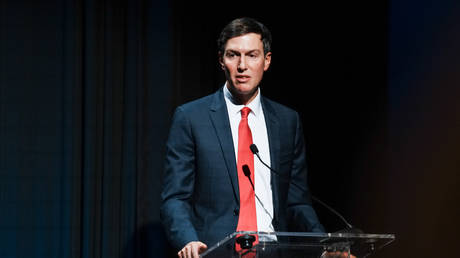
When King Charles stood before world leaders at the Commonwealth Heads of Government Meeting in Antigua, everyone waited for a single word that never came.
The transatlantic slave trade was called a "shameful chapter of history," yet the speech stopped right at the boundary line of a formal apology. If you’ve been following the intense diplomatic pressure surrounding Britain’s colonial past, this balancing act shouldn't surprise you. But it leaves a massive gap between acknowledging historic suffering and delivering the financial or moral reckoning that Caribbean nations are demanding.
Let's look at why this happened, what the King actually said, and why the royal family remains trapped in a defensive posture over reparatory justice.
The Weight of History in Antigua
Choosing Antigua for this summit was no accident. Antigua and Barbuda carry a profound, painful history linked directly to the British crown's historical profits from enslaved labor. Ahead of the official opening ceremony, protesters gathered outside the venue holding signs demanding immediate reparatory justice and an explicit acknowledgment of wrongdoing.
Local activists and regional leaders haven't hidden their frustration. While prime ministers and civil society groups push for concrete paths toward financial repair, the monarchy prefers the safer territory of "sincere sorrow".
"We cannot change the actions of those who came before us," Charles told the assembly. "We can, however, learn from the past."
It’s a polished diplomatic formulation. It sounds reflective, but it carefully avoids legal and financial culpability. Buckingham Palace knows that uttering a formal apology opens a Pandora's box of liability regarding state-backed reparations.
Why the Crown Won’t Cross the Line
You might wonder why a modern monarch can't just say "we are sorry" and move on. The reality is tied tightly to constitutional boundaries and government policy.
The British government, currently navigating deep financial constraints, has repeatedly rejected state-level financial compensation. Royal aides point out that the King acts on the advice of his ministers. Stepping over that line to issue an independent apology on reparations would trigger a massive constitutional crisis between the Palace and Downing Street.
Furthermore, conservative factions back home view any ongoing discussion about apologies as a costly distraction from contemporary issues. Consequently, the King is left walking a tightrope: trying to keep the 56-nation Commonwealth from fracturing while refusing to give anti-colonial campaigners the closure they want.
The Real Cost of Half-Measures
Expressing sorrow without taking accountability creates a strange vacuum. Caribbean leaders like Antigua's Prime Minister Gaston Browne have made it clear that nations shaped by international decisions deserve a meaningful voice and real solutions, not just sympathetic remarks.
When global figures express regret while dodging structural repair, it often alienates the very communities they're trying to embrace. Protesters on the ground in St. John's put it bluntly: technical freedom means little when the systemic and mental chains of colonial extraction remain unaddressed.
The Commonwealth is supposed to represent a voluntary association of equals, but as long as the historical ledger remains unbalanced, resentment will linger beneath the surface of these high-profile summits.
Check the developments of the ongoing Commonwealth summit, monitor how Caribbean legal challenges in international courts progress, and look past the diplomatic rhetoric to see where real policy shifts happen.