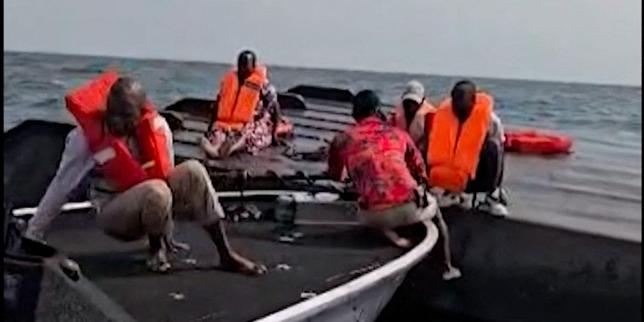
Forty-four lives. That is the grim milestone confirmed by police after a government-operated ferry capsized on Zimbabwe's Lake Kariba. When rough weather and heavy waves slammed the vessel on Tuesday, August 11, 2026, it wasn't just a sudden act of nature that sent souls plunging into the murky depths. It was a predictable disaster born from systemic failure, chronic infrastructure neglect, and the desperate realities of rural transit.
President Emmerson Mnangagwa swiftly declared a state of disaster, unlocking emergency resources. But declarations won't bring back the children and adults who drowned on the route between Kariba town and Chalala.
Inside the Lake Kariba Tragedy
The numbers tell a damning story of oversight and overcrowding. Operated by the Rural Infrastructure Development Agency (RIDA), the vessel was officially rated to carry a maximum of 90 people. Yet, according to data from the Civil Protection Unit (CPU), the boat had at least 119 adults aboard, alongside five crew members and an unverified count of children who didn't require tickets.
That is well over capacity before factoring in cargo. When a massive wave struck near Long Island, the engine stalled, the vessel lost control, and it flipped. Survivors clutched desperately to the upturned hull while nearby fishermen and witnesses watched in horror, scrambling to pull people from the water. Helicopters from the Matusadona wildlife area and specialized army divers eventually arrived, rescuing 77 people. For 44 others, help came too late.
Why People Rely on Dangerous Waterways
You might wonder why passengers keep boarding overloaded vessels in bad weather. The answer is simple. They don't have a choice.
Lake Kariba stretches nearly 200 kilometers long and up to 40 kilometers wide, standing as the world's largest artificial reservoir by volume. For remote fishing villages and island communities, the water is the main highway.
The land alternative is practically non-existent. Local lawmakers and residents have pointed out for years that regional roads, such as the route connecting Karoi to Binga, have been left to rot. If you want to move goods, visit family, or access basic services, you brave the lake because the roads are utterly impassable. When the state fails to maintain asphalt, people are forced to gamble their lives on wooden and metal hulls that cut across unpredictable waters.
The Recurrent Danger of African Inland Waterways
This disaster is far from an isolated incident. Across the continent, inland water transport remains an afterthought for safety regulators until bodies wash ashore. Back in 2014, a similar tragedy struck the Zambian side of Lake Kariba when a boat sank, killing 26 people, mostly minors.
Safety protocols on these lakes are routinely ignored. Life jackets are scarce or missing entirely. Oversight bodies are underfunded and toothless. Operators push for maximum profit or try to accommodate every desperate commuter, leading to chronic overloading. When storms roll across the massive expanse of Kariba, heavy winds churn up waves capable of overwhelming small commercial and government craft within seconds.
What Needs to Change Immediately
Declaring a state of disaster is a necessary administrative step to fund recovery operations, but it treats the symptom rather than the disease. If Zimbabwe wants to stop these tragedies, the approach to rural mobility must undergo a radical overhaul.
- Enforce strict passenger caps: Authorities must place independent monitors at docks to ensure boats never leave port over capacity.
- Mandate safety gear: Every single passenger, adult or child, needs immediate access to functional life jackets before stepping onto a vessel.
- Fix regional roads: Rebuilding land routes like the Karoi-Binga corridor will immediately pull thousands of travelers off dangerous water transit.
- Upgrade weather monitoring: Commercial operators need real-time weather advisories that legally prohibit departures during high wind warnings.
Until accountability meets infrastructure investment, lakes like Kariba will remain high-risk zones where ordinary citizens pay the ultimate price for institutional failure.


