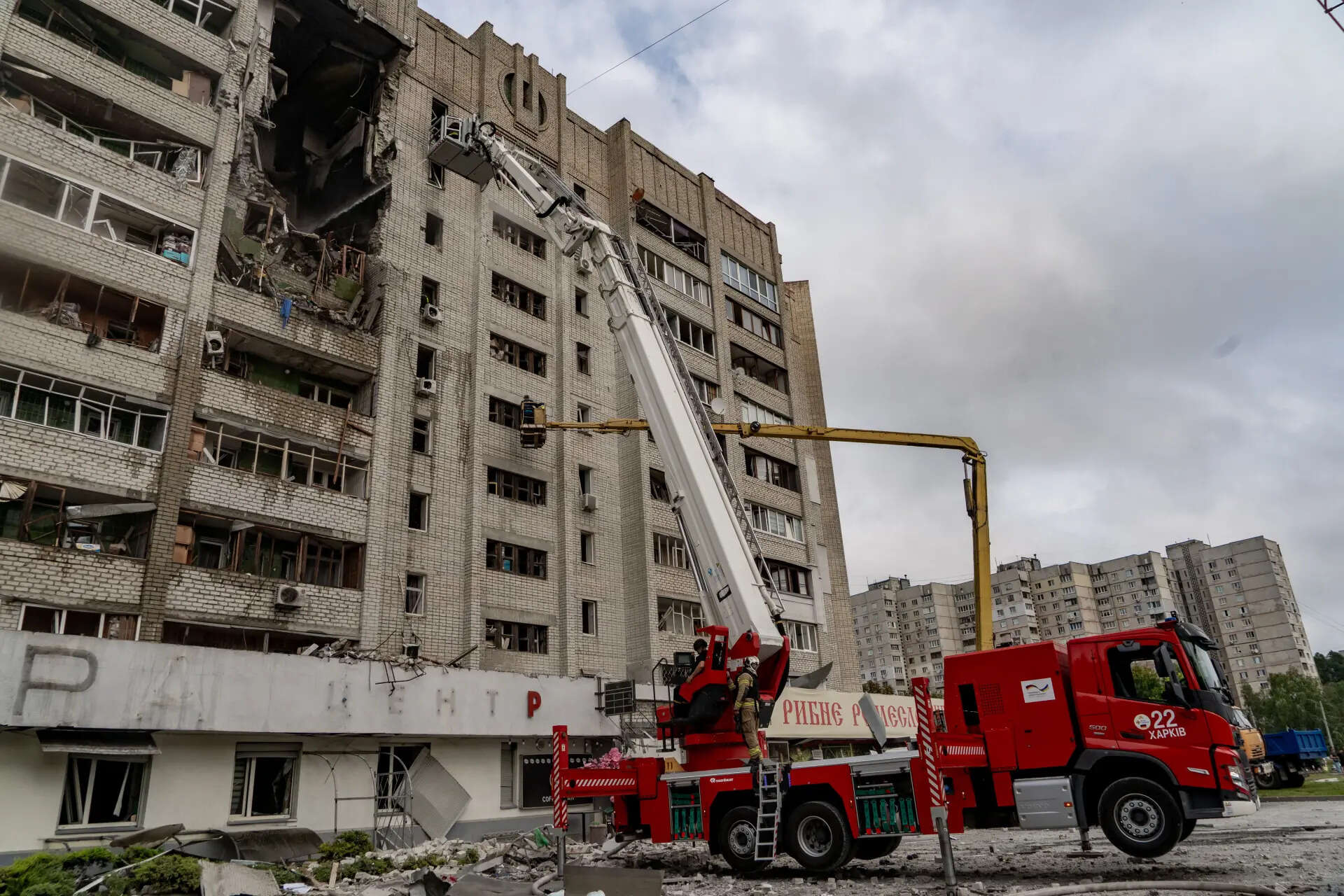
Air raid sirens don't stop for diplomatic calculations. When overnight strikes tear through apartment blocks and spark border blazes, the human cost becomes immediately clear. Seven civilians are dead following a punishing wave of overnight missile and drone exchanges between Russia and Ukraine.
At the same time, a stray explosion rocked Moldova's southeastern border region. This wasn't just another routine operational update. It points to a widening arc of instability that neighboring states can no longer ignore.
The Human Toll on the Ground
In Kharkiv, a Russian missile punched straight through a high-rise residential building in the Saltivskyi district. Two people died instantly, and thirteen others scrambled for whatever medical help remained available. Down south in Odesa, port infrastructure and surrounding neighborhoods took direct hits from dozens of incoming vectors. Eight more people sustained injuries.
Emergency crews worked through smoke and shattered glass. They know the drill by heart now. But familiarity doesn't make the devastation any easier to process.
Retaliatory cross-border strikes hit back hard. In Russia's Belgorod region, authorities reported five deaths and widespread damage to nearly thirty apartment buildings after incoming drone strikes. A four-year-old child counts among the injured. Further south in Novorossiysk, a major transit hub connecting vital energy fields to international markets faced fresh aerial incursions.
Why Moldova is Feeling the Shockwaves
The geographical spillover is accelerating. Moldovan police confirmed a powerful blast near the village of Crocmaz in the Stefan Voda district, right along the border with Ukraine. Combat drone fragments scattered across the site, igniting a severe vegetation fire.
Moldova has experienced multiple airspace violations since the full-scale conflict began. Each incident serves as a stark reminder. No sovereign state in the immediate vicinity sits far enough away from the front lines to escape the friction of automated warfare.
The Technological Bottleneck
Air defense architecture dictates survival right now. Kyiv continues to face critical shortages of interceptors for its U.S.-supplied Patriot systems. These batteries remain the primary shield against fast-moving ballistic threats.
When supplies run thin, gaps open up in urban defense grids. Moscow's forces exploit these defensive holes by deploying massive swarms of low-cost loitering munitions. These drones fly at lower altitudes specifically to trick radar tracking.
What Happens Next
Diplomatic channels remain completely gridlocked while military planners on both sides look for asymmetric advantages. Ukraine keeps targeting Russian energy storage and supply hubs to strain logistical lines. Meanwhile, Russia continues its systematic bombardment of urban centers and utility grids to sap civilian endurance.
If you are tracking regional developments, keep a close eye on ammunition supply pipelines and localized border security reports. The conflict isn't staying contained. It is actively reshaping the geopolitical map of Eastern Europe piece by shattered piece.
World News: Russia says seven killed and 40 injured by Ukrainian drone
This video provides additional context on recent casualty reports and regional developments surrounding the ongoing cross-border strikes.
http://googleusercontent.com/youtube_content/1


