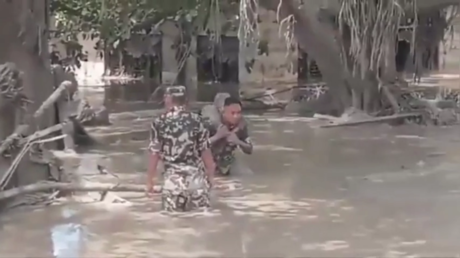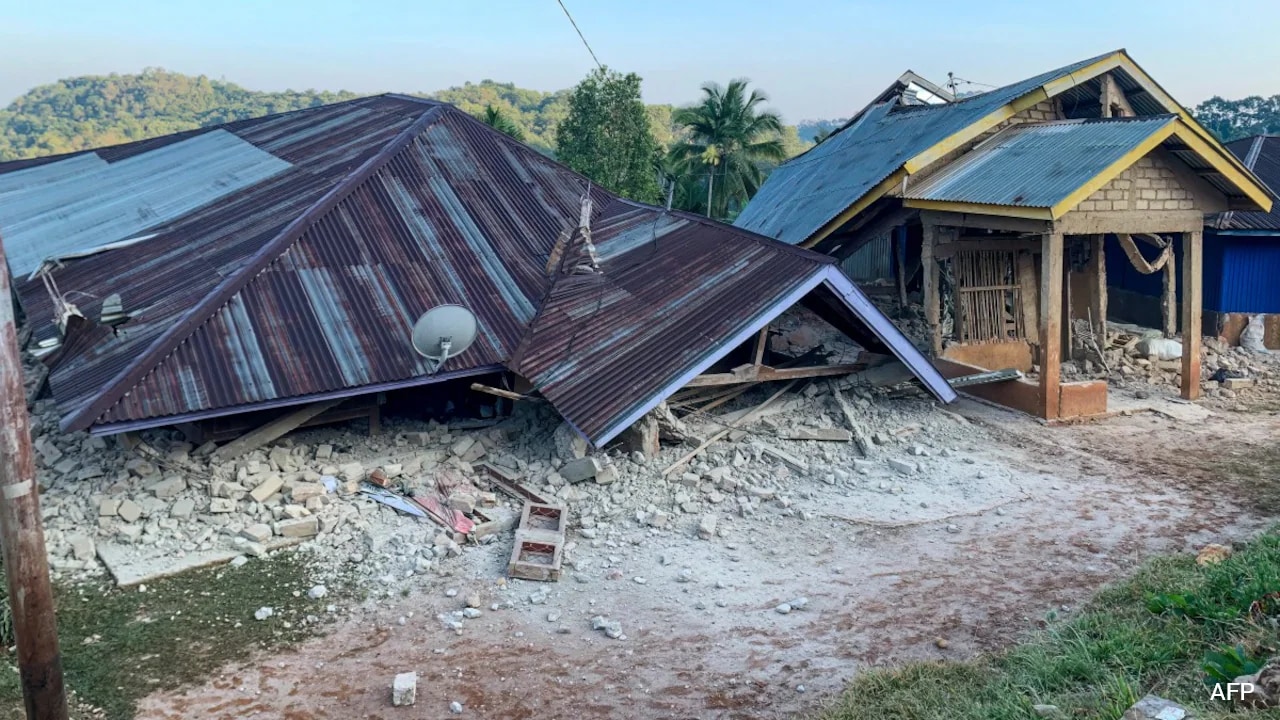
Ground shook violently across eastern Indonesia early Saturday. A massive 7.7-magnitude earthquake struck off the coast of Flores Island, sending thousands of sleeping residents sprinting into the dark streets.
Panic took over immediately. Sirens wailed, buildings cracked open, and authorities scrambled to issue an urgent tsunami warning.
If you live along the Pacific Ring of Fire, this terrifying routine is far too familiar. But every major tremor exposes the exact same vulnerabilities in emergency response, infrastructure resilience, and public panic control.
What Actually Happened In East Nusa Tenggara
The US Geological Survey pinned the epicenter roughly 42 miles northwest of Ende at a shallow depth of about 15 kilometers. Shallow earthquakes pack a much nastier punch because the energy doesn't dissipate before slamming into the surface.
For roughly sixty brutal seconds, violent shaking ripped through East Nusa Tenggara, West Nusa Tenggara, and parts of South Sulawesi. People woke up to the sound of collapsing concrete.
Initial reports confirmed multiple fatalities. Local officials in Sikka and Manggarai regencies reported casualties crushed by falling debris while still in bed. Hospitals in Ende had to wheel patients outside onto lawns, setting up makeshift IV drips and emergency treatment under open skies because structural damage made indoor wards unsafe.
Power grids failed instantly in several villages. Communication lines went dark, leaving rescue coordinators blind for hours while trying to figure out where the heaviest damage lay.
The Tsunami Panic And Quick Lift
Indonesia's Meteorology, Climatology and Geophysics Agency (BMKG) did what they had to do. They triggered a tsunami warning immediately after the seabed ruptured.
Small tsunami waves of less than one meter actually brushed against parts of the coast. Thousands of residents in places like Nagekeo fled toward higher ground, clutching whatever belongings they could grab in seconds.
Then came the relief. Roughly three hours later, monitoring data proved that the sea-level changes weren't catastrophic. BMKG lifted the tsunami threat, allowing exhausted evacuees to head back down.
Critics always complain about false alarms when tsunami warnings get lifted. That perspective is dangerous. When a 7.7 earthquake hits offshore, waiting around to see if a wall of water is coming is a great way to die. False alarms are the price of staying alive in an active seismic zone.
Why Indonesia Keeps Paying The Price
You can't talk about these disasters without looking at the raw geography. Indonesia sits squarely on the Pacific Ring of Fire, an intense horseshoe-shaped belt of tectonic friction. Tectonic plates grind past each other here constantly.
Yet, nature isn't the sole culprit. Poor construction standards in rural districts continue to kill people. When a magnitude 7.7 hits, traditional homes and poorly reinforced concrete buildings disintegrate into dust. Modern earthquake-resistant building codes exist on paper in Jakarta, but rural enforcement remains weak.
Aftershocks compounded the terror on Saturday, including a sharp 6.1-magnitude jolt that hit shortly after the main wave. These secondary shocks often finish off structures already weakened by the initial quake, trapping rescue workers and residents who return home too early.
How To Handle Seismic Threats Before They Strike
Living through or preparing for an earthquake zone requires practical survival steps, not wishful thinking.
- Secure heavy furniture: Most injuries during strong shakes happen because unanchored wardrobes, televisions, and bookshelves smash down onto people. Bolt them to wall studs.
- Keep an emergency bag ready: Grab-bags should hold water, basic first aid, a flashlight, power banks, and essential medications. Power grids always fail first.
- Know your elevation routes: If you live near a coastline and feel a severe tremor that lasts longer than thirty seconds, don't wait for an official siren. Move inland and upward immediately.
- Stay out of damaged buildings: Aftershocks do not care that you want to check on your belongings. Wait for structural engineers or disaster relief teams to greenlight re-entry.
The sea has quieted down in East Nusa Tenggara, but the cleanup job is just beginning. Until local infrastructure matches the ferocity of the tectonic plates beneath it, these tragic mornings will keep repeating.