Tensions across the Middle East are boiling over right now. Security forces are on high alert. Political campaigns are heading into final, volatile stretches.
If you're trying to make sense of the overlapping crises playing out across Israel, the West Bank, Gaza, and Yemen, you need to look past the breaking headlines. Let's break down what's actually happening on the ground and why these developments matter right now.
The Hebron Shooting and West Bank Closures
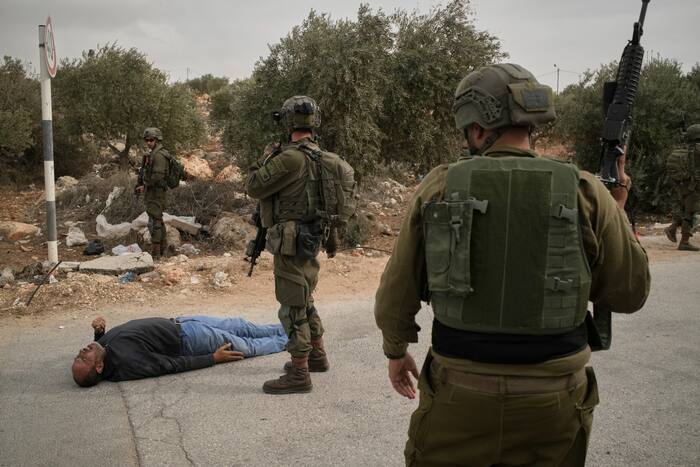
A shooting near the city of Hebron in the occupied West Bank left five people wounded, some critically. Israeli military officials stated that soldiers shot and killed two armed men who initiated the attack. Troops recovered an M16 rifle and a handgun at the scene.
The response was immediate. The Prime Minister's Office instructed the army to prepare for a full closure of the West Bank. Emergency response teams described a chaotic scene. Gunfire was still echoing as ambulances arrived to evacuate the wounded to Israeli hospitals.
This isn't an isolated incident. It's part of a persistent security escalation in the West Bank that continues to push civilian safety to the absolute brink.
High Stakes at the Ballot Box
Israelis are heading to the polls on Tuesday. This election will determine whether Prime Minister Benjamin Netanyahu secures yet another term or if the political landscape shifts completely.
The timing of ongoing security threats always influences voter behavior. Safety and defense dominate national conversations. Right-wing parties are pushing hard on security narratives, while opposition groups argue that current leadership has failed to deliver long-term stability.
Adding to the electoral tension, Arab political parties recently petitioned Israel's Supreme Court. They want an immediate ban preventing partisan election observers from carrying guns at polling stations.
The legal challenge follows announcements from Prime Minister Netanyahu's Likud party and Finance Minister Bezalel Smotrich's Religious Zionism party. They planned to deploy roughly 2,000 observers to Arab neighborhoods, citing concerns over voter fraud.
Arab citizens make up about 20% of Israel's population. Their voting power could sway coalition math significantly. The debate over armed observers highlights deep domestic divisions just days before votes are cast.
Ongoing Gaza Strikes and Humanitarian Pressure
More than a year after a ceasefire agreement between Israel and Hamas, active military operations in Gaza haven't stopped. Israeli strikes in southern Gaza killed at least one person, according to reports from Nasser Hospital in Khan Younis. The military maintains that its strikes target specific militants and that precautions are taken to limit civilian casualties.
Meanwhile, international pressure is mounting. UNICEF issued a sharp call for the Israeli military to halt the killing of children in Gaza. The organization stated that the number of children killed has surpassed 350 since the ceasefire began in October 2025.
Humanitarian agencies continue to demand better protection for civilians caught in ongoing bombardments. The gap between military justifications and humanitarian realities remains wide and deeply tragic.
Yemen Retracts Military Warnings
Shifting across the region, Yemen's internationally recognized defense ministry walked back a controversial statement. The ministry had previously warned that tribal mobilization gatherings in Houthi-controlled areas would be treated as legitimate military targets.
Defense Minister Taher al-Aqili issued an apology to Yemeni tribes via social media. He acknowledged that the previous warning was wrong and unacceptable. He clarified that the military respects international humanitarian law and will not target traditional tribal assemblies, known as Nakf.
The original warning targeted Houthi recruitment efforts, which frequently utilize cultural courses and rallies to gather fighters. The quick retraction shows how sensitive tribal alliances remain in Yemen's fractured political structure.
What Comes Next
You can't view these events in a vacuum. Security incidents in the West Bank feed directly into Israeli election politics. Ongoing strikes in Gaza keep international pressure at an all-time high. Regional friction from Yemen to the Mediterranean demonstrates that stability remains fragile.
Keep a close eye on Tuesday's election results in Israel. The outcome will set the trajectory for regional diplomacy and domestic policy for years to come.