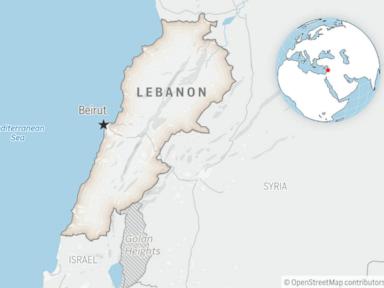
Lebanon just became the first Arab nation to officially outlaw capital punishment. On August 11, 2026, the Lebanese parliament voted to scrap the death penalty entirely, replacing it with life imprisonment with aggravated hard labor.
If you've followed Middle Eastern politics, you know this is a massive shift. For over two decades, the country maintained an unofficial execution freeze. No one had faced the gallows or firing squad since January 2004. Yet, judges kept handing down death sentences. Dozens of prisoners sat on death row in legal limbo, wondering if a political shift would suddenly revive the practice.
That uncertainty is finally over. But how did this happen, and what does it mean moving forward?
Turning a Freeze Into Permanent Law
An unofficial moratorium is fragile. Governments change, ministers rotate, and public panic over high-profile crimes can easily pressure politicians into restarting executions. Lebanon lived in that gray zone for twenty-two years.
Local human rights groups grew tired of the ambiguity. Organizations like the Lebanese Association for Civil Rights pushed hard for structural reform. Back in late 2025, a cross-party group of lawmakers submitted a formal bill to clear the penal code.
The path wasn't entirely smooth. Committees reviewed, amended, and debated the text through early 2026. When the general assembly finally voted, the measure passed with a clear majority. Existing death sentences will now be commuted to life behind bars.
Why This Matters For Regional Justice
Justice Minister Adel Nassar called the vote a historic milestone. He isn't wrong. Beyond the obvious human rights victory, this legal overhaul solves a practical diplomatic headache for Beirut.
For years, foreign nations with strict anti-capital punishment laws refused to extradite suspects back to Lebanon. European countries, for instance, block extraditions if the fugitive faces execution. By wiping capital punishment off the books, Lebanon opens the door to smoother international law enforcement cooperation.
Regional context makes the vote even sharper. While neighboring countries have moved in the opposite direction—such as legislative expansions of the death penalty elsewhere in the region—Lebanon carved out a different path.
The Political Pushback
Not everyone in Beirut celebrated. Hezbollah's parliamentary bloc openly opposed the bill, walking out of the legislative session in protest.
Contentious domestic politics mean the debate won't vanish overnight. Critics of the abolition argued that certain heinous crimes warrant the ultimate punishment. However, the proponents held firm, backed by civil society leaders who argued that true justice shouldn't rely on state-sanctioned killing.
What Happens Next
Passing the bill in parliament marks the heaviest lift, but the process requires final executive signatures before full enactment.
Authorities face immediate logistical tasks. The Ministry of Justice must process roughly 85 inmates currently sitting on death row, formally shifting their status to life sentences. Human rights organizations are already pushing the government to ratify international anti-death penalty treaties to lock in the change permanently.
Watch how Beirut handles extraditions in the coming months. If European courts start greenlighting the return of high-profile fugitives to Lebanon, the practical benefits of this vote will become immediately clear.


