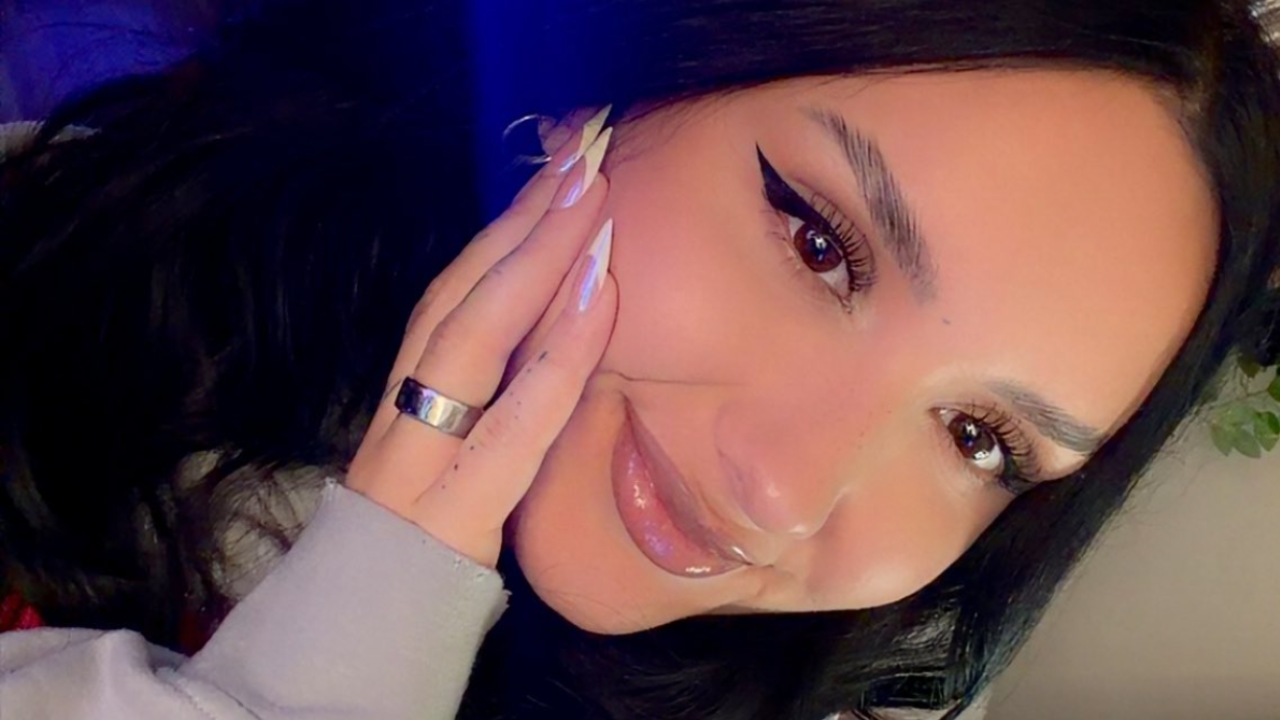
The streaming community loves a dramatic expose until the receipts get too heavy to carry. When Twitch streamer Lindsay, known online as Lyndi, dropped a nine-page document detailing her past relationship, she didn't just air personal dirty laundry. She tore open a conversation about power dynamics, emotional isolation, and the dark side of internet fame that most creators try to sweep under the rug.
If you spend any time on Twitch or VRChat, you know how insular these creator circles are. Relationships form quickly, fueled by mutual audiences and cross-streams, but they often implode behind closed doors where viewers can't see the toxicity. Lyndi's statement, titled simply "My side," arrived in the wake of broader conversations about accountability online, putting creators and their behind-the-scenes actions back in the spotlight.
Let's look at what actually happened, what she alleged regarding her former partner Neil, known as RatedEpicz, and why this situation highlights a systemic problem within digital creator culture.
The Reality of Control Behind the Stream
Most fans think they know their favorite streamers because they watch them broadcast for six hours a day. They don't see the hours off-camera. Lyndi's account paints a picture of a relationship that started with a normal, instant connection before rapidly deteriorating into isolation and verbal abuse.
According to her statements, RatedEpicz routinely accused her of dating him solely for "clout" and used degrading terms during arguments. She described being heavily restricted in her daily digital life—barred from speaking to certain men, playing with specific friends, or even participating freely in VRChat and roleplay communities.
Isolation is a classic control tactic. When you cut someone off from their regular support network, you make them entirely dependent on you for validation. Lyndi admitted that she felt terrified to speak up because she was trapped in an environment where her partner was simultaneously seeing other people behind her back. She didn't find out about the widespread infidelity until the very end of the relationship, largely because she had been conditioned to keep their dating status a secret from nearly everyone.
Denying Blackmail and Facing Accountability
Whenever a high-profile creator breakup goes public, the narrative war turns brutal. Accusations fly back and forth, and blackmail is one of the heaviest charges tossed around in streaming circles.
Lyndi addressed these claims head-on. She denied ever blackmailing RatedEpicz or leaking his private information. Instead, she pointed out that text messages regarding financial stress and apartment logistics occurred while she was grappling with his continuous infidelity. She also alleged that he threatened to leak intimate images of her on Reddit, turning the weaponization of private media back onto the dynamics of their toxic dynamic.
At the same time, Lyndi didn't paint herself as an innocent bystander. She owned up to her own harsh words during their fights, acknowledging that some of the language she used was unacceptable. Taking accountability while still standing firm on the abuse you endured is a tough line to walk, but it separates genuine reflection from standard PR spin. She apologized to people she hurt, proving that two things can be true at once: you can make mistakes in a toxic environment, and you can still be a victim of abuse within that same relationship.
Why Internet Communities Struggle With Accountability
The internet loves a villain, and it loves a clean victim even more. When creators come forward with messy personal stories, audiences often demand absolute perfection. If the person speaking out has ever raised their voice or said something cruel out of anger, toxic fandoms use it to invalidate their entire experience.
This black-and-white thinking breaks down in real-world abusive relationships. Reactive abuse is a well-documented psychological phenomenon where a victim lashes out after enduring prolonged mistreatment. When outsiders look in, they often judge the reaction while ignoring the months or years of manipulation that caused it.
Creators hold immense power over their communities. When a streamer uses their platform to control or discredit a partner, the sheer size of their audience can ruin lives before the truth ever surfaces. Lyndi's choice to publish her full account rather than staying quiet shows a shift in how streamers are starting to handle these crises. They are tired of being silenced by NDAs, implied threats, or fear of community backlash.
If you are navigating a toxic relationship, whether online or offline, recognizing the isolation tactics early is your best defense. Don't let anyone convince you to hide your reality from the people who care about you. Use your voice before someone else tries to rewrite your story for you.