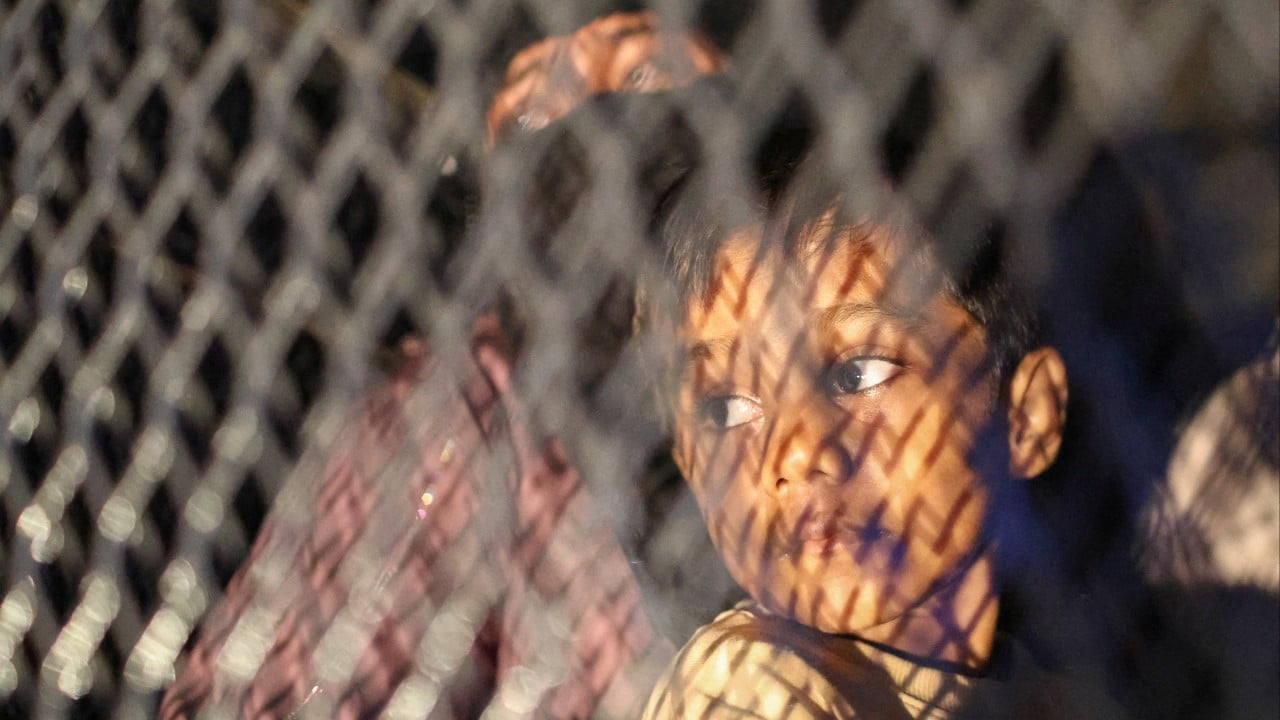
Malaysia just announced a controversial plan to send 5,000 Rohingya refugees back to Myanmar. Prime Minister Anwar Ibrahim defended the move by pointing out that Myanmar previously refused to accept returnees, but improving diplomatic ties changed the equation. Behind this policy shift lies a tense domestic reality. Malaysia currently hosts over 215,000 refugees and asylum seekers registered with the UN, with more than 126,000 belonging to Myanmar's persecuted Rohingya minority.
Public pressure to curb undocumented populations is heavy. But rights organizations are sounding alarms about refoulement, which is the illegal practice of forcing refugees back to a country where they face torture, persecution, or threats to life.
The Breaking Point in Kuala Lumpur
This announcement didn't happen in a vacuum. Just days prior, Malaysian authorities detained over 100 Rohingya refugees who gathered outside the UN High Commissioner for Refugees office in Kuala Lumpur. These individuals had fled an informal settlement in Penang after facing sudden evictions and severe threats.
Even though many carried valid UN documentation, they found themselves trapped in a sweep that highlighted the precarious legal limbo of refugees in Malaysia. Malaysia isn't a signatory to the 1951 Refugee Convention. The government does not formally recognize refugee status, treating anyone without a state-sanctioned work permit as an undocumented migrant.
When hundreds of thousands of people live in this legal blind spot, panic spreads quickly. Local communities grow restless, authorities conduct sudden detentions, and desperate protests follow.
Why Sending Anyone Back to Myanmar Right Now Is Dangerous
Myanmar is not safe. The country remains engulfed in a brutal civil war following the 2021 military coup, compounding the trauma of the 2017 military crackdowns that forced over 700,000 Rohingya to flee across borders. Human rights monitors report ongoing forced labor, severe restrictions on movement, and acute food and health crises in Rakhine State.
Just weeks before Malaysia's announcement, disaster struck offshore when two boats carrying mostly Rohingya refugees capsized near Myanmar, with nearly 500 people feared dead. People are still drowning at sea because staying behind is a death sentence.
Sending 5,000 detainees from immigration centers back into this active conflict zone ignores basic humanitarian principles. Human rights groups like Amnesty International argue that any repatriation under current junta rule violates international law regarding non-refoulement.
Shifting Systems or Slipping Backward?
The repatriation agreement coincides with a major structural change in Malaysian immigration policy. Deputy Foreign Minister Lukanisman Awang Sauni announced that the government has directed the UNHCR to temporarily suspend new refugee registrations.
Malaysia plans to replace the UN system with its own domestic framework called the Refugee Registration Document (DPP) program. Under this new government-led initiative, authorities will handle data collection, identity verification, and status determination internally.
While establishing a sovereign registration system sounds like a step toward better national organization, the timing terrifies advocates. Suspending UNHCR registration while simultaneously prepping 5,000 individuals for deportation creates a dangerous protection gap. If the state fails to properly vet asylum claims during this transition, genuine refugees will slip through the cracks and face severe retaliation upon arrival in Myanmar.
What Happens Next for the Region
Prime Minister Anwar faces a difficult balancing act. He has to manage domestic political fatigue, combat rising xenophobia fueled by online disinformation campaigns, and maintain public order. Voters frequently demand immediate deportations, pushing leaders to find quick fixes for complex regional problems.
Yet, outsourcing refugee management to a military regime accused of genocide at the International Court of Justice sets a grim precedent. Bilateral deals with an unstable government cannot replace legal safeguards.
If Malaysia wants a sustainable solution, transparency must come first. The government needs to clarify how vulnerable asylum seekers will find protection while the UNHCR system remains paused. Without clear, independent monitoring of these returns, the 5,000-person deal risks becoming a humanitarian disaster.