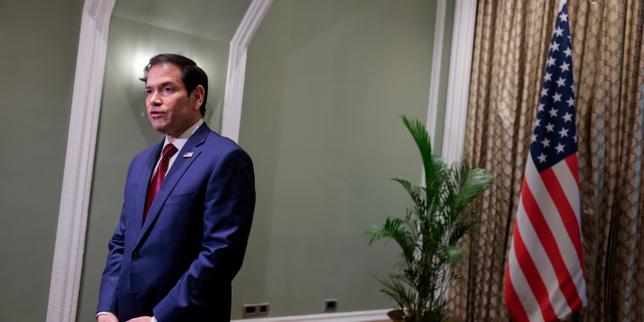
When a top American diplomat openly tells citizens of another nation to establish secret contact with an intelligence agency, diplomacy has left the building. US Secretary of State Marco Rubio didn't whisper it behind closed doors. He posted a public invitation urging Cubans dissatisfied with the island's communist government to forge a discreet partnership with the CIA.
It's an extraordinary escalation. Washington is dropping any remaining diplomatic pretense regarding Havana, shifting straight into aggressive regime-change mode. If you've watched US-Cuba relations over the decades, you know Rubio has personal skin in the game. As a son of Cuban immigrants who fled before the 1959 revolution, his entire political identity is built around destroying the current power structure in Havana. Now, from his perch as America's top diplomat, he's wielding the full weight of the federal apparatus to make it happen.
The Public Call for Covert Action
Rubio's message wasn't buried in a policy paper. It went straight to social media, targeting citizens fed up with endless economic crises, corruption, and systemic shortages. He told them flat out that now is the moment to act, pushing them toward a clandestine alliance with American intelligence.
Let's be honest about what this means. Openly acknowledging and recruiting local assets via public channels breaks standard intelligence protocol. Traditionally, spy agencies operate in deep shadows, maintaining plausible deniability. Rubio's direct appeal bypasses those shadows entirely, turning opposition politics inside Cuba into an explicit extension of American foreign policy.
This announcement didn't happen in a vacuum. It arrives alongside a brutal pressure campaign orchestrated by Washington. The White House has clamped a de facto energy blockade on the island, targeting fuel shipments and squeezing an already exhausted population of 9.4 million people.
Legal Warfare and Historical Grudges
The pressure isn't just economic. Legal mechanisms are being weaponized too. Florida prosecutors recently announced an arrest warrant for former Cuban president Raul Castro on state murder charges, building on earlier federal indictments tied to the 1996 downing of civilian aircraft operated by the group Brothers to the Rescue.
Castro is 95 years old. The symbolic weight of targeting the brother of Fidel Castro is massive. Critics in Havana call it a fabricated pretext for military aggression. But Washington's playbook is looking awfully familiar. It's the exact same script used against Venezuela's Nicolás Maduro before his regime collapsed under US pressure.
Cuban Foreign Minister Bruno Rodríguez didn't hesitate to fire back, pointing out that the island's coastline is ready for hostile approaches. Yet, rhetoric won't keep the lights on or fill empty grocery shelves. The Cuban economy is on life support, and Washington knows it.
What Happens Next on the Ground
Calling for a discreet partnership with the CIA sounds like a movie plot, but the risks for ordinary Cubans are terrifyingly real. Cuba's internal security apparatus is vast, well-trained, and ruthless at snuffing out domestic dissent or foreign intelligence infiltration. Anyone foolish enough to answer Rubio's call openly faces immediate imprisonment for treason or espionage.
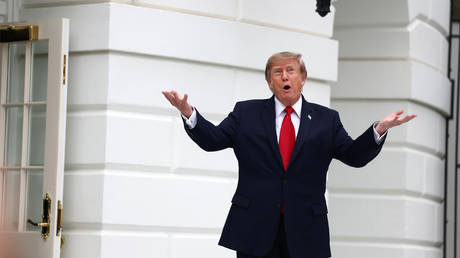
At the same time, Donald Trump has leaned heavily into the theater of the confrontation, joking at a Florida rally about sending warships right up to Cuba's coast before sending Rubio in to finalize a deal. It's bravado, sure. But combined with Rubio's recruitment drive, it signals that Washington smells blood in the water.
The strategy is simple and brutal. Starve the economy of fuel, pile on legal indictments against the aging leadership, and encourage internal rebellion through intelligence channels until the system fractures from within.
Don't expect Havana to roll over. Regimes backed into corners tend to double down on repression, not reform. Rubio is gambling that decades of economic misery have finally broken the public's fear. Whether that bet pays off or plunges the region into deeper chaos depends entirely on how much more pressure a broken island can take.