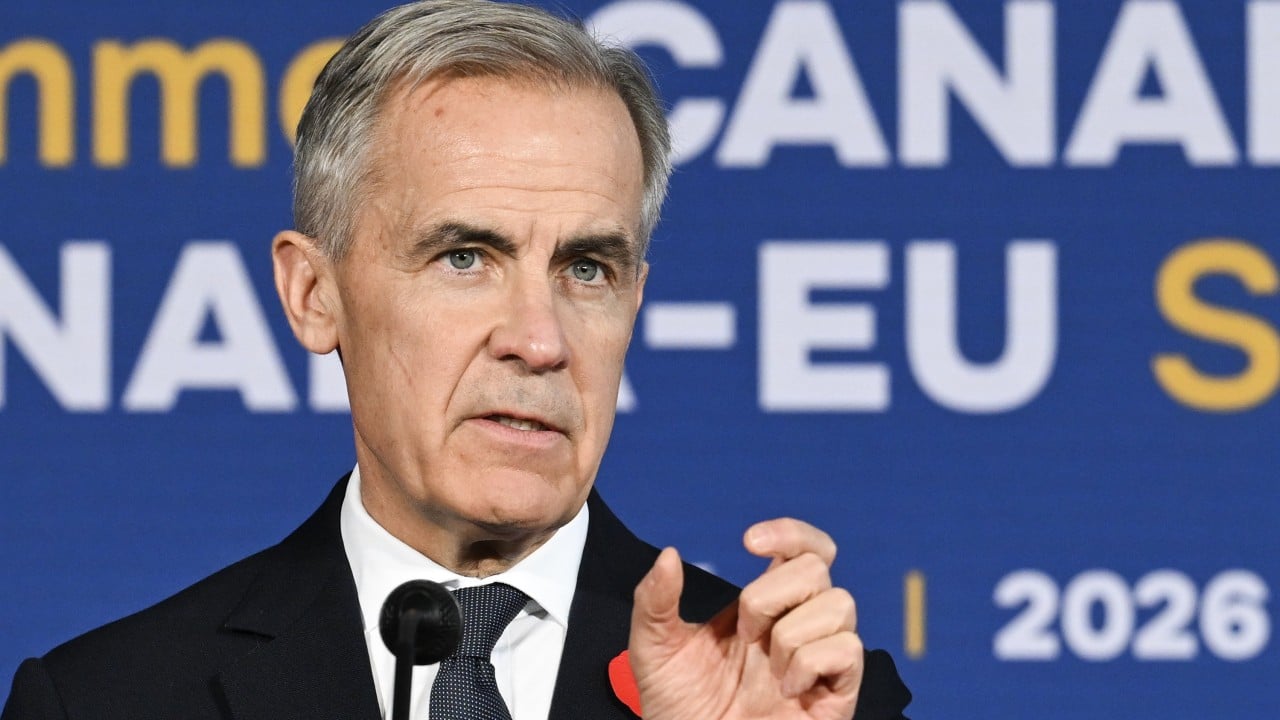
Canadian Prime Minister Mark Carney wants to rewrite the geopolitical playbook. Following the recent EU-Canada summit in Montreal, Carney announced intentions to lock down an unprecedented arrangement by June that would make Canada the European Union’s first-ever associate member. Forget standard trade pacts. This is a massive structural pivot designed to anchor middle powers closer together as traditional global alliances fracture.
If you think this is just another diplomatic photo op, look closer. European Commission President Ursula von der Leyen and European Council President Antonio Costa stood alongside Carney to champion a framework that bypasses geographic hurdles. They call it association without accession. But what does it actually mean for everyday citizens, and can Ottawa pull it off before the summer deadline?
The Real Intent Behind the June Target
When politicians throw around timelines like June, skepticism is warranted. Yet, the urgency driving Ottawa and Brussels isn't accidental. Global supply chains face constant weaponization, climate shocks disrupt economies, and democratic norms are under strain. Carney pointed directly to these systemic pressures during the Montreal summit.
Canada shares deep economic and cultural ties with Europe, but an associate membership goes way beyond the existing Comprehensive Economic and Trade Agreement (CETA). It aims to build a common space for resilient supply chains, green technology, critical minerals, and artificial intelligence development.
Critics in various European capitals—with Germany reportedly leading some of the pushback—are already bristling at the term "associate member" because it charts entirely uncharted territory. Geographic location has always been the baseline rule for the EU. Von der Leyen brushed that aside in Montreal, arguing that shared values matter far more than coordinates on a map.
What Associate Membership Actually Entails
You won't be seeing the Canadian dollar replaced by the euro anytime soon, nor will Canadian citizens suddenly be voting in European Parliament elections. Instead, the deal focuses on targeted, high-impact integration.
Think about mobility and education. Ottawa and Brussels pledged to work on expanding the Erasmus+ education exchange program. Carney specifically noted his goal: a Canadian student should be able to study in Barcelona just as easily as they can at a domestic university.
Other pillars of the proposed partnership include:
- Deepened defense and security cooperation to weather geopolitical shocks.
- Streamlined digital trade rules and joint artificial intelligence research.
- Preferential access to critical raw materials and energy markets.
It is an attempt to create a robust economic and security buffer. For Canada, diversifying beyond traditional dependencies is no longer optional.
The Hurdles Standing in the Way
Of course, getting from a handshake in Montreal to a signed agreement in June is an uphill battle. Skeptics point out that the recent joint declaration didn't explicitly enshrine the term "associate member", signaling that EU member states still need heavy convincing.
National sovereignty remains a flashpoint. Canada cannot accept a setup where foreign courts or EU laws override domestic legislation—a core requirement for full members within the European Economic Area. If Brussels and Ottawa manage to craft a hybrid model that respects national borders while offering deep integration, it could serve as a blueprint for other nations like Australia, New Zealand, or Japan.
Watch how negotiations unfold over the coming months. If Carney delivers in June, the transatlantic relationship will never look the same.