Trade wars rarely stay contained to balance sheets. When Prime Minister Mark Carney steps up to call out Washington's aggressive trade policies, he isn't just defending Canadian steelworkers or Ontario auto plants. He is highlighting a basic economic reality that politicians in Washington love to ignore: protectionist tariffs act as a direct tax on everyday American families.
Let's look at the numbers. Recent data shows that Canadian auto exports to the U.S. have dropped by more than ten percent, while U.S. exports north of the border have plunged over twenty percent. These aren't abstract figures on a spreadsheet. They represent factory layoffs, higher sticker prices on dealership lots, and squeezed profit margins for businesses on both sides of the border. When the U.S. imposes a fifty percent tariff on billions of dollars worth of Canadian goods, grocery stores, manufacturing hubs, and logistics firms don't absorb that hit out of charity. They pass it straight down to the consumer.
The Real Cost of Washington's Border Posturing
If you're wondering why trade negotiations collapsed in August after months of close calls, look no further than shifting political incentives. President Donald Trump has made no secret of wanting automotive manufacturing shifted entirely south of the border, threatening a deeply integrated supply chain that has operated smoothly for decades.
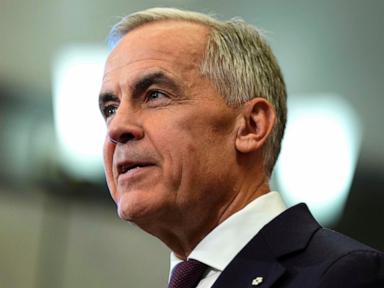
Carney put it bluntly during a joint press conference on Parliament Hill with Ontario Premier Doug Ford: U.S. tariffs have upended a decades-old bargain. They've raised costs for American households while casting a massive cloud of uncertainty over workers and businesses.
At the same time, the diplomatic fallout has turned messy. The U.S. Embassy recently dropped a fact sheet accusing Canadian politicians of meddling in American politics. Washington pointed fingers at Industry Minister Mélanie Joly for discussing retaliatory tariffs targeted specifically at Republican-held states, and at Premier Ford for airing an advertisement featuring Ronald Reagan criticizing tariffs.
Political scientists have called these accusations absurd, noting that public policy debates in a neighboring democracy don't constitute foreign election interference. But the distraction serves a clear purpose. It shifts the media spotlight away from the economic pain these tariffs are inflicting on domestic consumers.
Fighting Back with Billions
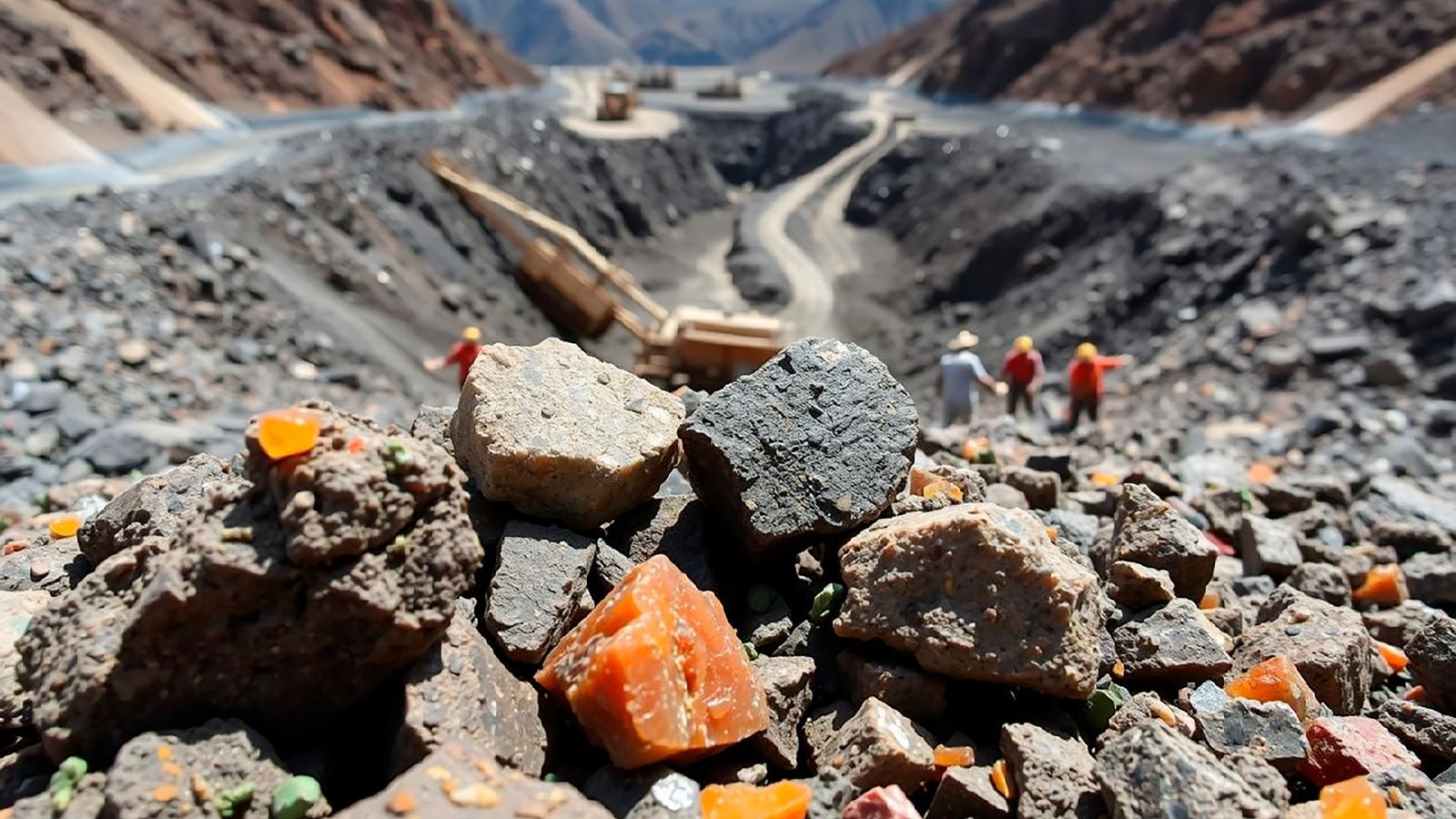
Canada isn't just sitting back and hoping for a breakthrough. Ottawa and the Ontario provincial government just unveiled an 8.7 billion Canadian dollar package designed to insulate their manufacturing heartland. This includes massive funding commitments for steelmakers, critical mineral development, and infrastructure projects like roads leading to northern Ontario's rich Ring of Fire mineral deposits.
These critical minerals are essential components for American defense contractors, battery manufacturers, and auto assemblers. By trying to pressure Canadian industries, Washington is shooting its own tech and manufacturing sectors in the foot.
Premier Ford made it clear that bilateral relations have shifted permanently. No matter who sits in the White House or which party controls Congress after the midterms, Canadian leaders are working on the assumption that the old trade paradigm is gone for good. Carney has set a firm policy goal of doubling Canadian exports to other global markets over the next decade, reducing reliance on an increasingly unpredictable southern neighbor.
What This Means for You
If you run a business or manage a supply chain, you can't afford to treat these trade disputes as temporary noise.
- Diversify your supplier base away from single-country dependencies immediately.
- Factor tariff volatility into your long-term pricing models to protect margins.
- Monitor upcoming legislative reviews of North American trade frameworks to anticipate sudden cost shifts.
Trade barriers create temporary political theater, but they deliver permanent economic friction. Pretending otherwise only delays the inevitable adjustment to a fractured global market.