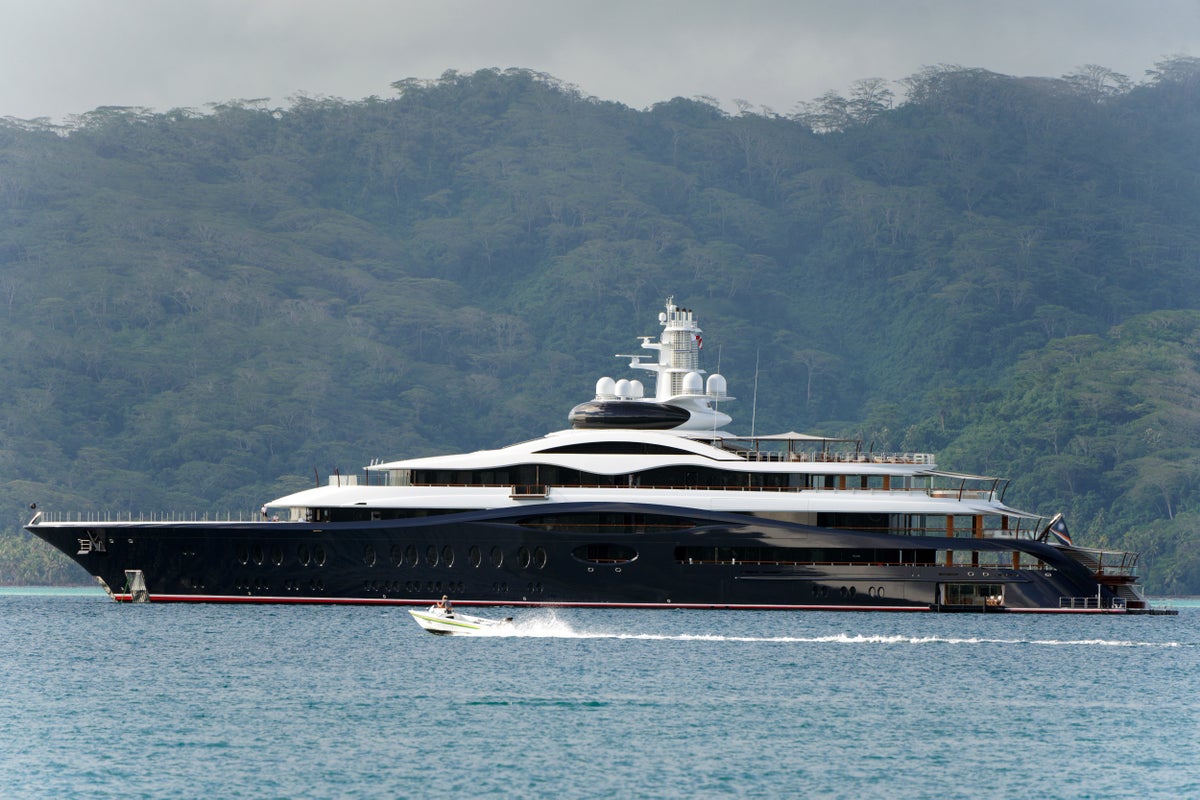
A 21-foot skiff ran out of fuel in the icy waters between Petersburg and Juneau, and the internet immediately found a new way to be furious at Mark Zuckerberg.
The story blew up after passengers on a small cruise ship called the Wilderness Legacy learned that Zuckerberg's massive $300 million superyacht, the Launchpad, was sitting much closer to the stranded boat. According to accounts shared online by passengers, the captain announced over the loudspeaker that the Coast Guard had tried to radio the tech billionaire's floating palace for help, but received zero response. The announcement earned an immediate round of loud boos from the crowd.
Naturally, public outrage followed fast. People love a villain, and a 387-foot luxury vessel ignoring a stranded local fits every modern billionaire trope. But the reality of what happened on the water involves radio channels, maritime technicalities, and a very convenient absence.
What Actually Happened That Night
Let's look at the timeline. Around 9:30 p.m., the small skiff found itself dead in the water with an empty fuel tank. The U.S. Coast Guard evaluated the situation and determined it wasn't a dire emergency or a life-or-death sinking. Instead, they classified it as a routine request for a maritime assist and put out a general call over the radio.
The Wilderness Legacy, a cruise ship operated by UnCruise Adventures, heard the broadcast, detoured around Zuckerberg's stationary yacht, towed the skiff safely into Farragut Bay, and even handed over some extra fuel.
Meanwhile, the Launchpad stayed put.
Did the crew intentionally snub a sailor in need? A spokesperson for Zuckerberg stepped in to clear the air, stating that the Meta CEO and his family weren't even on board at the time. More importantly, the yacht's crew claimed they were monitoring a completely different radio channel and simply missed the initial Coast Guard broadcast. By the time they checked the logs and realized what was happening, the cruise ship had already taken care of the tow.
The Real Rules of the Sea
People online were quick to scream about maritime law and the legal obligation of ships to render aid. It is true that under maritime traditions, vessels are expected to help those in distress.
However, context matters.
- The Coast Guard explicitly noted the skiff wasn't sinking or in immediate danger.
- Radio channel fragmentation on large vessels is common. Crews manage multiple systems, and mistakes happen.
- Billionaires don't steer their own mega yachts. The blame, if any exists, falls squarely on professional crew members doing shift work.
It makes for a fantastic headline, but attributing a localized fuel shortage to a deliberate corporate boycott by a tech mogul is a stretch.
Why Everyone Wants to Be Mad
Let's be honest. This story resonated because we are tired of extreme wealth sitting quietly in our harbors. When a massive floating mansion towers over coastal Alaskan towns, locals are bound to notice. When that same yacht appears to sit idle while a working skiff needs a tow, it taps right into existing frustrations about income inequality and corporate detachment.
Zuckerberg's team handled the PR fallout with a standard, clean statement. Everyone is safe, the skiff made it to port, and the internet moves on to the next outrage cycle.
Next time you see a viral maritime scandal, check the radio frequencies before you grab your pitchfork.


